President bassirou diomaye faye establishes new senegalese political party
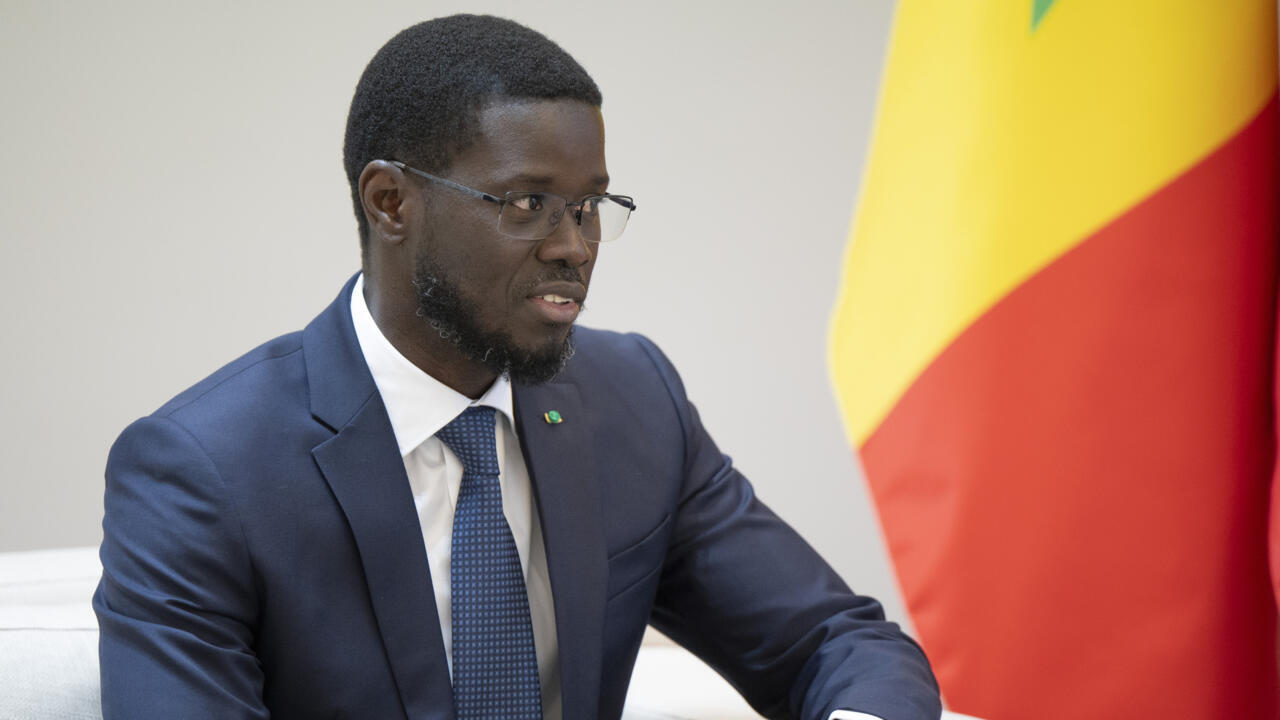
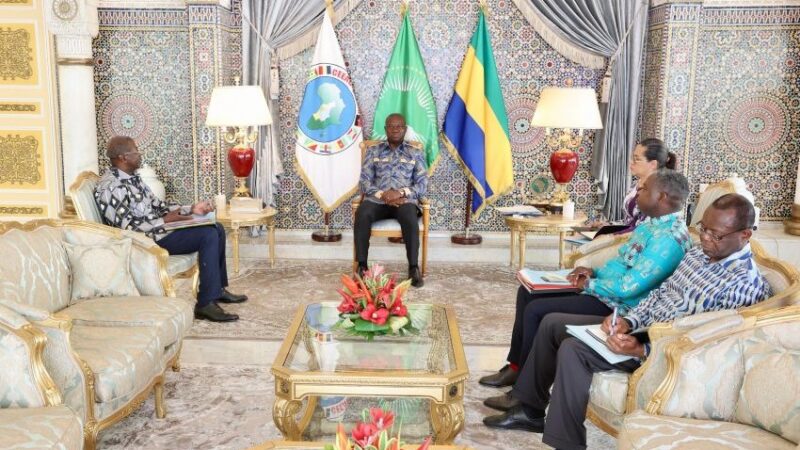
President Bassirou Diomaye Faye of Senegal has declared his intention to establish a new political party, a significant move signaling a formal separation from Ousmane Sonko and the Pastef party. The announcement, made at the Presidential Palace before an assembly of over 300 mayors, underscores a pivotal moment in Senegalese politics. This development follows a period where the Pastef movement propelled Faye from incarceration to the nation’s highest office. Simultaneously, a legislative reform is currently under consideration by deputies that could potentially bar a sitting president from leading a political organization. This raises crucial questions about President Faye’s quest for political independence: Is he truly forging his own path, or does this decision represent a departure from the political origins that enabled his ascent? The implications of this high-stakes political maneuvering for Senegal’s future governance and stability remain to be seen.
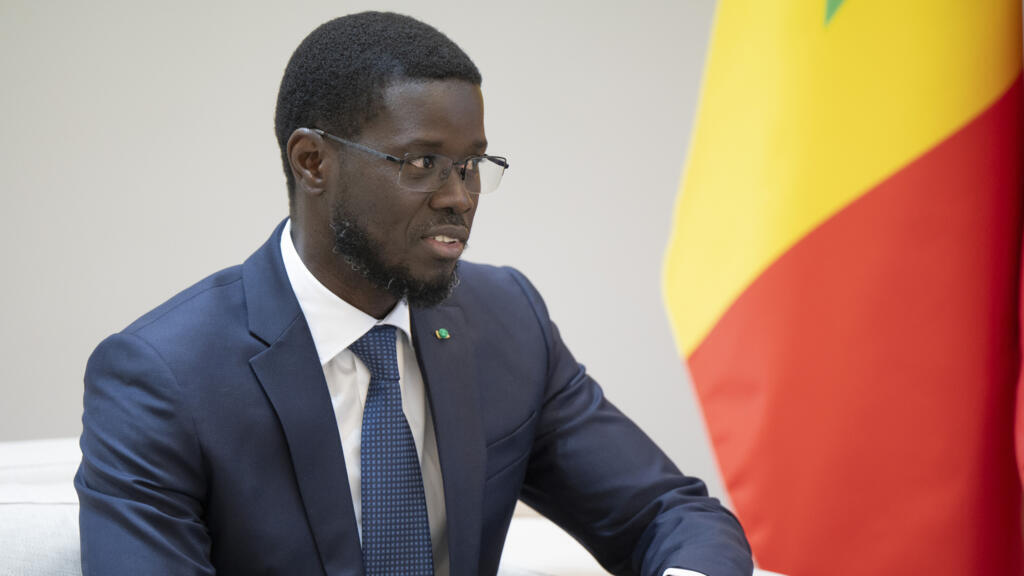
This bold announcement by President Bassirou Diomaye Faye marks a critical juncture for governance in Africa, particularly within Senegal’s political landscape. The decision to form his own party signifies a clear break from Ousmane Sonko, his mentor and the influential leader of the now-dissolved Pastef party. It was Pastef’s formidable political machinery and popular support that championed Faye’s candidacy, leading to his unexpected victory after being released from prison just weeks before the election.
The timing of this announcement is particularly intriguing given the ongoing legislative efforts by Senegalese deputies. These lawmakers are deliberating on a significant reform that, if passed, would prohibit a sitting head of state from concurrently leading a political formation. Such a law could directly challenge President Faye’s ambitions, potentially forcing him to choose between his presidential mandate and the leadership of his nascent party.
Observers of African politics are now keenly watching to understand the true motivations behind Faye’s move. Is this an assertion of genuine political independence, a strategic maneuver to consolidate power, or a perceived betrayal of the foundational movement that brought him to power? The relationship between Faye and Sonko has been a cornerstone of Senegal’s recent political narrative, and this formal split introduces an unprecedented dynamic. The outcome of this high-stakes political contest at the apex of the state will undoubtedly shape the future of independent African journalism and the trajectory of society in Senegal, with potential ripple effects across West Africa.
The question of who will emerge victorious from this power struggle, and at what cost to the nation, remains central to public discourse. Senegal, known for its vibrant democracy, is now navigating a complex phase where personal political ambitions intersect with institutional reforms, setting a precedent for future governance Africa.