Political funds in Senegal: from abdou diouf’s era to ousmane sonko’s controversy
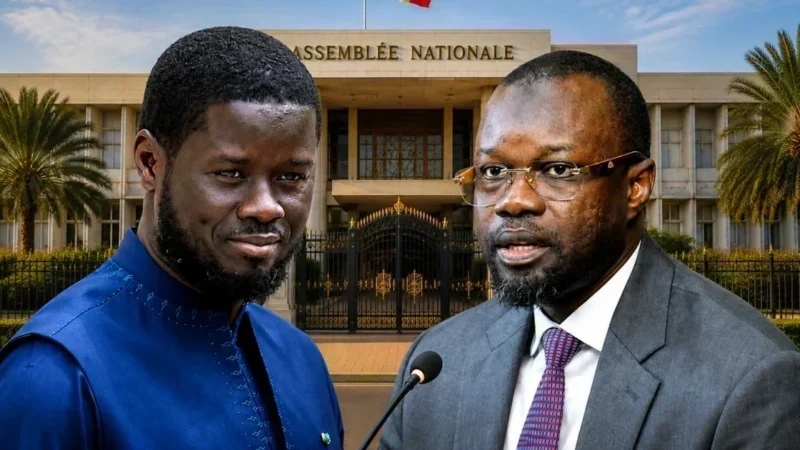
The controversy surrounding Senegal’s political funds has ignited fierce debates across television studios, social media platforms, and political circles. As the National Assembly convenes in an extraordinary session to review laws on special funds, asset declarations, and labor codes, a fundamental question emerges: who accessed these discretionary envelopes before Ousmane Sonko, and how were they utilized?
Who really benefited from Senegal’s political funds before Sonko?
Former Interior Minister Aly Ngouille Ndiaye sparked the debate by claiming Ousmane Sonko was the first Senegalese Prime Minister to receive dedicated political funds. During a televised interview, he asserted that predecessors like Boun Abdallah Dionne never had such resources, and even directors of presidential cabinets received monthly allocations long before Sonko’s tenure. His remarks, echoing claims by other officials, have fueled demands for transparency in how these funds were managed.
Contradictory testimonies challenge Sonko’s version
Videos of former Prime Minister Souleymane Ndéné Ndiaye surfaced online, revealing he had access to political funds even as Director of the Presidential Cabinet under Abdoulaye Wade. Macky Sall and Idrissa Seck, both former heads of government, have also been cited in past interviews acknowledging the existence of such funds. Social media users further highlighted Abdoulaye Wade’s alleged practice of redirecting presidential discretionary funds to support Prime Ministers’ expenses.
Pastef dismisses allegations as baseless
The government-aligned camp, including SOGEPA SN’s director Elimane Pouye, countered these claims by calling them “gratuitous accusations.” He argued that budget variations for the Prime Minister’s office between 2023 and 2025 were due to institutional changes, not new allocations. Pastef has long advocated for reforming these funds, with their 2019 electoral program demanding stricter oversight—well before Sonko’s appointment in 2024.
Historical records reveal a pattern of opacity
Parliamentary reports indicate a dramatic rise in these funds: from 650 million FCFA under Abdou Diouf to nearly 8 billion under Abdoulaye Wade. A 2008–2012 audit uncovered 108 billion FCFA spent without proper accounting, leaving 48 billion unregularized. The National Local Development Program (PNDL), a 100 billion FCFA fund under the Prime Minister’s office, became infamous after Idrissa Seck faced inquiries over alleged mismanagement and illicit enrichment—including investigations into two properties in Saly and Atlanta.
Calls for legal oversight and accountability
Deputy Guy Marius Sagna revealed he proposed a law in September 2025 to create a commission to audit political funds, only to be asked to delay it by Ousmane Sonko, who preferred a government-led reform. Meanwhile, Deputy Thierno Alassane Sall condemned these funds as “theft,” insisting no parliamentary vote authorized them. Others, like El Hadj Momar Samb of the RTA-S, accused the majority of opportunism, noting many now in power had never pushed for transparency while in office.
Government stance: regulation, not elimination
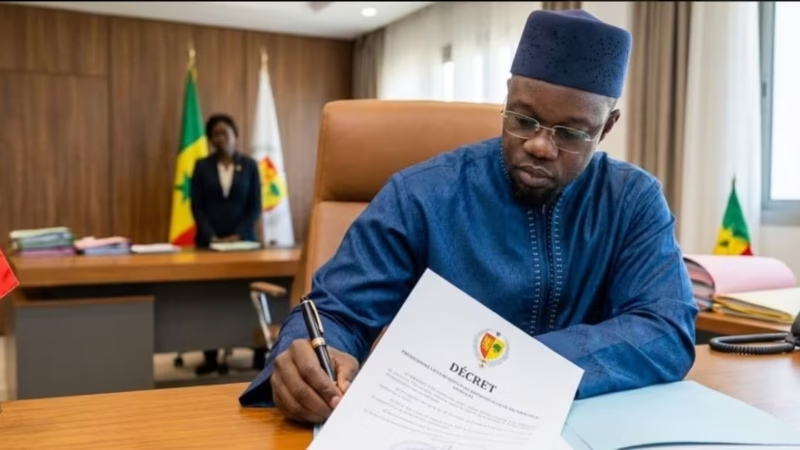
President Bassirou Diomaye Faye and Ousmane Sonko have both ruled out abolishing these funds, citing their role in intelligence and social solidarity. Yet, the National Assembly’s current session includes a bill to regulate special funds and secret credits, alongside constitutional amendments on asset declarations—a move reflecting the ongoing tension between institutional tradition and demands for accountability.