Gabon: civil society leader calls for accountability over verbal abuses by activists
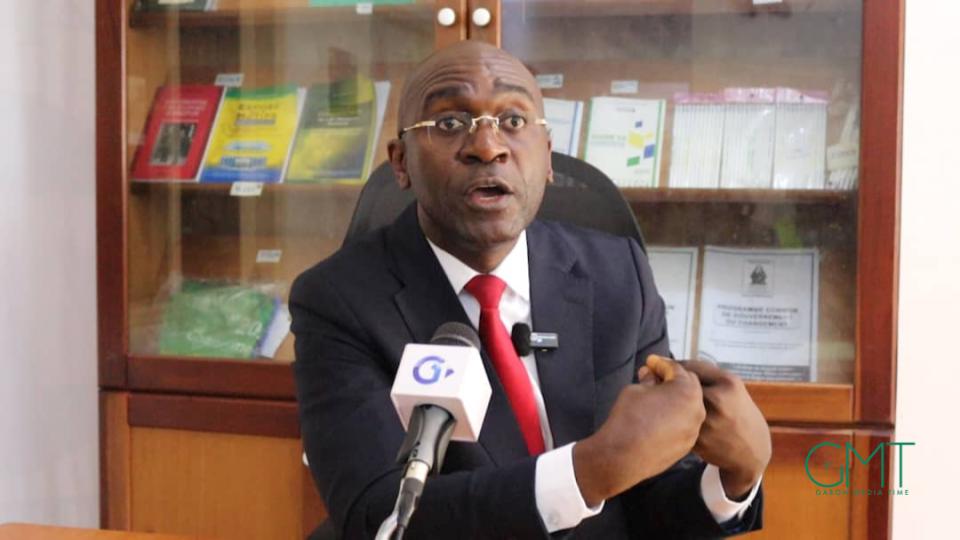
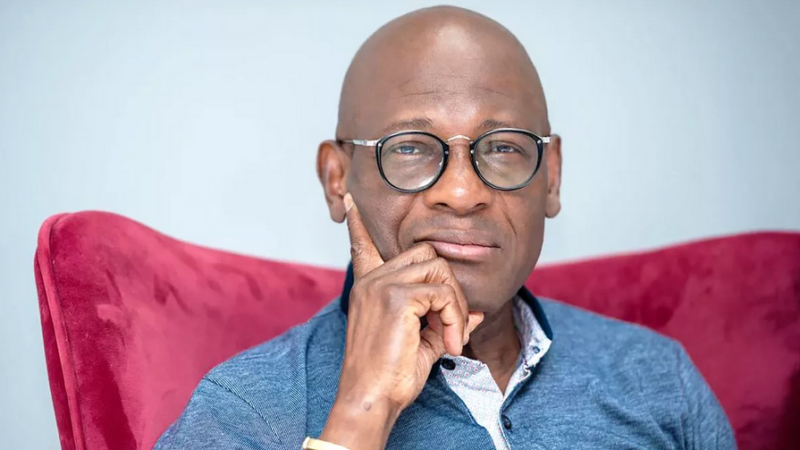
In a bold stance against escalating verbal attacks by certain Gabonese activists abroad, civil society leader Geoffroy Foumboula Libeka Makosso has drawn a clear line between freedom of expression and harmful rhetoric. Speaking at a press conference in Libreville, he condemned recent insults targeting President Brice Clotaire Oligui Nguema, his wife, and mother, while also urging authorities to address the ties between some activists and the government.
Public debate in Gabon can be intense, but it must never cross into personal attacks, Foumboula argued. He specifically called out an activist known as Lanlaire, whose recent remarks he deemed a breach of acceptable discourse by shifting criticism from policies to personal insults against the head of state and his family.
Freedom of expression has limits
Foumboula emphasized that civic engagement should never be reduced to insults or defamation. Reflecting on his own activism, he stressed that constructive advocacy—including legal action when necessary—remains the proper path. “Disagreement does not justify insults,” he stated, reinforcing the idea that while political opposition is vital, it must never devolve into personal attacks.
He went further, asserting that Gabon’s constitutional order depends on upholding the rule of law. While the transition period may have encouraged reconciliation with some exiled activists, he warned that this should not be misinterpreted as a license for unchecked verbal abuse. “Insults, defamation, and contempt are crimes, not expressions of free speech,” Foumboula declared, urging judicial action against those who cross the line.
Questioning the government’s ties with radical activists
Foumboula did not stop at criticizing the activists themselves. He also questioned the government’s reported interactions with certain diaspora figures known for their extreme rhetoric against authorities. He cited instances where activists were allegedly invited to Gabon, featured in state media, or even approached during official presidential visits—claims that call for verification.
Among the most explosive allegations was the claim that one activist received €150,000 (nearly 100 million FCFA) from a member of the presidential delegation in exchange for verbal attacks on the president. Foumboula presented this as an unverified account, not a proven fact.
Ending unchecked proximity between power and activists
The civil society leader called on the presidency and state institutions to distance themselves from activists whose only “credentials” are insults and defamation. “The President and his team must end this unhealthy closeness,” he insisted, warning that such ties risk normalizing outrage as a tool for visibility—or even access to power. Without legal consequences, he argued, activists may believe impunity is guaranteed, further eroding public trust in institutions.
Legal action, not public condemnation, is needed
Foumboula urged judicial authorities to pursue legal action against those responsible for verbal abuses, stressing that public condemnation alone is insufficient. Failure to act, he warned, could create the perception that certain activists operate with protection, undermining the integrity of Gabon’s public discourse.
He also addressed Gabonese internet users, urging them to combat the spread of harmful content by unfollowing, avoiding sharing, and reporting abusive accounts on social platforms. While freedom of expression is a cornerstone of democracy, he concluded, it must never become a vehicle for personal humiliation—criticism is part of democracy, but legal accountability is the domain of the courts.