Wednesday, November 4
What Embaló’s second-term bid means for Guinea-Bissau’s people and economy
Uncategorized

What Embaló’s second-term bid means for Guinea-Bissau’s people and economy

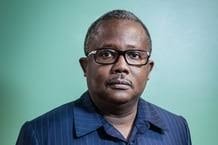
The political uncertainty that had gripped Bissau for months has finally lifted. President Umaro Sissoco Embaló has formally declared his intention to seek a second term, ending speculation that had left the nation's institutions, markets, and international partners in limbo. The announcement reshapes the country's immediate future — and its consequences will be felt far beyond the presidential palace. Why the decision matters for ordinary citizens For the nearly two million residents of Guinea-Bissau, the prolonged ambiguity over whether the incumbent would run again had real-world effects. Businesses deferred investment decisions. Civil servants awaited signals on budget priorities. Opposition parties struggled to plan campaigns without knowing the full electoral landscape. Embaló's co...
What Embaló’s second-term bid means for Guinea-Bissau’s people and economy
Uncategorized

What Embaló’s second-term bid means for Guinea-Bissau’s people and economy

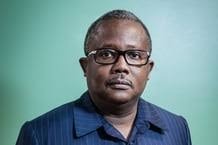
The political uncertainty that had gripped Bissau for months has finally lifted. President Umaro Sissoco Embaló has formally declared his intention to seek a second term, ending speculation that had left the nation's institutions, markets, and international partners in limbo. The announcement reshapes the country's immediate future — and its consequences will be felt far beyond the presidential palace. Why the decision matters for ordinary citizens For the nearly two million residents of Guinea-Bissau, the prolonged ambiguity over whether the incumbent would run again had real-world effects. Businesses deferred investment decisions. Civil servants awaited signals on budget priorities. Opposition parties struggled to plan campaigns without knowing the full electoral landscape. Embaló's co...
27 dead in Johannesburg and Cape Town shootings: the human and economic toll tearing South Africa apart
Top Stories

27 dead in Johannesburg and Cape Town shootings: the human and economic toll tearing South Africa apart

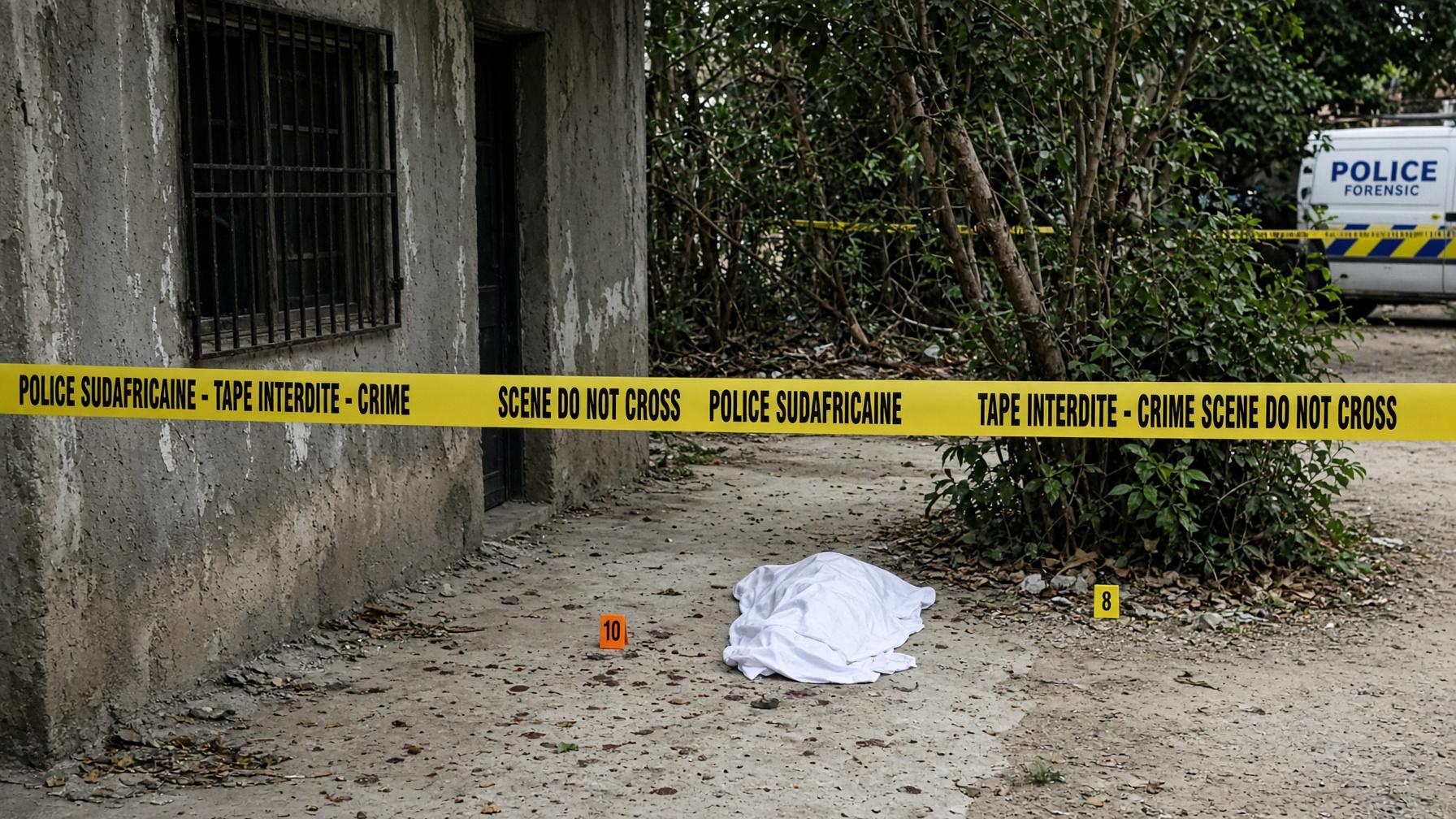
The human cost of South Africa's gun violence crisis has rarely been laid bare so starkly. At least 27 people were killed in two separate shooting attacks in Johannesburg and the Cape Town area, leaving families shattered, communities gripped by fear, and a nation once again forced to confront the consequences of its spiraling armed violence. Within a matter of hours, two armed assaults of extreme brutality claimed at least 27 lives and left several others seriously wounded in Johannesburg, the country's economic powerhouse, and in Cape Town, its premier tourist destination. The impact reaches far beyond the immediate victims: businesses in affected areas brace for disruption, workers fear for their daily commutes, and local economies already strained by crime absorb yet another blow. Wh...
Faso Armored’s phantom armored vehicles: how a state fabrication puts Burkinabè lives and livelihoods on the line
News

Faso Armored’s phantom armored vehicles: how a state fabrication puts Burkinabè lives and livelihoods on the line

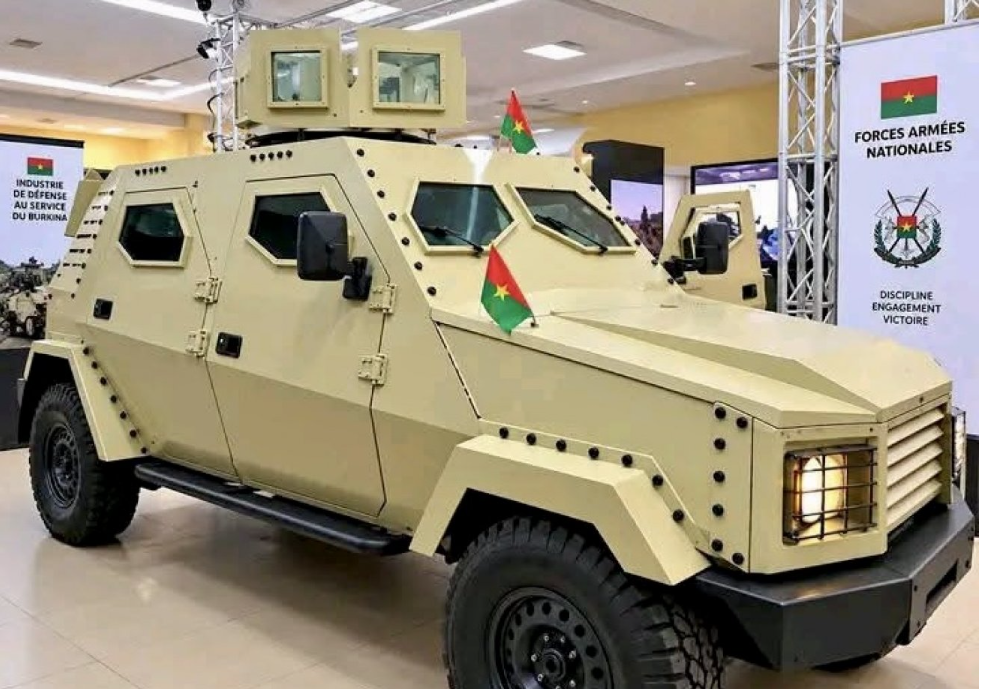
The much-trumpeted claim by Ibrahim Traoré that nearly 300 armored vehicles have rolled out of Burkinabè workshops since November 2025 is not an industrial breakthrough — it is a political smokescreen. Its real-world consequences are already being felt: soldiers and volunteers sent into battle in hastily reinforced pick-ups, public money diverted from actual security needs, and a citizenry asked to believe in a sovereignty that exists only on television screens. The theater of a defense industry that never was On September 21, 2026, during a meeting with the winners of the Hakili Mousso women's science competition, Captain Ibrahim Traoré declared that close to 300 armored vehicles had been manufactured locally for the Defense and Security Forces (FDS) and the Volunteers for the Defense of...
Ivory Coast’s refusal of US deportee deal: the real-world costs for citizens, businesses and regional stability
Politics

Ivory Coast’s refusal of US deportee deal: the real-world costs for citizens, businesses and regional stability

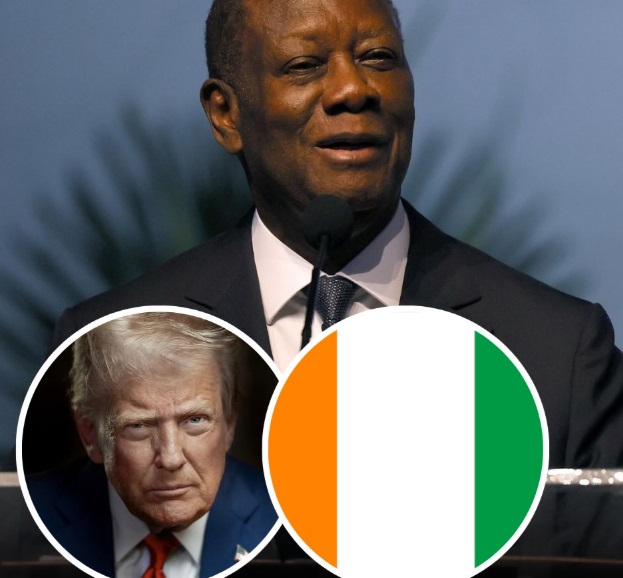
Ivory Coast has turned down a US proposal to accept people deported from the United States who are not necessarily Ivorian nationals. The decision carries tangible consequences for households, local economies and the country's international standing, as Washington expands its third-country removal policy. In mid-June 2026, a US State Department official travelled to Abidjan as part of a diplomatic tour across West and Central Africa. Christian Ehrhardt, who heads the State Department's Office of Remigration, was seeking to persuade several African governments to take in people expelled from the United States even when those individuals are not citizens of the receiving countries. The talks in Abidjan did not produce an agreement. Ivorian authorities declined the US request. What the US thi...
China market access for Benin’s AEO firms: the real economic ripple effects
News

China market access for Benin’s AEO firms: the real economic ripple effects

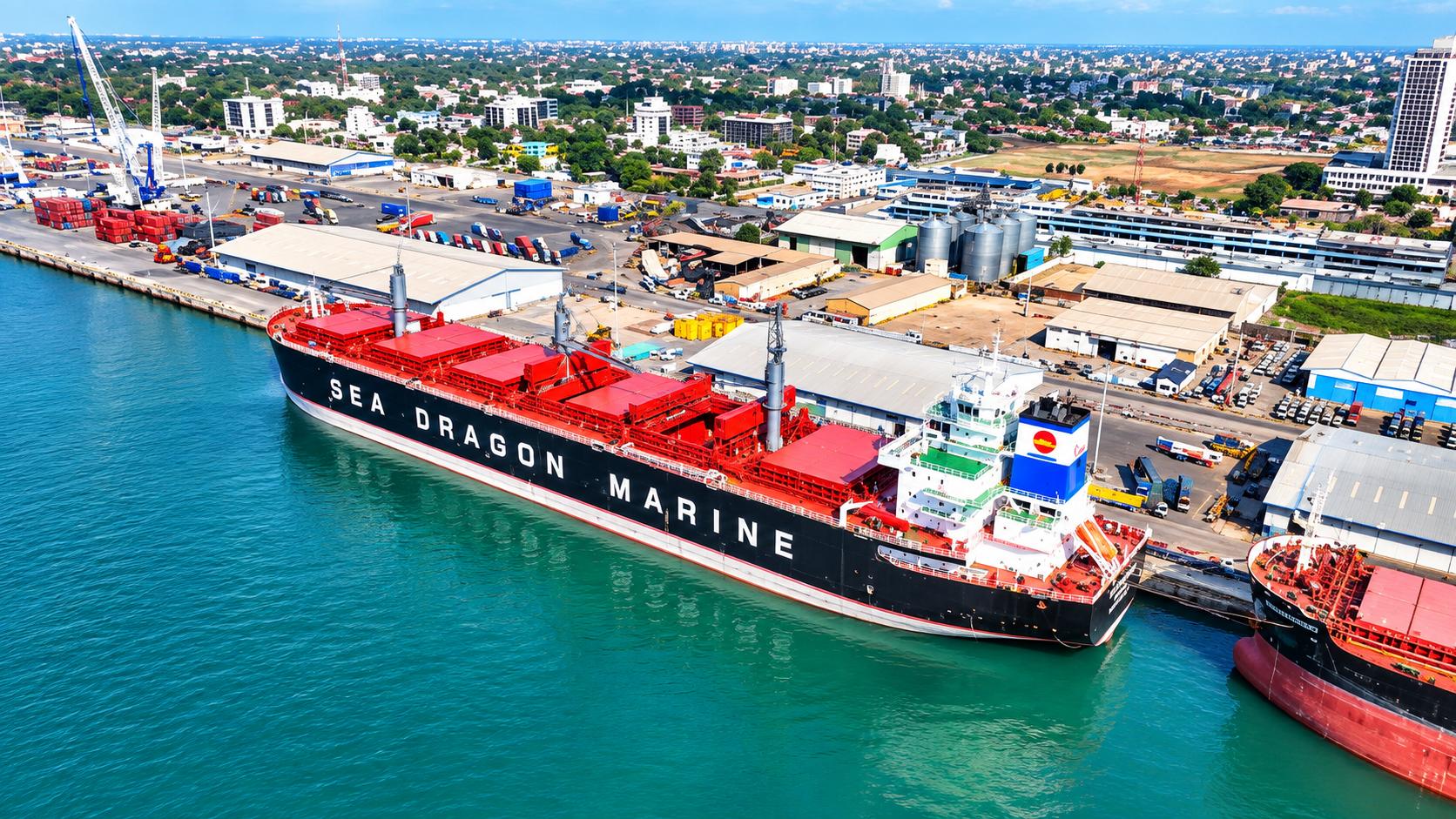
The implementation of the mutual recognition agreement for the Authorized Economic Operator (AEO) program between Benin and China is not just a diplomatic milestone. It is a concrete shift that affects the daily operations of Beninese businesses, the cost of their goods, and the country's broader economic trajectory. For certified companies, the door to the Chinese market now opens with fewer obstacles, but the consequences extend far beyond the customs office. What the AEO certification actually changes for local exporters The AEO status, granted by Benin Customs to companies that meet strict criteria on tax compliance, financial solvency, and supply chain security, has become a valuable asset. With the mutual recognition signed with Chinese customs authorities, shipments from Beninese A...
Northern Niger: how water and power failures are reshaping lives and livelihoods
News

Northern Niger: how water and power failures are reshaping lives and livelihoods

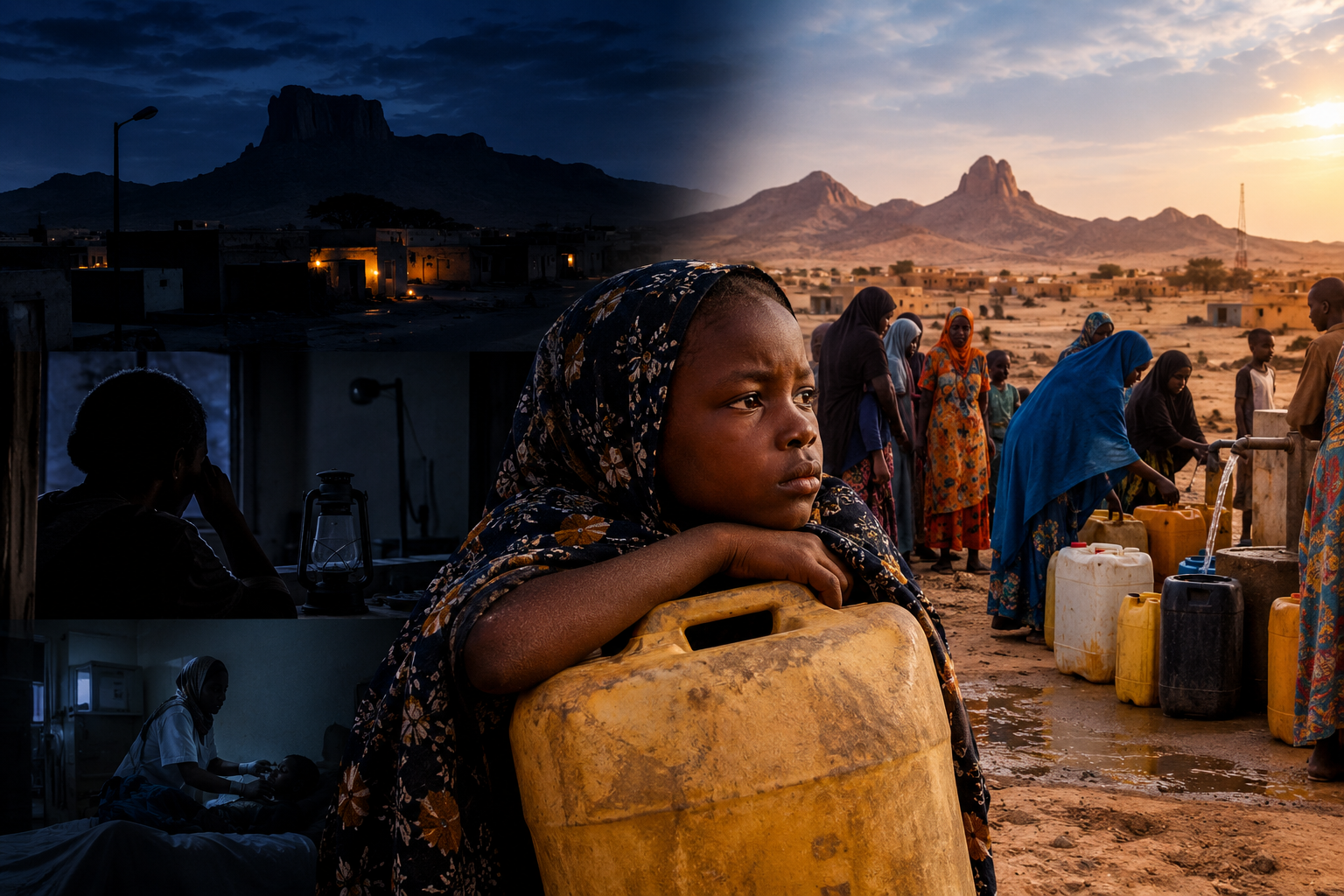
A daily struggle for survival in Niger's northern regionsIn the northern reaches of Niger, the lived experience of citizens extends far beyond official statements or announcements of new energy capacities. Across multiple localities, residents have been grappling with two fundamental necessities water and electricity for the past two months. The impact on daily life, public health, and economic activity is profound and increasingly difficult to ignore.Agadez, Arlit, and Tchirozérine: communities living in the darkThe energy situation in the Agadez region has remained particularly strained for several months. Agadez, Arlit, and Tchirozérine have all faced repeated disruptions to their electricity supply. In May, regional authorities acknowledged the existence of disruptions in both electric...
Air Sénégal smuggling probe: the real cost for passengers, workers and the economy
News

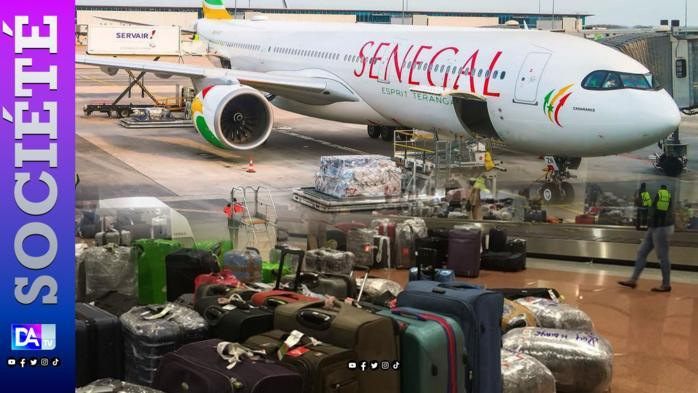
Air Sénégal smuggling probe: the real cost for passengers, workers and the economy

An investigation extending far beyond internal disciplinary matters is shaking Air Sénégal. On 28 September 2026, L'Observateur reported that the national carrier is the subject of inquiries into an alleged goods trafficking operation involving certain members of its cabin crew, including flight attendants and stewards. The consequences could be far-reaching, affecting passengers, employees, and the airline's role in the national economy. According to information gathered by the newspaper, employees allegedly transported goods for remuneration on behalf of a company established in France. Investigators are working to clarify how this suspected network operated, identify those involved, and determine the full scope of the operations. Among the items mentioned are car bumpers, oversized lug...
Senegal’s 2026 budget: the real-world fallout of a Sonko-Diomaye Faye deadlock
Politics

Senegal’s 2026 budget: the real-world fallout of a Sonko-Diomaye Faye deadlock

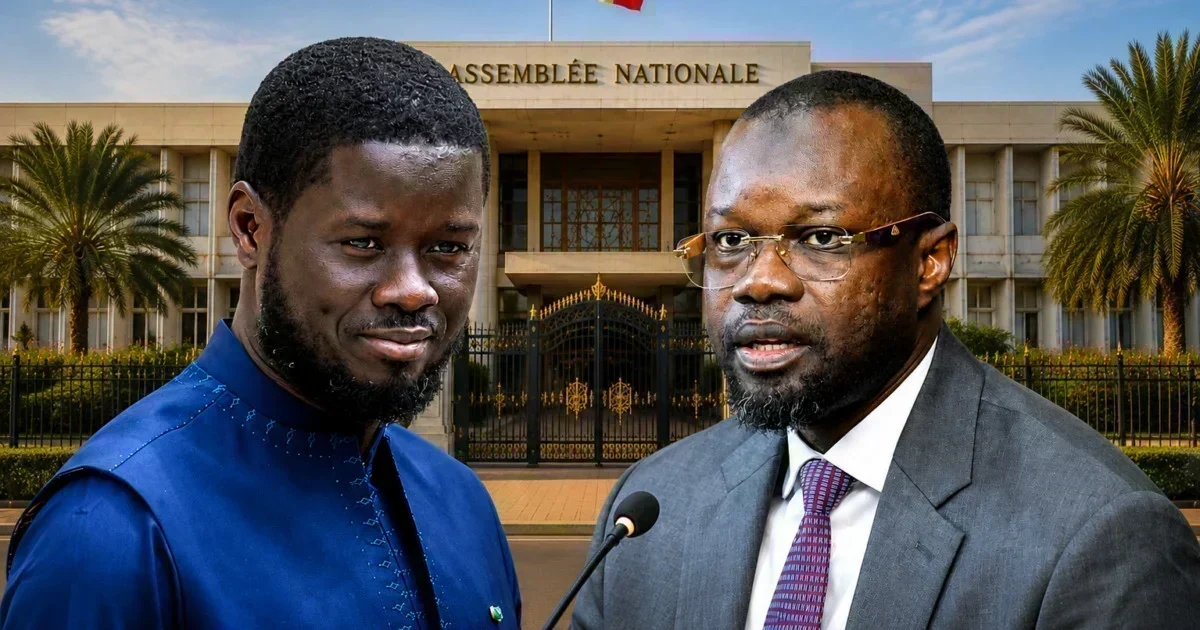
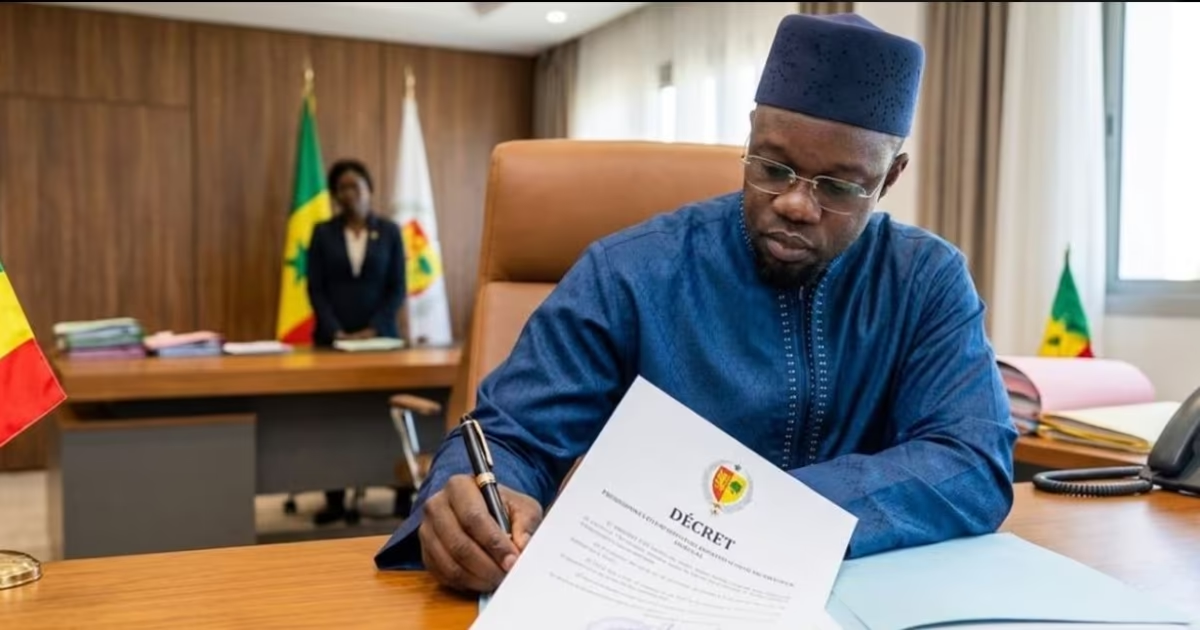
Senegal's 2026 budget: the real-world fallout of a Sonko-Diomaye Faye deadlockThe 2026 supplementary finance bill is more than a parliamentary tussle: if it stalls, the fallout will hit households, businesses, and the country’s creditworthiness. As Assembly speaker, Ousmane Sonko holds the levers to delay, reshape, or kill the text—and the consequences will be felt far beyond the chamber.Bassirou Diomaye Faye is confident that the Pastef majority will approve the 2026 supplementary finance law. But at the National Assembly, Ousmane Sonko has real tools to slow, reshape, or even bring down the bill. The key is to understand what the Constitution allows each side to do—and at what cost.The head of state has little doubt about the outcome. For Bassirou Diomaye Faye, Ousmane Sonko—speaker of t...
Senegal’s December 2, 2026: What an assembly dissolution would cost you
Politics

Senegal’s December 2, 2026: What an assembly dissolution would cost you

Senegal's December 2, 2026: What an assembly dissolution would cost you On December 2, 2026, Senegal's president will gain the power to dissolve the National Assembly—a move that could trigger a costly snap election and disrupt the political landscape for citizens and businesses alike. In just over two months, the president of Senegal will possess a constitutional weapon that has been off-limits until now: the dissolution of the National Assembly. With a parliament controlled by Pastef and an executive now backed by its own party, the country is approaching a pivotal date. This analysis breaks down the timeline, the options on the table, their financial implications, and what each side stands to gain or lose. The date is no coincidence. Article 87 of the Constitution allows the head o...
Senegal’s 2026 budget revision: how the 555 billion FCFA investment cut will hit households, jobs and local businesses
News

Senegal’s 2026 budget revision: how the 555 billion FCFA investment cut will hit households, jobs and local businesses

The revised 2026 finance bill sent to Senegal's National Assembly on 18 September 2026 is not just a technical adjustment in Dakar's budget books — it is a decision with immediate consequences for households, workers and businesses across the country. Growth projections have been cut from 5% to 2.7%, exposing the gap between earlier ambitions and the reality of resource mobilisation. With revenues falling short by 451.4 billion FCFA, the government has chosen to preserve day-to-day operations by slashing 555 billion FCFA from investment spending. In a column signed by Lansana Gagny Sakho, president of the Circle of Public Administrators and chairman of the board of APIX-SA, the verdict is blunt: a country cannot sustainably redistribute wealth it does not produce. What the revised budget m...