Just four days following his departure from the Prime Minister’s office, Ousmane Sonko has been elected to the esteemed position of President of Senegal’s National Assembly. In his inaugural address, Sonko wasted no time in articulating his vision, declaring unequivocally, “The National Assembly will not be a mere rubber stamp.” The former Prime Minister underscored his steadfast commitment to exercising rigorous oversight over government actions, while simultaneously emphasizing the crucial need to uphold institutional stability.
This significant transition prompts critical questions: What are the true powers vested in Ousmane Sonko’s new role? And how will this unprecedented cohabitation at the apex of Senegalese governance unfold?
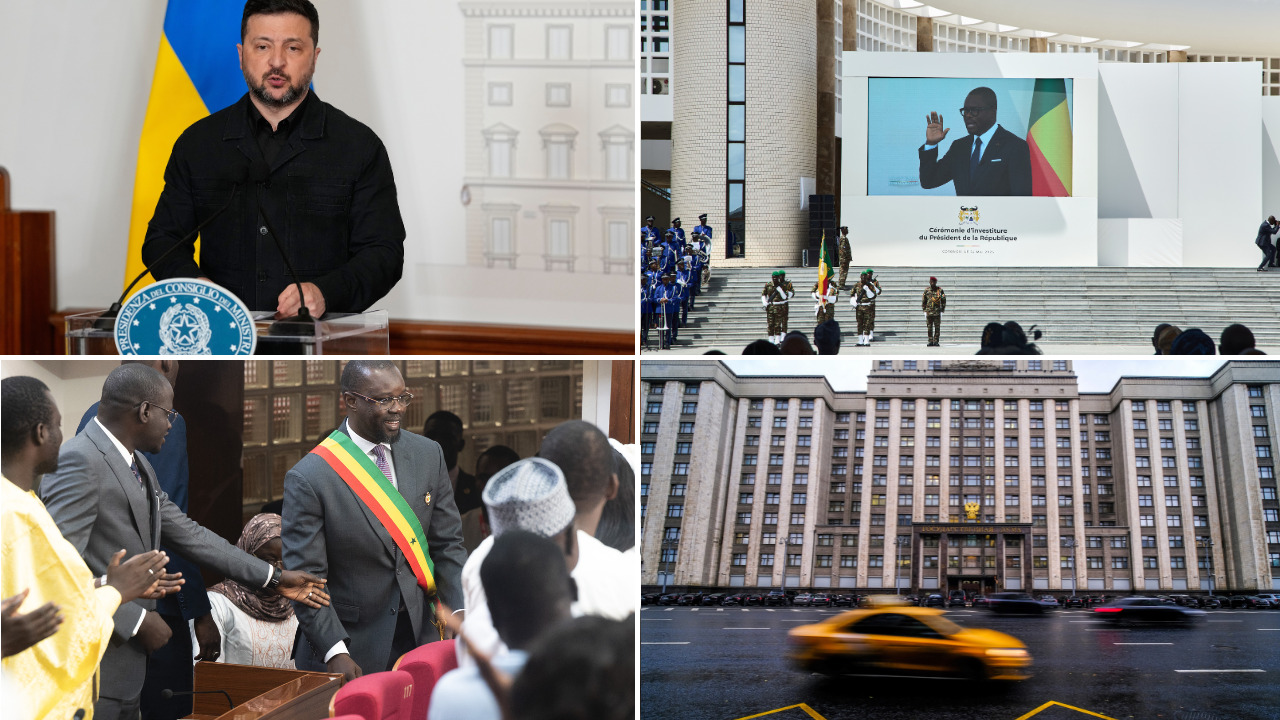
Senegal’s National Assembly: a new sphere of influence for Sonko
Ousmane Sonko’s ascension to the leadership of the National Assembly marks a definitive turning point in his distinguished political career. This new office positions him strategically at the very heart of Senegalese institutions. How does this role diverge from his previous tenure as Prime Minister? What specific prerogatives empower him to shape national decisions?
Now serving as President of the Assembly, Sonko commands enhanced parliamentary control. He possesses the authority to scrutinize the government, introduce legislative proposals, and significantly influence parliamentary debates. His inaugural speech prominently highlighted his determination to avoid a passive role, stating, “We will ensure that every governmental decision is meticulously examined with rigor.”
Unprecedented cohabitation at the summit of Senegalese governance
This swift transition from the Prime Ministership to the presidency of the National Assembly creates a truly unique political dynamic within Senegal. How will Ousmane Sonko navigate this cohabitation with the executive branch? What potential challenges might this new interplay pose for the nation’s institutional stability?
Political observers are keenly watching Sonko’s ability to balance his crucial oversight responsibilities with his stated ambition to preserve the integrity of state institutions. His investiture speech suggested a willingness for dialogue, yet it was also infused with a clear sense of resolve: “Stability must not be synonymous with complacency.” This assertive stance could very well redefine the delicate balance of powers within the broader landscape of Senegalese governance and African politics.
One truth remains undeniable: Ousmane Sonko, now at the helm of the National Assembly, is poised to leave an indelible mark on the political history of the country.