Morocco’s strategic influence grows within the African Union
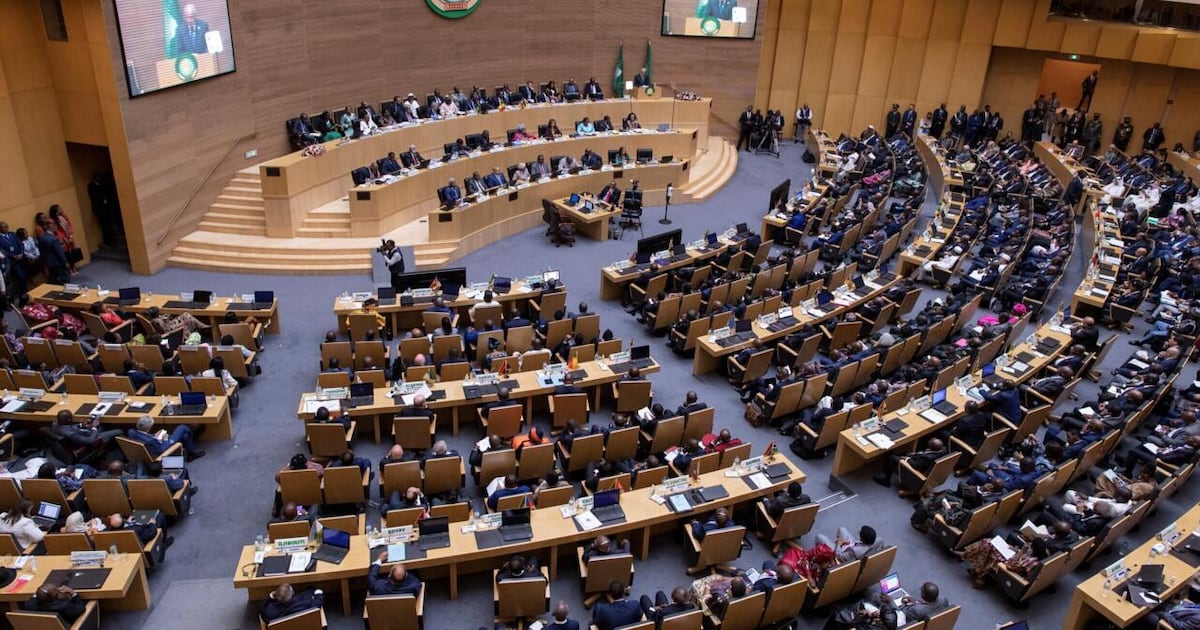
Since its historic return to the African Union in 2017, the Kingdom of Morocco has steadily solidified its strategic role within the continental body. Following extensive regional consultations across North Africa, the Kingdom secured multiple high-level positions across key organs and structures of the organization. This shift underscores the growing prominence of Morocco in continental governance while reflecting its unwavering commitment to the African Union’s core priorities—including institutional reforms, enhanced governance, financial sustainability, economic integration, and tackling pressing development challenges.
In this renewed dynamic, Morocco has clinched nine influential leadership roles, leading the pack among North African nations in terms of elected positions. The Kingdom now holds the vice-presidency of the ministerial committee overseeing African candidacies in international systems. Additionally, it assumes the vice-chairmanship of the contributions committee, a pivotal body responsible for assessing member states’ financial contributions.
At the level of specialized technical committees—critical to shaping shared policies—Morocco has earned seats on the justice and legal affairs committee, as well as the economic development, tourism, trade, industry, and mining resources committee. Simultaneously, the Kingdom was granted the vice-presidency of the permanent representatives’ bureau for institutional reforms and will chair the subcommittee on environmental matters. Its influence extends further to the subcommittee dedicated to human rights, democracy, and governance.
This robust representation also includes Morocco’s election as a member of the board of the African Centre for Migration Studies and Research. This appointment enables Moroccan experts to play an active part in the institution’s initiatives. Such a move reflects the trust placed in the leadership of King Mohammed VI, whose African vision on migration is rooted in solidarity, humanitarian principles, and shared responsibility. Through these nine strategic roles, Morocco is not only reinforcing its dynamic influence but also demonstrating its sustained contribution to the African Union’s operations.
It is worth noting that Morocco officially reintegrated the African family on January 30, 2017, during the Addis Ababa summit, ending a 33-year absence following its withdrawal from the Organisation of African Unity in 1984. This return marked a decisive break from a policy of disengagement, yielding significant diplomatic achievements—particularly in territorial integrity. The Moroccan diplomatic corps successfully shifted the Sahara dossier from a reactive posture to one of proactive leadership, effectively neutralizing adversarial maneuvers within the Union’s own structures.
This pragmatic approach has provided Morocco with an indispensable direct platform to safeguard its fundamental interests. The bold diplomatic strategy pursued in recent years has not only facilitated a seamless reintegration but also accelerated the signing of strategic bilateral agreements with numerous African states. This momentum has paved the way for a new era of economic cooperation and continental cohesion.