Libreville, August 8, 2026 — The 12-day African tour of President Brice Clotaire Oligui Nguema concluded on Friday with a clear message: Gabon’s diplomatic engagements must now yield tangible economic dividends. The return to Libreville marks the beginning of a critical phase where promises will be put to the test.
This diplomatic marathon, spanning from July 27 to August 7, 2026, was far more than a series of protocol meetings. It represented a strategic pivot toward economic transformation, with discussions centered on concrete initiatives in infrastructure, energy, agriculture, vocational training, and trade. The shift signals Gabon’s intent to harness foreign partnerships as catalysts for domestic development rather than mere political alignments.
From diplomacy to development: a new African approach
The tour’s agenda underscored a departure from traditional statecraft. While political discussions remained essential, the focus shifted dramatically toward sectors with direct impact on Gabon’s economic future. In Côte d’Ivoire, President Oligui Nguema did not merely exchange pleasantries with officials; he toured industrial zones, examined urban infrastructure projects, and engaged with major economic players like NSIA and Aurion Capital. These interactions were designed to showcase Gabon as a viable investment destination while identifying models Gabon could emulate.
This approach reflects a broader continental trend where African nations are leveraging diplomacy to secure capital, technology transfer, and market access. For Gabon—a country striving to diversify its economy beyond oil and mining—this strategy is not just innovative; it is necessary. The message is clear: economic diplomacy is no longer optional but a cornerstone of national progress.
Côte d’Ivoire as a case study in African economic integration
The Ivorian leg of the tour provided a compelling blueprint for Gabon. Abidjan’s focus on industrialization, infrastructure expansion, and private sector mobilization offers a roadmap for how African economies can enhance their regional standing. By observing Côte d’Ivoire’s factories, transportation systems, and urban development, Gabon’s leadership is seeking actionable insights to inform its own policies.
This learning process extends beyond admiration. Gabon and Côte d’Ivoire are now positioned to deepen cooperation in areas like industrial partnerships, skills exchange, and joint ventures. The relationship has evolved from diplomatic courtesy to a platform for mutual economic advancement—a testament to how African nations can support one another’s growth.
Accountability and the road ahead
The true measure of this tour’s success will not be found in press releases or photo opportunities but in the tangible outcomes it generates. Will the investors Gabon engaged with follow through on commitments? How many jobs will be created? Which infrastructure projects will break ground? These are the questions Gabonese citizens will be watching closely.
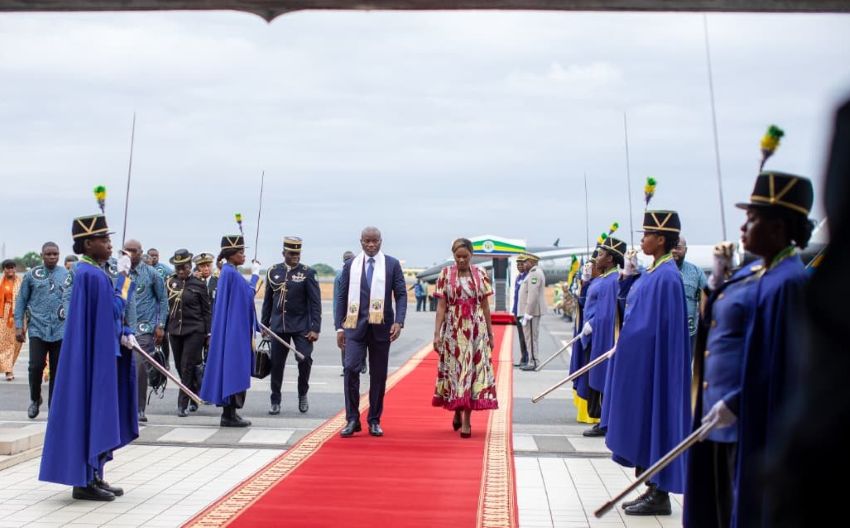
President Oligui Nguema’s return to Libreville signifies more than the end of a travel itinerary. It heralds the commencement of a performance review. The Gabonese presidency must now transition from securing agreements to delivering results. The diplomatic groundwork has been laid; the challenge now is execution.
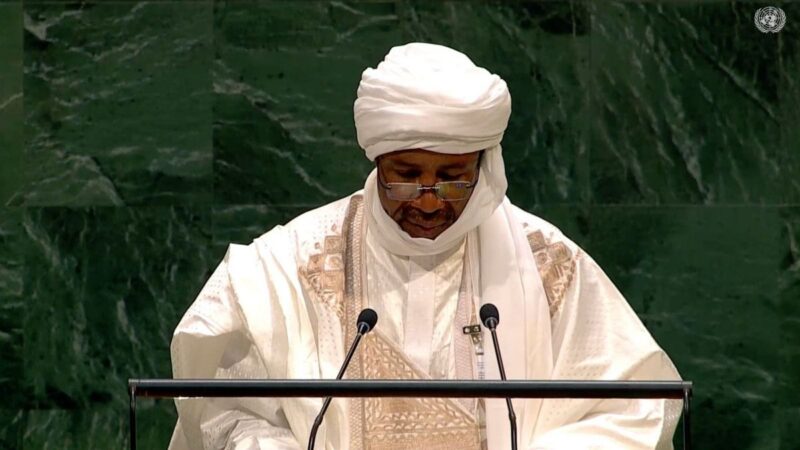
The return of the president—often seen wearing the national emblem’s white sash—symbolizes Gabon’s dual commitment: preserving its identity while embracing continental opportunities. Yet symbols alone will not drive progress. What Gabon needs is proof that its new diplomatic vision can translate into economic reality. The next chapter will be written not in conference rooms, but in factories, on construction sites, and in the daily lives of Gabonese citizens.