Dakar summit focuses on data precision to eliminate polio across Africa
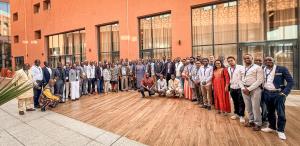
In a significant move to fortify public health infrastructure, more than 80 specialists from 19 African nations have convened in Dakar this week. Their mission is to harmonize and elevate the quality of data used in polio surveillance and outbreak responses, a critical step in shielding children across the continent from the disease.
This intensive workshop, running from June 8 to June 19, 2026, centers on evaluating data integrity and coordinating various workstreams dedicated to the Polio Eradication Programme. By bringing together health ministry officials, national laboratory experts, and regional coordinators, the initiative seeks to build more resilient information systems that drive evidence-based interventions.
Strengthening surveillance and digital integration
The working sessions involve a comprehensive review of data across multiple sectors, including acute flaccid paralysis (AFP) monitoring, environmental tracking, and laboratory analysis. Participants are also scrutinizing electronic surveillance methods and supplementary immunization activities to identify and resolve persistent bottlenecks in data reporting.
A key component of the gathering involves hands-on training with new digital tools designed to streamline data collection and analysis. These technological advancements ensure that health officials can make rapid, informed decisions based on real-time information, which is vital for containing potential outbreaks.
A call for continued vigilance
The event was inaugurated by Dr. Yao N’da Konan Michel, who serves as the representative in Sénégal. During his opening remarks, he praised the host nation for its leadership in combating infectious diseases. While the African Region celebrated a historic milestone in 2020 by being certified free of indigenous wild poliovirus, Dr. Yao warned that the emergence of variant polioviruses requires unwavering alertness.
He emphasized that the success of eradication efforts hinges on high-quality surveillance and the ability to bridge immunity gaps. "At the heart of these efforts is a robust digital ecosystem supported by strong data governance," he noted.
Securing a public health legacy
Kebba Touray, who leads the data and information management team, explained that the workshop represents a collective pledge to preserve the program’s sophisticated data management heritage. He highlighted that the current systems are the result of years of dedicated leadership and strategic funding from partners like the Gates Foundation.
Touray urged the delegates to use this time to fix gaps in data quality. He cautioned that failing to improve these systems would make it difficult to monitor vaccination quality or assess the effectiveness of outbreak responses, ultimately threatening the progress made toward a polio-free Africa.