Minembwe’s strategic significance in the RDC’s eastern conflict
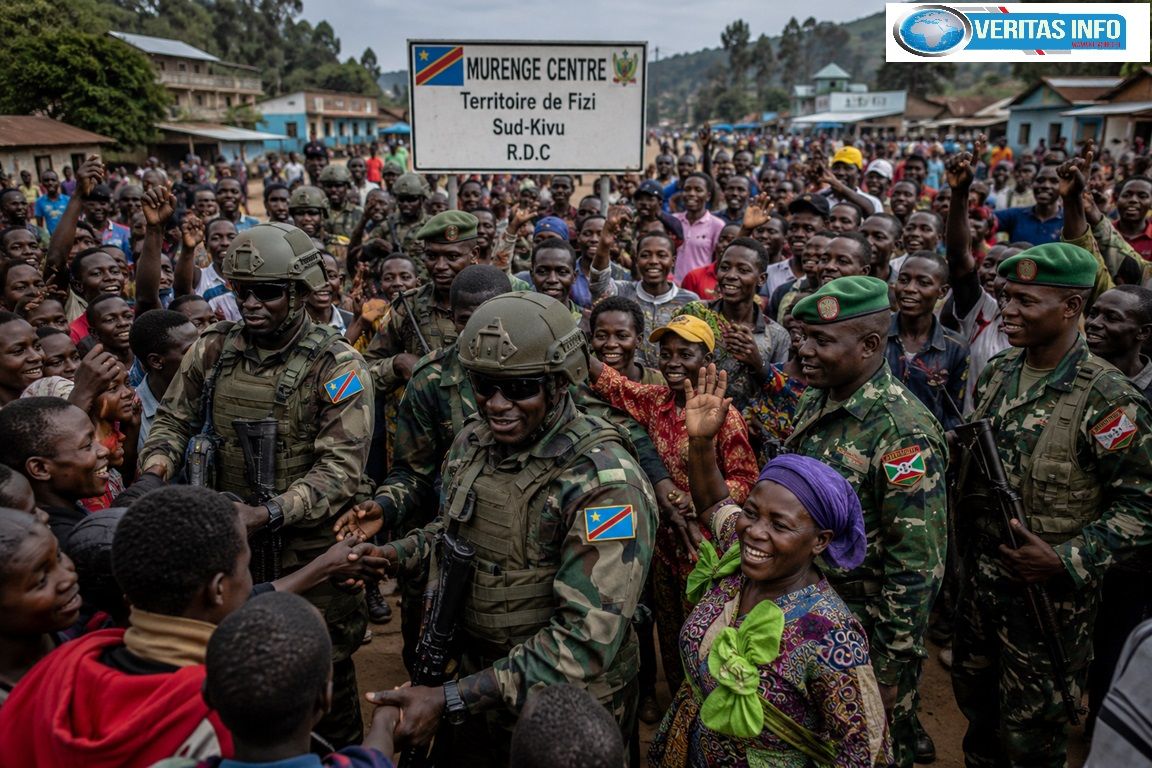
Minembwe’s strategic significance in the RDC’s eastern conflict.
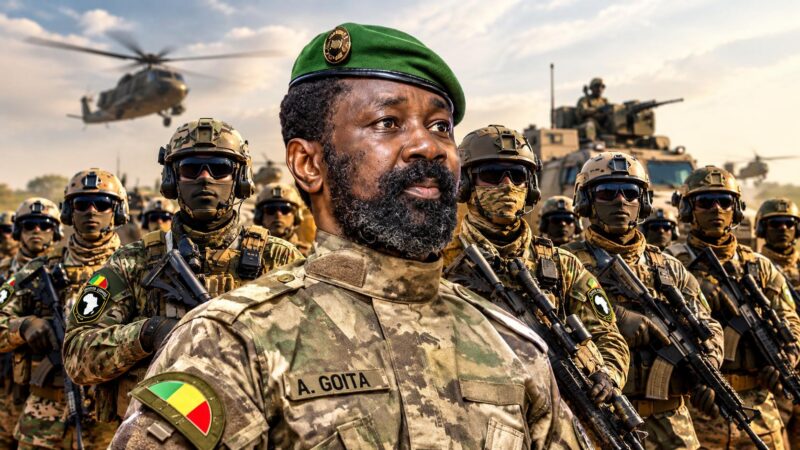
The struggle for Minembwe is no longer merely a local clash between rival armed factions. It has emerged as a pivotal symbol in the broader power struggle unfolding across the eastern Democratic Republic of Congo (RDC). This conflict pits government forces, backed by Burundi and the Wazalendo militias, against the Twirwaneho and AFC/M23 rebel movements, which Kinshasa alleges receive support from Rwanda.
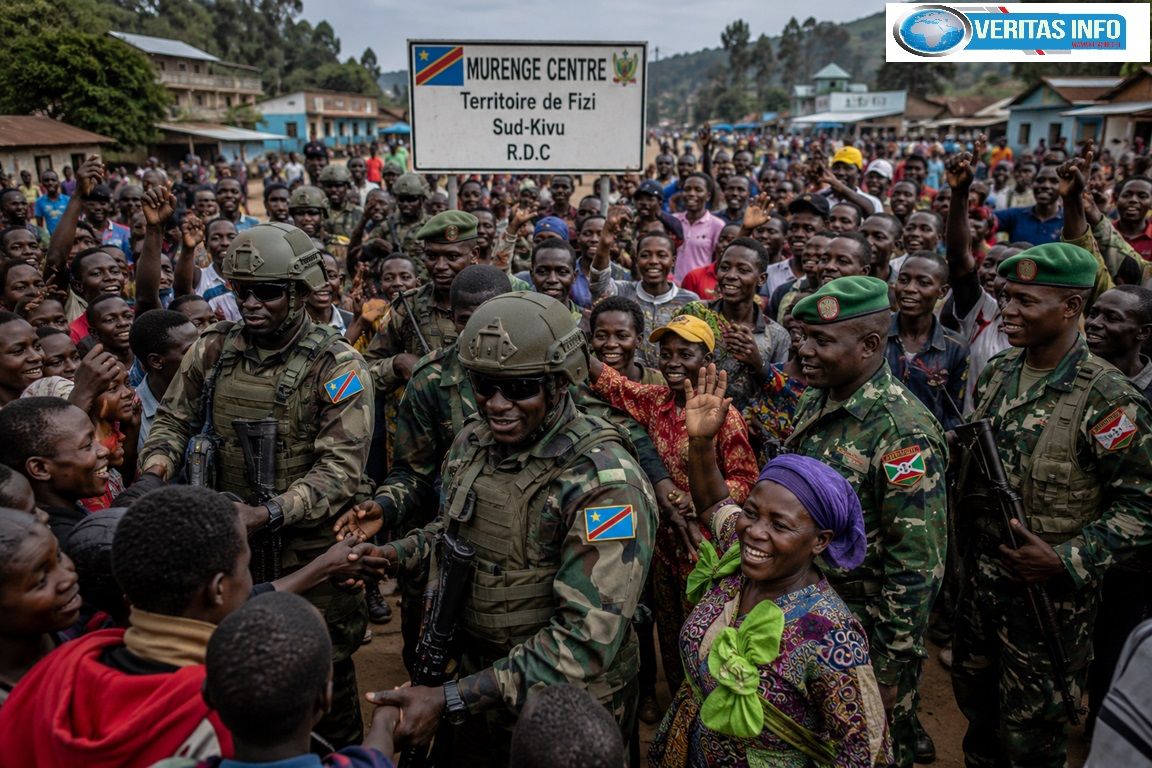
Congolese military authorities assert that the Armed Forces of the Democratic Republic of Congo (FARDC), supported by the Burundi National Defence Forces (FDNB) and the Wazalendo, maintain firm control over Minembwe-centre, its vital airfield, and surrounding areas. Kinshasa vehemently defends this account, dismissing claims circulating on some social media platforms about a rebel recapture of the locality as “disinformation.”
Beyond the conflicting statements, the stakes are exceptionally high. Minembwe holds a critically strategic position within the high plateaus of South Kivu. Its command allows for significant influence over key routes connecting Fizi, Uvira, and various mountainous zones that historically serve as fallback bases or logistical corridors for armed groups active in the region.
A symbolic triumph for Kinshasa’s governance strategy.
Should the situation described by the FARDC prove lasting, the retention of Minembwe would represent one of the most significant military achievements for the Congolese government in South Kivu in recent months.
For several years, Kinshasa has faced criticism regarding its inability to establish enduring authority in the high plateaus. A stabilization of Minembwe would allow President Félix Tshisekedi’s administration to demonstrate that its alliance strategy with the Wazalendo and military cooperation with Burundi can yield tangible results on the ground, bolstering its governance Africa efforts.
In a context where Congolese public opinion demands concrete progress against armed groups, such a success would also enhance the government’s credibility among a segment of the society Africa.
Burundi: a key regional beneficiary in African politics.
Regionally, the involvement of Burundian troops alongside the FARDC underscores a shift in security dynamics within the Great Lakes region.
Bujumbura has solidified its position as an indispensable military ally for Kinshasa. A lasting consolidation of government positions in Minembwe would further amplify Burundi’s diplomatic influence in regional security discussions, impacting African politics.
This development could also heighten the strategic rivalry between Burundi and Rwanda, two nations whose security interests are increasingly diverging in eastern Congo.
A setback for the AFC/M23/RDF and Twirwaneho narrative.
/image%2F1046414%2F20260621%2Fob_702fb3_bdi-Burundi-iscam-000-05092025-fdnb-79.jpeg)
For the rebel movements, the battle for Minembwe also carries significant symbolic weight. For several months, the AFC/M23/RDF has sought to demonstrate its capacity to extend its reach beyond its traditional strongholds in North Kivu.
The sustained loss of a high-profile area like Minembwe would undermine this narrative of continuous advancement. It could also impact the morale of combatants and their support networks, who closely follow the conflict’s evolution on social media.
The intensity of the information warfare observed in recent days highlights the importance each side places on public perception of events. In contemporary conflicts, the conquest of territory is no longer solely determined on the battlefield ; it is also waged in the media arena.
A battle extending beyond Minembwe’s borders.
However, specialists in Great Lakes conflicts urge caution. The military history of eastern RDC demonstrates that a single locality can change hands multiple times within weeks.
Even with the FARDC currently controlling Minembwe and its airfield, the central question remains the Congolese state’s capacity to sustainably maintain its authority in this mountainous and challenging-to-access region.
For Kinshasa, the stakes extend far beyond the fate of one locality. It is about demonstrating that the state can progressively reclaim control of areas long dominated by armed groups. Conversely, for the rebel movements, it is about preventing the emergence of a dynamic that could permanently alter the balance of power in the high plateaus of South Kivu.
In Minembwe, as elsewhere in eastern Congo, the military battle is now compounded by a political battle. And in this war where each side claims victory, control of the narrative has become almost as crucial as control of the territory itself.