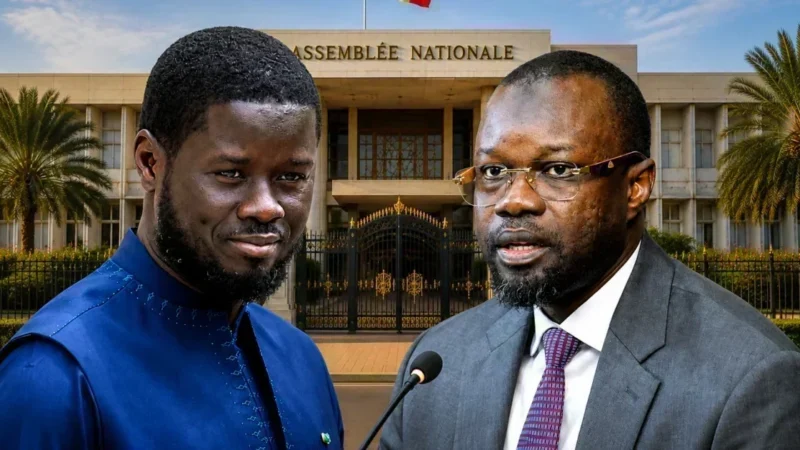
Tensions are rising in Dakar over the long-standing contract between Senegal’s Rural Electrification Agency (ASER) and the Spanish firm AEE Power. The dispute has evolved into a political flashpoint, with Thierno Alassane Sall, President of La République des valeurs and a National Assembly deputy, accusing the ruling Pastef party of double standards in handling the rural electrification project—a deal that has exposed deep rifts between the executive and opposition figures.
Sall, a former Energy Minister known for his firm stance on governance issues, has publicly criticized what he describes as inconsistencies in Pastef’s approach. While in opposition, the party had framed the ASER-AEE Power contract as emblematic of mismanagement under the previous administration. Now in power, its leaders face the challenge of upholding the same agreement, sparking accusations of abandoning campaign promises of transparency and reform.
Rural electrification contract triggers political showdown
The ASER-AEE Power agreement, designed to connect thousands of Senegalese villages to the national grid, has faced scrutiny over its execution, disbursements, and delivery timelines. What began as a technical debate has escalated into a major political confrontation, with Sall framing the issue as a litmus test for the new government’s commitment to accountability.
In a rare direct accusation in Senegalese parliamentary discourse, Sall argues that Pastef’s current handling of the contract contradicts its earlier rhetoric. He highlights a lack of clarity on key aspects of the agreement, from termination timelines to potential penalties and outstanding payments, all of which fuel public skepticism about the government’s approach to inherited deals.
Former minister challenges Pastef’s handling of energy contract
The former Energy Minister reserves particular criticism for the ruling party’s selective enforcement of its audit promises. While Pastef had vowed to systematically review opaque contracts, its cautious stance on ASER-AEE Power suggests a reluctance to disrupt the status quo. Sall warns that this inconsistency risks undermining the government’s credibility, especially as it seeks to distance itself from the perceived failures of the previous administration.
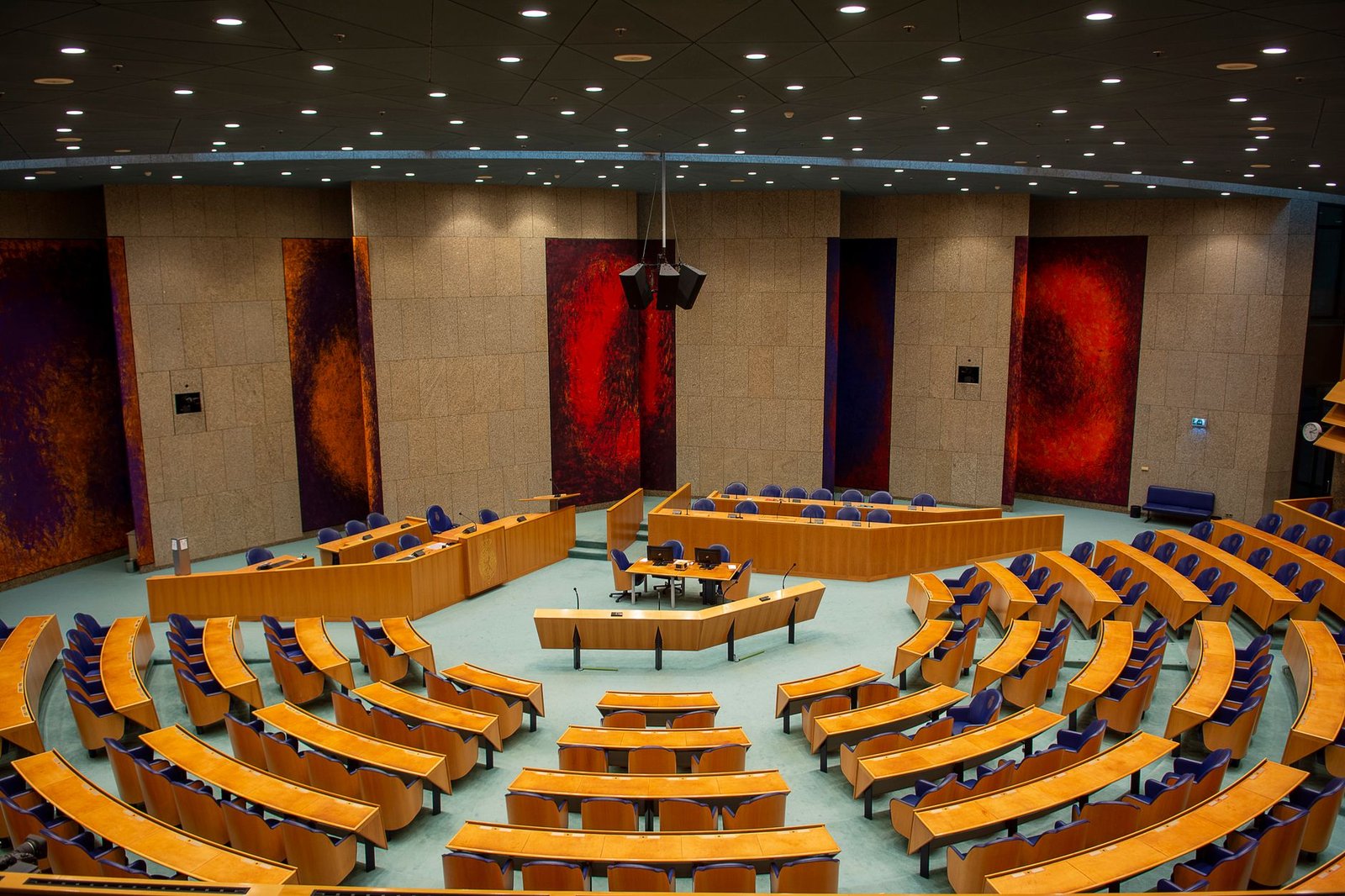
He also calls for institutional transparency, urging the National Assembly to take the lead in clarifying the contract’s status. Sall insists that lawmakers must address lingering questions about the deal’s compliance with public spending rules and Senegal’s international obligations, emphasizing the Assembly’s role as the legitimate forum for resolving disputes that impact national sovereignty.
Contract dispute highlights broader energy sector challenges
Beyond the political jockeying, the ASER-AEE Power saga underscores critical challenges in Senegal’s energy sector. Rural electrification remains a cornerstone of national development, with billions of CFA francs allocated to bridging electricity access gaps between urban and rural areas. However, abrupt contract terminations can trigger costly international arbitration, as seen in past extractive industry disputes handled by the International Centre for Settlement of Investment Disputes (ICSID).
The way the current administration resolves this conflict will send a strong signal to international partners and investors. A transparent resolution could bolster Senegal’s sovereign reputation, making it easier to secure future financing and maintain investor confidence in the energy sector. Conversely, a politically driven approach may raise the cost of public contracts and deter foreign participation in critical infrastructure projects.
Sall’s intervention comes amid a broader push by the executive to hold former officials accountable for alleged governance failures. By questioning Pastef’s handling of the ASER-AEE Power contract, the former minister shifts the focus to the new government’s own practices. The outcome hinges on whether the relevant Assembly committee releases key documents and how ASER officially responds in the coming weeks. Sall continues to demand full transparency on this sensitive dossier.