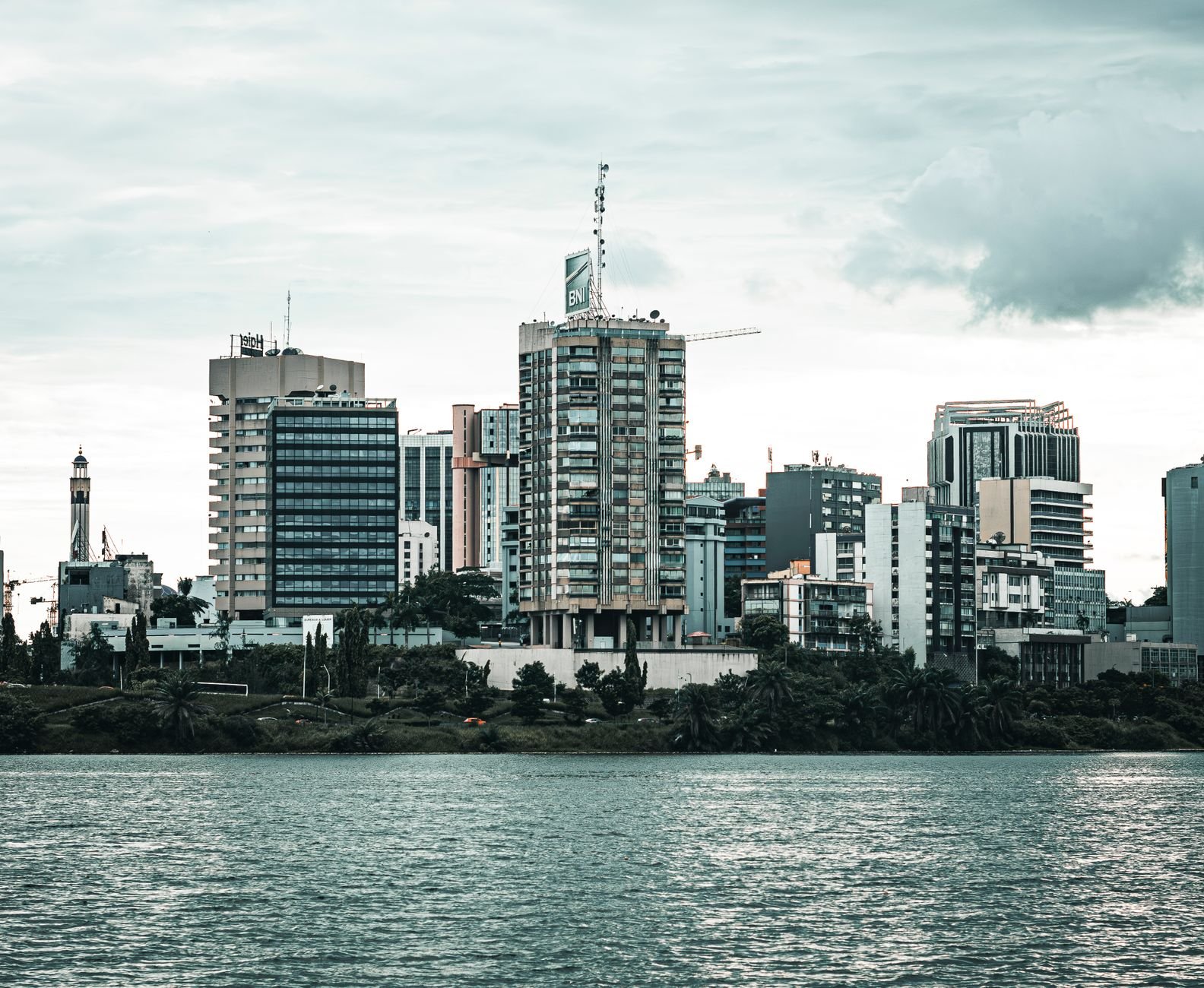
Ivorian President Alassane Ouattara has renewed his commitment to propelling Côte d’Ivoire toward accelerated development by urging all national stakeholders to unite behind his vision of a “Greater Côte d’Ivoire.” This rallying cry, issued at the dawn of a new political cycle, reflects his determination to rally administrative, economic, religious and community leaders around a shared national project. It comes as Abidjan seeks to leverage a decade of robust growth to reach a new structural milestone.
Uniting Ivorian stakeholders for collective progress
The president’s call targets every segment of Ivorian society. Government institutions, political parties, the private sector, civil society, traditional leadership and the diaspora are all encouraged to participate in a unified effort. This inclusive approach underscores a governance model where national success hinges on broad-based buy-in rather than top-down directives. The timing is deliberate, arriving at a political juncture where the stability and continuity of public policies are more critical than ever.
For Alassane Ouattara, this initiative builds on core principles established since 2011—industrialization, rural development and positioning Abidjan as a regional hub. The president aims to convert strong macroeconomic performance, with average growth exceeding 6% in recent years, into tangible social benefits for households. The concept of a “Greater Côte d’Ivoire” embodies this dual ambition: reinforcing economic indicators while ensuring broader wealth distribution.
Long-term economic and political transformation
Economically, the vision of a strengthened Côte d’Ivoire encompasses several ongoing flagship projects. The port of Abidjan continues its expansion, while San Pedro is rising as a key player in mining and agriculture. The highway network is extending northward toward Burkina Faso and Mali, aiming to enhance West African trade corridors. The energy sector, a persistent vulnerability following the 2024 supply crisis, is receiving major investments to secure production and diversify the energy mix.
The political dimension is equally pivotal. By reaching out to diverse stakeholders, President Ouattara seeks to broaden support for his agenda beyond the Rassemblement des houphouëtistes pour la démocratie et la paix (RHDP) alone. This strategic outreach reflects a recognition that large-scale infrastructure and economic transformation projects require a minimal consensus to withstand political shifts. The emphasis on national unity over partisan allegiance aligns with this long-term vision.
Rallying behind a shared national identity
The choice of language is deliberate. By invoking the “Greater Côte d’Ivoire,” the administration channels the legacy of founding President Félix Houphouët-Boigny, whose leadership framed national ambition through unifying slogans. This historical continuity aims to ground current initiatives in tradition while addressing concerns about excessive concentration of power. However, the true test will lie in the government’s ability to translate this vision into actionable policies.
Analysts emphasize that success depends on measurable progress in governance, business climate and territorial equity. Northern and central regions, lagging in infrastructure compared to the coastal areas, remain top priorities. Youth inclusion also poses a structural challenge, given that over 75% of the population is under 35. The president’s appeal will only gain real traction if it leads to concrete mechanisms for engaging the stakeholders he has identified in decision-making processes.