Mali security crackdown targets opposition leader’s Bamako home
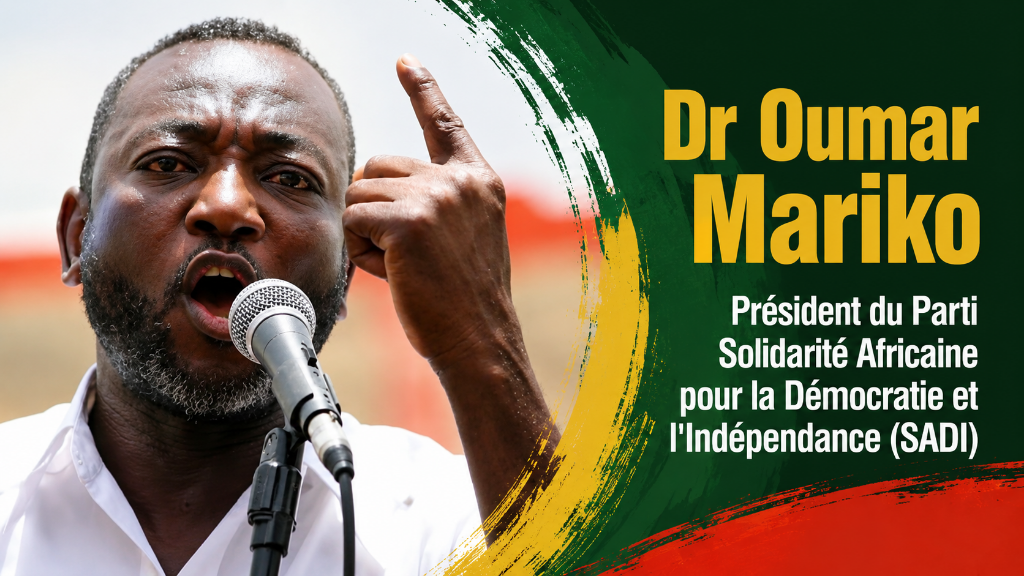
The political landscape in Mali continues to darken as the residence of exiled opposition figure Dr. Oumar Mariko was raided in the capital, Bamako, on May 30 by heavily armed and masked individuals. The three-hour operation concluded with the seizure of multiple documents, a move that underscores the escalating repression by the current transitional authorities amid recent military setbacks in the country’s northern regions.
Night-time intrusion leaves family shaken
The quiet streets of Bamako’s residential district were shattered when a squad of cagouled gunmen stormed Dr. Mariko’s home. According to accounts from family members, the raid lasted approximately three hours, though no physical harm was inflicted on those present. Instead, the assailants forcibly breached locked rooms and conducted a meticulous search before departing with stacks of personal and administrative files. The intent, observers suggest, was not just to retrieve documents but to send a chilling message: dissent will not be tolerated, even from abroad.
Military losses fuel regime’s crackdown
This aggressive move against a prominent democratic voice is no isolated incident. It reflects the growing desperation within the military-led administration following a catastrophic offensive on May 25. A coordinated assault by the Forces Libérées de l’Azawad (FLA) and the jihadist Jama’at Nusrat al-Islam wal Muslimin (JNIM) overwhelmed government forces, forcing a humiliating retreat. Key positions, including the symbolic city of Kidal, were lost, shattering the regime’s narrative of territorial control. With public confidence in the military’s strategy plummeting, the leadership appears to be lashing out at perceived internal threats.
Systematic suppression of dissent intensifies
In an apparent attempt to divert attention from battlefield failures and shore up its faltering legitimacy, the transitional government has intensified its crackdown on critics. What activists and human rights groups describe as a coordinated campaign of intimidation now targets politicians, civil society leaders, and journalists across Bamako and major urban centers. The pattern is unmistakable: plainclothes officers conduct extrajudicial arrests under cover of night, followed by secret detentions. The raid on Dr. Mariko’s home epitomizes this broader strategy—to silence opposition, whether it operates from within the country or beyond its borders.
Mali at a crossroads: repression or reconciliation?
The raid on Dr. Oumar Mariko’s residence serves as a stark warning of Mali’s authoritarian drift. By prioritizing the suppression of dissent over national unity and territorial defense, the authorities in Bamako risk deepening the country’s instability. As security conditions worsen and economic hardships mount—fueled by shortages and inflation—the government’s reliance on fear as a governance tool is proving increasingly ineffective. The real challenge facing Mali is not the eradication of dissenting voices in Bamako, but the urgent need for a unified front to confront the existential threats tearing at the nation’s fabric.