Mali imposes one-year ban on 125cc motorcycle imports and circulation
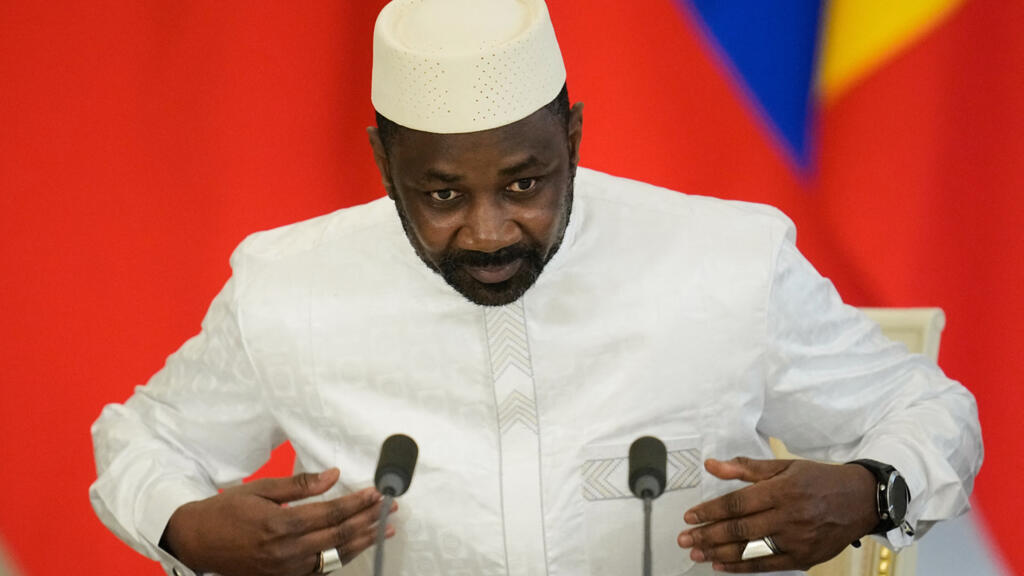
The Malian authorities have enacted a sweeping one-year moratorium on the import, sale, and circulation of 125cc motorcycles and larger models outside major urban centers. This sweeping restriction, effective immediately, underscores Bamako’s intensified efforts to curb the operational advantages insurgent groups have leveraged through these vehicles in the Sahel’s ongoing conflict.
heightened security measures target motorcycle use by armed factions
Under the new directive, motorcycles of 125cc or more are prohibited from operating beyond the boundaries of Bamako’s district, regional capitals, district seats, and arrondissement headquarters. The measure extends to a complete halt on imports and commercial transactions involving these vehicles nationwide. Local authorities retain flexibility to tighten or relax restrictions based on evolving security assessments, though the initial suspension is set for one year with potential renewal.
The decision follows a series of coordinated attacks on April 25 that targeted key locations including Bamako, Kati, Gao, Sévaré, Mopti, and Kidal. While the Jama’at Nusrat al-Islam wal Muslimin (JNIM) and elements of the Azawad Liberation Front claimed responsibility, military analysts highlight the tactical centrality of motorcycles in these assaults. Their mobility, adaptability to rough terrain, and ability to evade conventional surveillance make them indispensable tools for armed movements across the Sahel.
economic ripple effects ripple across malian markets
Beyond restricting movement, the government has frozen all commercial activities tied to these motorcycles, including imports, transit, sales, and even free distribution. Businesses holding existing stock must register their inventory with authorities within 90 days or face confiscation. This crackdown threatens livelihoods across multiple sectors: dealers, transporters, mechanics, spare parts vendors, and informal ride-hailing operators all stand to lose critical revenue streams.
The ban’s impact will likely resonate most profoundly in rural and peripheral regions, where motorcycles serve as lifelines for mobility. With over 1.24 million square kilometers of often road-scarce terrain, these vehicles facilitate agricultural transport, healthcare access, school commutes, and small-scale commerce. For countless Malian households, a motorcycle represents not just a vehicle, but a gateway to economic opportunity and social connectivity.
regional precedent and pragmatic considerations
Mali joins neighboring Burkina Faso and Niger in implementing partial or time-based motorcycle restrictions in high-risk zones. While neighboring nations have experimented with nuanced approaches, Bamako’s blanket suspension reflects the severity of recent threats. Authorities emphasize that the measure prioritizes public safety over short-term economic disruptions, though the long-term consequences for transport-dependent communities remain a pressing concern.