Ivorian security forces stand firm against jihadist threats in the north
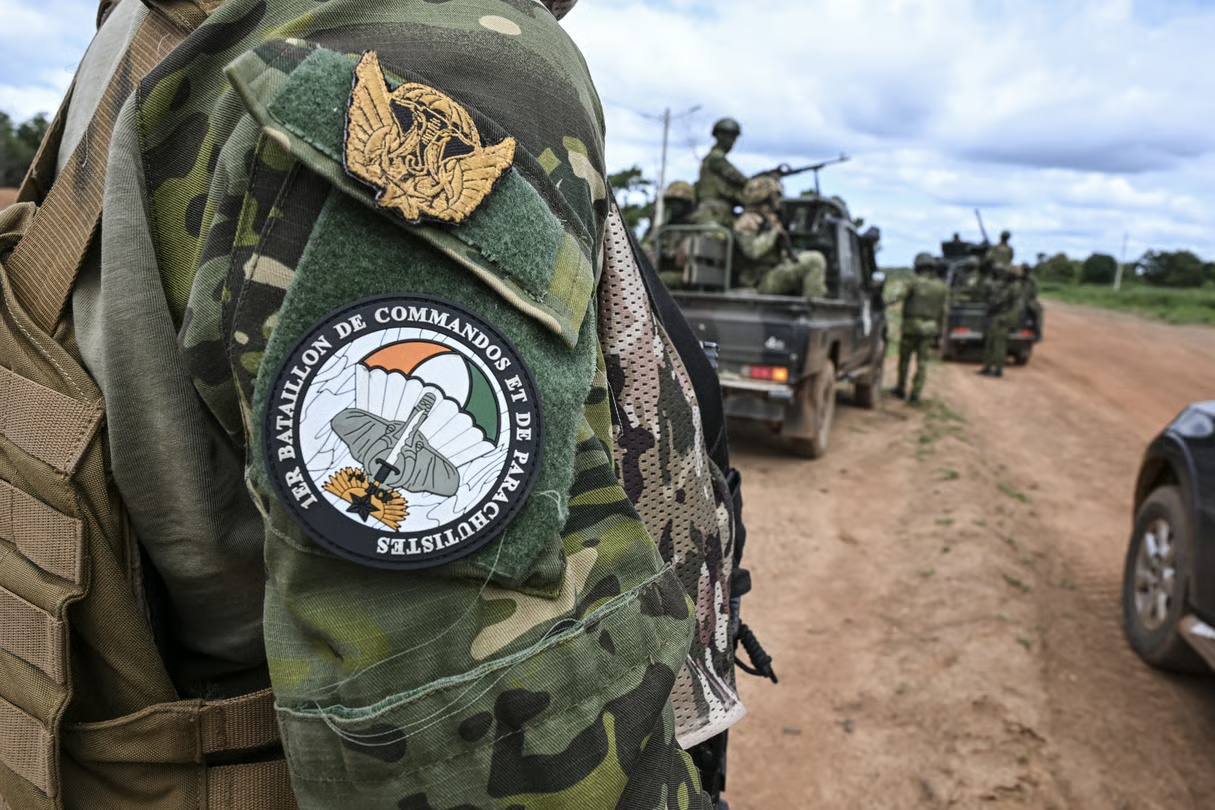
Northern Côte d’Ivoire: a strategic frontline in the fight against extremism
The vast savannas and rugged terrain of northern Côte d’Ivoire have become a critical battleground in the Sahel’s escalating security crisis. With neighboring Burkina Faso grappling with relentless jihadist violence, the Ivorian military has positioned itself as a key barrier against the spread of extremism into West Africa’s most stable economies.
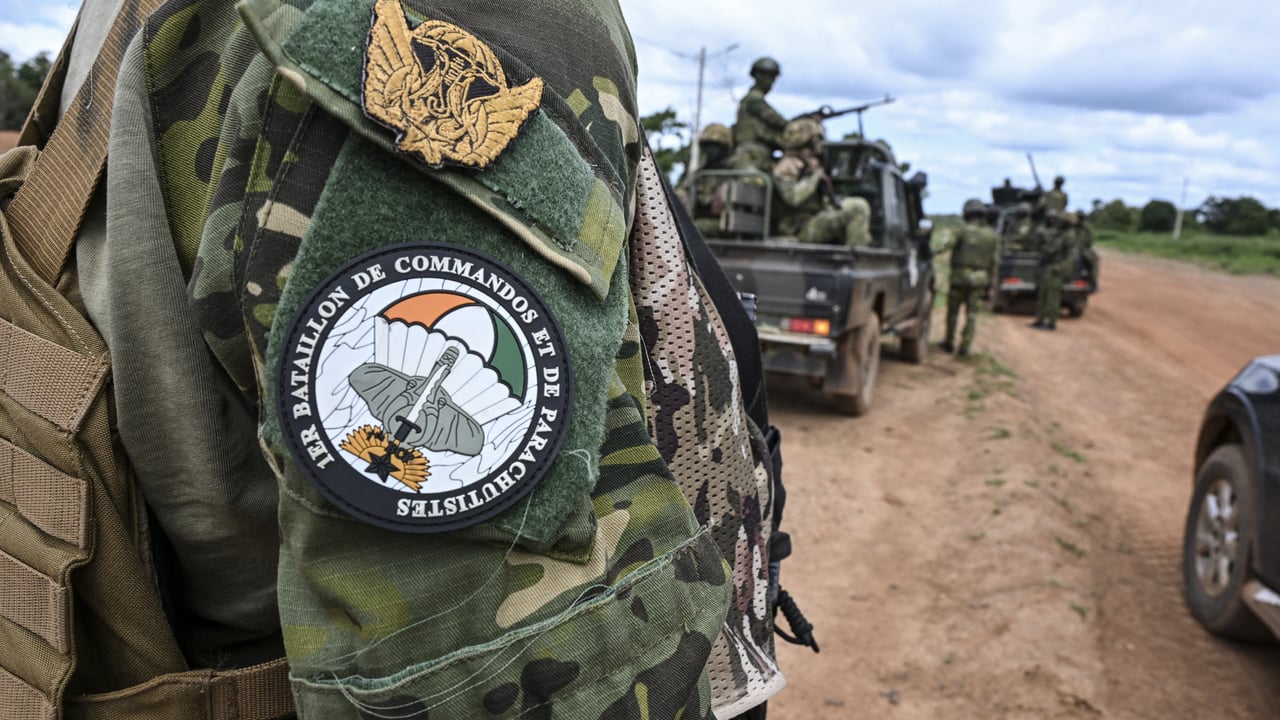
In the village of Mororo, near the border with Burkina Faso, local forces maintain a constant vigil. Their patrols through dusty roads and remote hamlets underscore a determination to protect communities from the destabilizing forces that have ravaged the region. This determination reflects a broader national strategy: safeguarding Côte d’Ivoire’s stability while preventing the infiltration of armed groups operating from neighboring conflict zones.
Military resilience and community trust
The Ivorian Armed Forces have undergone significant transformation since the country’s post-crisis recovery. With a focus on modernization and counterterrorism training, they now stand as a credible deterrent against extremist threats. In Mororo, soldiers not only conduct surveillance but also engage with residents, reinforcing trust and gathering vital intelligence.
Local leaders emphasize the importance of this partnership. “The presence of our troops here is more than a show of force—it’s a commitment to our safety,” said a village elder. “We’ve seen what happens in Burkina Faso, and we know the cost of complacency.” The message is clear: Côte d’Ivoire will not become the next flashpoint in the Sahel’s widening conflict.
Regional dynamics and shifting threats
The security landscape in northern Côte d’Ivoire is shaped by dynamics far beyond its borders. The rise of armed factions in Burkina Faso, led by figures like Ibrahim Traoré, has intensified pressure on regional security architectures. These groups exploit porous borders and weak governance to expand their influence, posing a direct threat to Côte d’Ivoire’s northern territories.
In response, Ivorian authorities have bolstered border security, deploying additional troops and intelligence assets. The goal is twofold: disrupt extremist networks before they take root and ensure that Côte d’Ivoire’s role as a stabilizing force in West Africa remains unchallenged. This proactive approach contrasts sharply with the reactive policies that have left other nations vulnerable.
Looking ahead: challenges and opportunities
While the Ivorian military’s efforts are commendable, the road ahead is fraught with challenges. The porous nature of the Burkina Faso border, coupled with the region’s economic disparities, creates fertile ground for extremist recruitment. Addressing these root causes requires more than military action—it demands sustained investment in development and governance.
Yet there is hope. Côte d’Ivoire’s economic resilience and strong institutions provide a foundation for long-term stability. By continuing to prioritize security and community engagement, the country can serve as a model for other nations grappling with the Sahel’s evolving crisis.
As the sun sets over Mororo’s dusty streets, the soldiers prepare for another night of vigilance. Their mission is clear: to ensure that the shadows of extremism do not darken Côte d’Ivoire’s future.