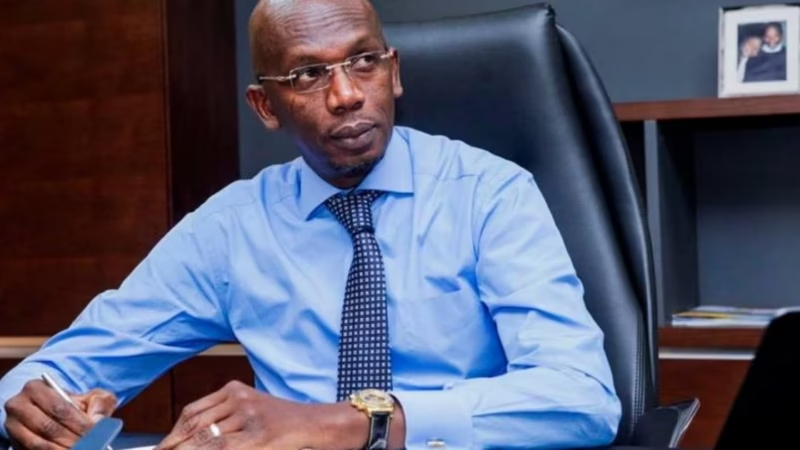
Injustice in Tchad: imprisoned leader succès masra urgently needs medical care
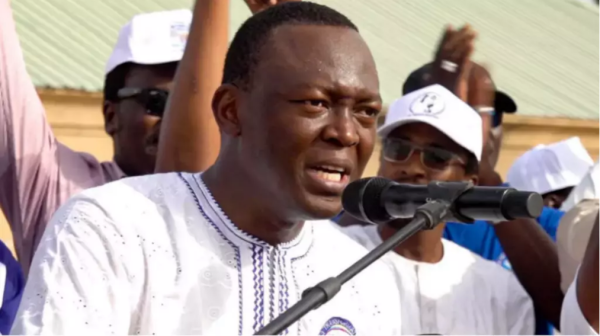
For an entire year, opposition leader Succès Masra, former Prime Minister of Chad, has remained behind bars. His arrest in 2024 led to a 20-year prison sentence, convicted of spreading a message deemed responsible for triggering deadly intercommunal violence in southern Chad two years prior. As the founder of the political party Les Transformateurs, Masra secured 18% of the vote in the 2024 presidential election, finishing second. Since then, his detention has sparked widespread outcry, with his sister, Chancelle Masra, now based in France, speaking out on his behalf.
Chancelle Masra shares harrowing details about her brother’s conditions inside a military-run detention facility in N’Djaména. Succès Masra has been held in a cramped 15-square-meter cell since May 16, 2025, deprived of natural light, dignified living conditions, or access to basic amenities such as exercise or proper rest. Medical reports confirm he suffers from severe respiratory complications, yet critical diagnostic testing remains unavailable in Chad, leaving his health in grave danger.
Despite persistent calls for his release, Succès Masra remains incarcerated without credible evidence, testimonies, or legal justification. His legal team and family have successfully secured limited visits from doctors and lawyers, as well as sporadic meetings with his mother. However, all electronic devices have been confiscated, cutting him off from communication with his daughter, wife, and sister. Chancelle Masra confirms that no contact with political authorities has been established on his behalf.
Succès Masra’s appeal against his conviction for alleged incitement to hatred and violence is currently pending, with no scheduled court date in sight. His legal team and family insist the charges are baseless. Over the years, Succès Masra has consistently advocated for dialogue, peace, and national reconciliation. As Prime Minister in 2023, he voluntarily relinquished his entire salary, committing his efforts to rebuilding Chad on pillars of development and security. His vision stands in stark contrast to the inflammatory rhetoric he has been accused of spreading.
Chancelle Masra underscores the growing political repression in Chad, citing recent prison sentences handed down to eight members of the opposition coalition GCAP for organizing peaceful protests. She warns that silencing dissent undermines democratic principles and threatens the nation’s stability. The international community, including human rights organizations such as Amnesty International and Human Rights Watch, has rallied in support, calling for respect for Chad’s judicial sovereignty and the protection of fundamental freedoms.
Despite the defection of a few party members to government roles, Succès Masra retains unwavering support from his base. His commitment to nation-building resonates deeply within the diaspora and among thousands of citizens who see him as a leader of integrity. Chancelle Masra expresses gratitude for the global solidarity that has sustained her brother’s morale and physical well-being, while urging African leaders to uphold justice, transparency, and human rights protections. She emphasizes that no government should exploit legal systems to silence peaceful opposition.
With diplomatic channels between Chad and international partners, including France, showing signs of reopening, she calls on all stakeholders to prioritize justice over political expediency. Succès Masra’s case is not just a family tragedy—it is a litmus test for Chad’s commitment to democracy, rule of law, and the protection of dissenting voices.