Senegal grapples with social unrest amid political turbulence

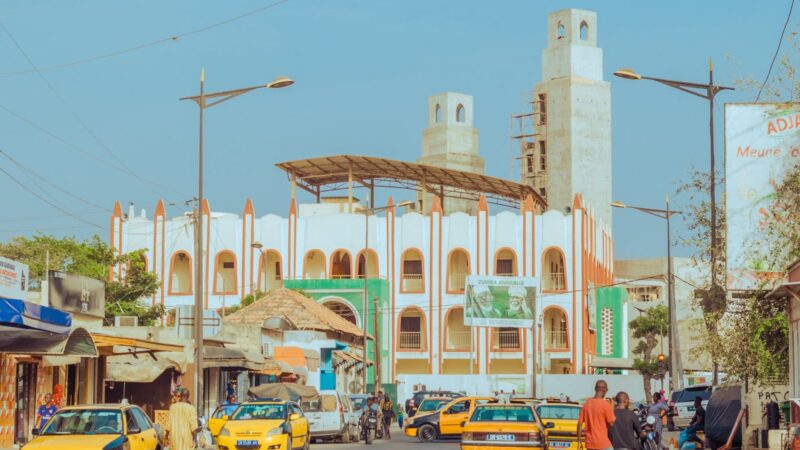
Senegal is witnessing a growing divide between pressing social concerns and a political landscape dominated by power dynamics. Across the country, citizens are increasingly vocal about the daily struggles exacerbated by soaring housing costs, erratic access to essential services, and persistent bureaucratic hurdles.
In urban centers, the strain is palpable. Households report a steady decline in purchasing power, while young people voice frustration over limited economic opportunities. This backdrop of hardship has fostered a climate of uncertainty, with analysts warning that the widening gap between leaders and citizens could deepen if structural solutions remain unaddressed.
A political landscape under scrutiny
At the same time, national politics continues to dominate headlines. President Bassirou Diomaye Faye and Prime Minister Ousmane Sonko, key figures in the current administration, remain the focal point of public discourse. Their policies are closely watched, both institutionally and politically, as expectations from the population remain high.
Yet, some observers argue that public debates often prioritize internal political alliances and power consolidation strategies over immediate social issues. This shift risks sidelining urgent concerns like unemployment and service accessibility in favor of electoral and organizational considerations ahead of future political milestones.
Confronting environmental and urban challenges
The conversation extends beyond governance. Environmental and social issues, such as the preservation of spaces like Hann Park, highlight broader challenges: rapid urbanization, demographic pressures, and the need to safeguard natural resources. These debates underscore the interconnectedness of urban development, environmental sustainability, and quality of life.
For many, the priority must shift toward foundational social needs—efficient public services, sustainable job creation, and improved living conditions. The core question remains: How can Senegal balance political maneuvering with the urgent demands of its people?
Analysts emphasize that long-term stability hinges on the government’s ability to deliver tangible solutions to daily struggles while fostering a climate of constructive dialogue.