Senegal’s political future hinges on women’s inclusion, says RFLD leader
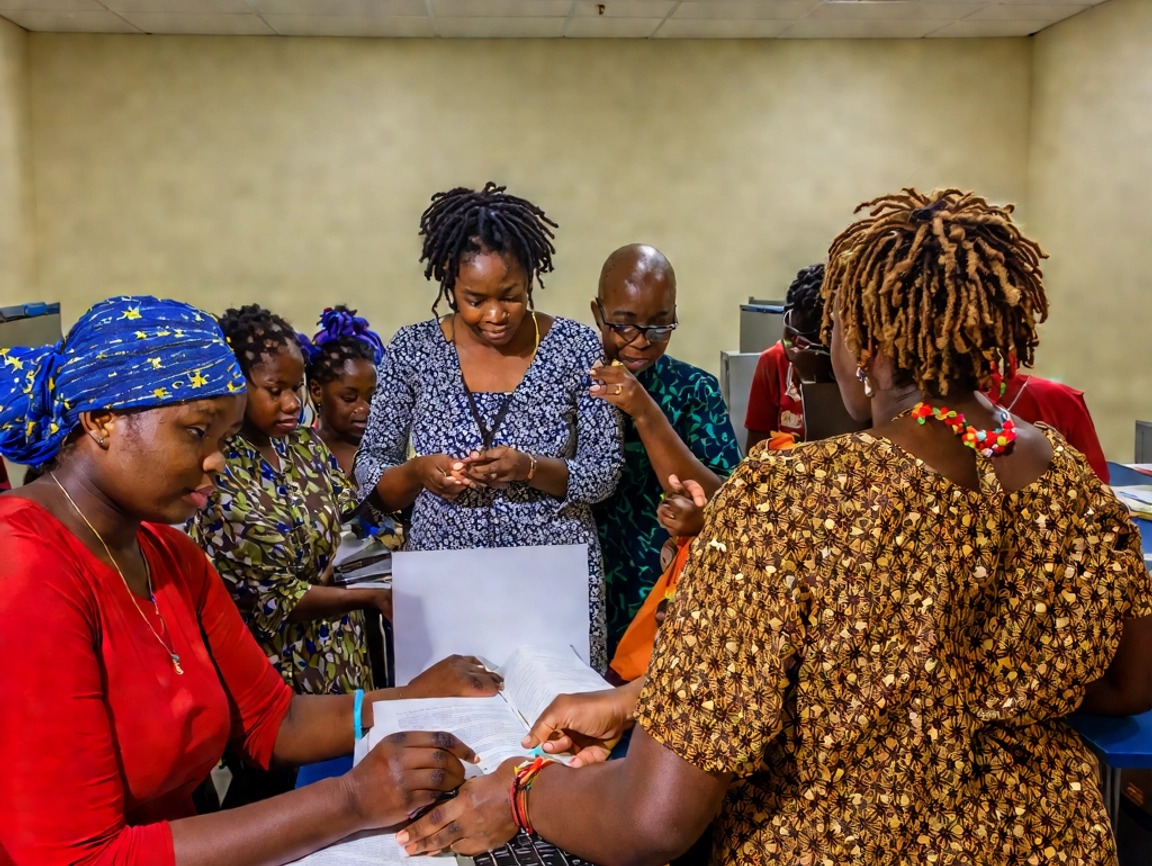
Women’s leadership is not just an aspiration but a necessity for Senegal’s progress, declared Bator Seck, President of the Réseau des femmes leaders pour le développement (RFLD), during a high-profile seminar in Dakar. The gathering, organized by the pan-African feminist network, brought together advocates, policymakers, and civil society to address the persistent gap in women’s political representation across the country.
The event underscored a troubling reality: despite Senegal’s long-standing reputation as a regional leader in gender equality—bolstered by the 2010 parity law, the 2001 Constitution’s gender equality clause, and ratification of international human rights conventions—women’s presence in decision-making spaces remains critically low. The 2024 legislative elections revealed a stark decline, with female representation in the National Assembly dropping from 44.2% to 41%. Even more striking, women accounted for just 13% of electoral list heads, highlighting systemic barriers to political participation.
The RFLD seminar highlighted structural obstacles, including cultural resistance, unequal access to political financing, and limited media visibility for women candidates. Bator Seck pointed to the underrepresentation of women in local governance, noting that only 18 of Senegal’s 558 communes are led by women, and just three women preside over the country’s 43 departmental councils. These figures, she argued, reflect deeper inequities that undermine the nation’s democratic potential.
Women as pillars of Senegal’s development
Despite these challenges, Seck celebrated the indispensable role of Senegalese women in driving economic growth, education, social justice, and peacebuilding. Their contributions, she emphasized, are foundational to the country’s stability and prosperity. Mama Diouf Fall, representing the Ministry of Family, Social Action, and Solidarity, echoed this sentiment, affirming that women’s political participation is a cornerstone of sustainable development, social cohesion, and effective governance.
Fatoumata Guèye Ndiaye, Honorary President of the Senegalese Women Lawyers Association, amplified the call for systemic change. She urged political parties to actively promote women to executive positions and leadership roles, while advocating for revisions to the parity law to expand women’s access to key decision-making bodies. The seminar served as a rallying cry for collective action, reinforcing that Senegal’s future cannot be built without the full, equitable participation of women.