Sénégal’s women’s representation in politics declines amid progress
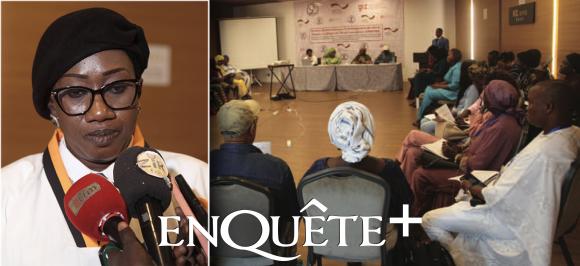
Despite being hailed as a democratic model in Africa, Senegal continues to grapple with significant challenges in achieving equitable gender representation in leadership roles. Recent data reveals a concerning decline in women’s political participation, with only 18 women serving as mayors out of 558 communes and just three women presiding over departmental councils out of 43.
During a two-day seminar on women’s political engagement, Bator Seck, Senegalese focal point for the Réseau des femmes leaders pour le développement (RFLD), highlighted the stark contrast between the country’s legal advancements and ground realities. While Senegal boasts a 2010 gender parity law, a 2001 Constitution enshrining gender equality, and ratification of key international conventions, these milestones have yet to translate into meaningful representation.
Legislative setbacks and structural barriers
Analyzing the November 2024 legislative elections, Seck noted a troubling trend: women’s representation in the National Assembly dropped from 44.2% to 41%. Even more striking, only 13% of top electoral list positions were held by women. This regression underscores deep-rooted obstacles—cultural resistance, unequal access to political financing, limited media visibility, and entrenched institutional barriers—that persist despite legislative progress.
Seck emphasized, “These figures are not mere statistics. They reflect systemic hurdles that deny women equal opportunities to lead. Senegalese women already drive community development, bolster local economies, champion social causes, and foster peace. The question is no longer whether they can govern—it is why political systems continue to exclude them from leadership.”
Afrofeminist solidarity to drive change
The RFLD’s initiative, supported by the Afrofeminist Initiative for Human Rights Development in Francophone West Africa, brings together a diverse cohort of 30 women leaders—parliamentarians, party heads, local officials, activists, and civil society leaders. Their shared mission: to dismantle barriers to women’s political participation through shared experiences, strategic advocacy, and collective action.
Seck asserted, “Democracy cannot be complete when women remain sidelined in decision-making. Senegal’s future must be built with women, not merely for them.” The RFLD’s work spans legislative advocacy, community organizing, local funding, open data initiatives, and rights defense—earning it continental recognition, including observer status at the African Commission on Human and Peoples’ Rights.
Building confidence and skills for leadership
Maman Diouf Fall, representing the Ministry of Family and Social Solidarity, identified self-confidence and capacity-building as critical gaps. Many women, despite possessing the skills and legitimacy, hesitate to pursue leadership due to societal pressures, persistent stereotypes, and lack of structured support.
Fall stressed the need for targeted training in political communication, public speaking, governance, and digital tools, particularly for rural women who face additional barriers to accessing such opportunities. She highlighted the importance of mentorship programs, intergenerational networks, and economic empowerment as essential pillars for sustainable political inclusion.
She added, “True progress requires transforming social norms, fostering leadership excellence, and ensuring women’s financial autonomy. Without these, progress will remain superficial.”
Through collaborative efforts with technical partners, local authorities, and grassroots organizations, the Ministry is advancing initiatives like leadership training, civic education, and protection programs for vulnerable groups. These efforts aim to create an enabling environment where women and girls can thrive in public life—free from discrimination and fully empowered to shape Senegal’s future.