Sénégal’s anti-lgbtq law sparks debate amid french criticism
Senegal’s anti-LGBTQ+ stance draws international condemnation amid rising repression
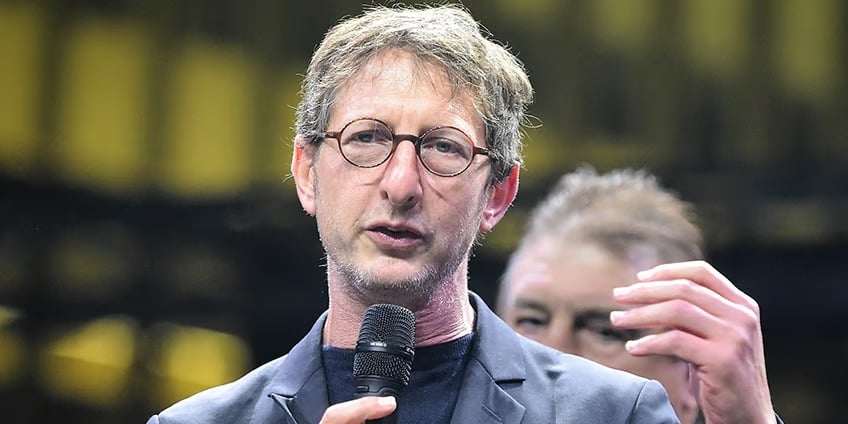
A recent op-ed by Paris Centre Mayor Ariel Weil has reignited global discussions on human rights and state sovereignty, particularly regarding Senegal’s stringent anti-homosexuality laws. Published during the International Day Against Homophobia, the mayor’s remarks underscore growing tensions between international human rights commitments and national legislation.
Paris’ mayor condemns Senegal’s escalating crackdown on LGBTQ+ communities
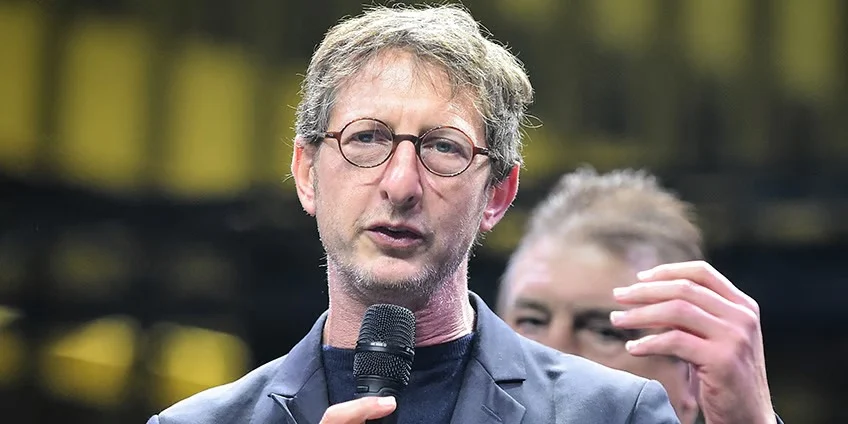
Ariel Weil, a prominent French politician and close ally of Paris Mayor Anne Hidalgo, has sharply criticized Senegal’s evolving legal stance on homosexuality. In his widely circulated op-ed, he describes the current environment as one of systematic persecution, where LGBTQ+ individuals face heightened surveillance, legal penalties, and a climate of fear.
Weil’s statement, released during a period of heightened global awareness for LGBTQ+ rights, frames the issue not merely as a cultural or moral debate but as a direct violation of international human rights standards. The mayor’s strong language—particularly his use of terms like “hunt” and “regression”—has intensified scrutiny on Dakar’s policies and their alignment with global commitments to equality and dignity.
New legislation intensifies penalties for LGBTQ+ expressions in Senegal
In March 2026, Senegal’s National Assembly passed amendments to existing laws, significantly increasing penalties for same-sex relationships. Under the revised legislation, individuals convicted of homosexual acts now face imprisonment ranging from five to ten years, alongside additional penalties for promoting or financing such relationships. The bill was subsequently signed into law by the Senegalese president, solidifying its place in the country’s legal framework.
Critics, including Ariel Weil, argue that these developments represent a stark departure from Senegal’s previous stance on human rights and commitment to international conventions. The mayor has called on Senegal’s global partners to take a firm stand against the legislation, warning that silence would be interpreted as tacit approval of oppressive practices.
Diplomatic fallout from direct criticism of Senegal’s policies
The mayor’s unfiltered critique has sparked mixed reactions, with some praising his bold stance while others question the appropriateness of external actors publicly challenging national sovereignty. By characterizing the situation as a “civilizational regression,” Ariel Weil has positioned the debate at the intersection of human rights advocacy and diplomatic norms, challenging traditional approaches to international engagement on contentious social issues.