Geopolitical tensions in Mali between Morocco and Algeria
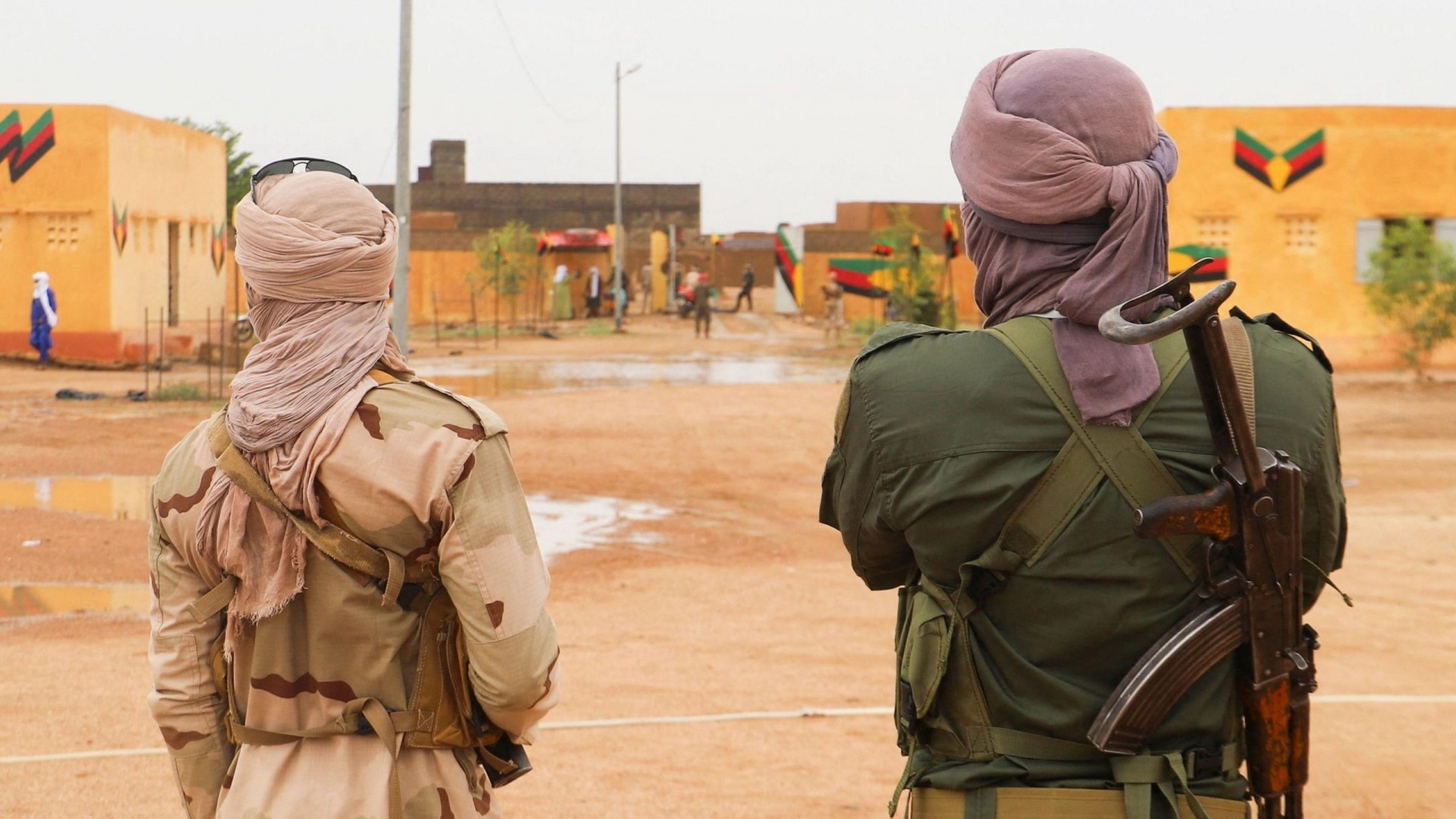
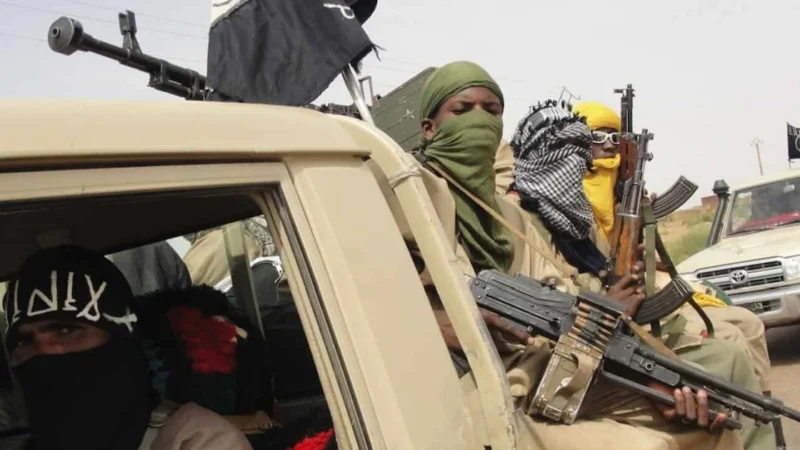
The latest surge in violence by the Group for the Support of Islam and Muslims (JNIM)-Front de Libération du Azawad (FLA) has reignited scrutiny over Algeria’s role in Mali’s deepening crisis. Far from the neutral mediator it claims to be, Algiers is actively shaping the conflict’s trajectory, sustaining a precarious balance of power in its southern neighbor.
Algeria’s calculated influence in Mali’s instability
Observers note that Algeria maintains a deliberate strategy of “controlled tension” in Mali, leveraging local armed factions to advance its geopolitical interests. This approach contrasts sharply with Morocco’s more visible diplomatic engagements, particularly in fostering economic and security partnerships with Bamako. The divergence has turned Mali into a proxy battleground for North African power plays.
JNIM-FLA’s offensive: a symptom of deeper rivalries
The coordinated offensive by Islamist militants has exposed how regional rivalries—especially between Morocco and Algeria—exacerbate Mali’s fragility. While Rabat has prioritized stability through trade and infrastructure deals, Algiers appears to favor a fractured Malian state as a buffer against Moroccan influence. Analysts warn that this proxy dynamic risks prolonging Mali’s decade-long turmoil.
Morocco’s counter-strategy: stability through partnership
Morocco’s response has focused on strengthening ties with Mali’s transitional government, offering development aid and counterterrorism cooperation. This pragmatic approach seeks to counter Algeria’s destabilizing maneuvers while positioning Casablanca as a key player in Sahelian security. The strategy includes investments in transportation corridors and renewable energy projects, aiming to integrate Mali into Morocco’s economic sphere.
International reactions: a divided response
International actors remain divided over the regional tensions. Some Western partners favor Morocco’s state-building model, while others express caution over Algiers’ covert involvement. The African Union has yet to take a unified stance, with member states split along ideological lines. Meanwhile, Mali’s civilian population bears the brunt of the proxy conflict, facing renewed violence and economic hardship.
Future implications for the Sahel
As Morocco and Algeria escalate their rivalry, the Sahel risks becoming a permanent theater of proxy warfare. Regional organizations like ECOWAS face mounting pressure to mediate, but their effectiveness is undermined by internal divisions. The Malian crisis now serves as a litmus test for Africa’s ability to resolve intra-continental disputes without external interference.