Niger’s economic shift: Niamey signs oil deals with China amid financial strain
What began as a bold declaration of economic sovereignty has quickly given way to a pragmatic retreat in Niamey. Facing a tightening financial squeeze, Niger’s military-led government has inked a series of oil agreements with the China National Petroleum Corporation (CNPC), a move that underscores the nation’s urgent need for foreign currency rather than a true shift in strategic alignment.
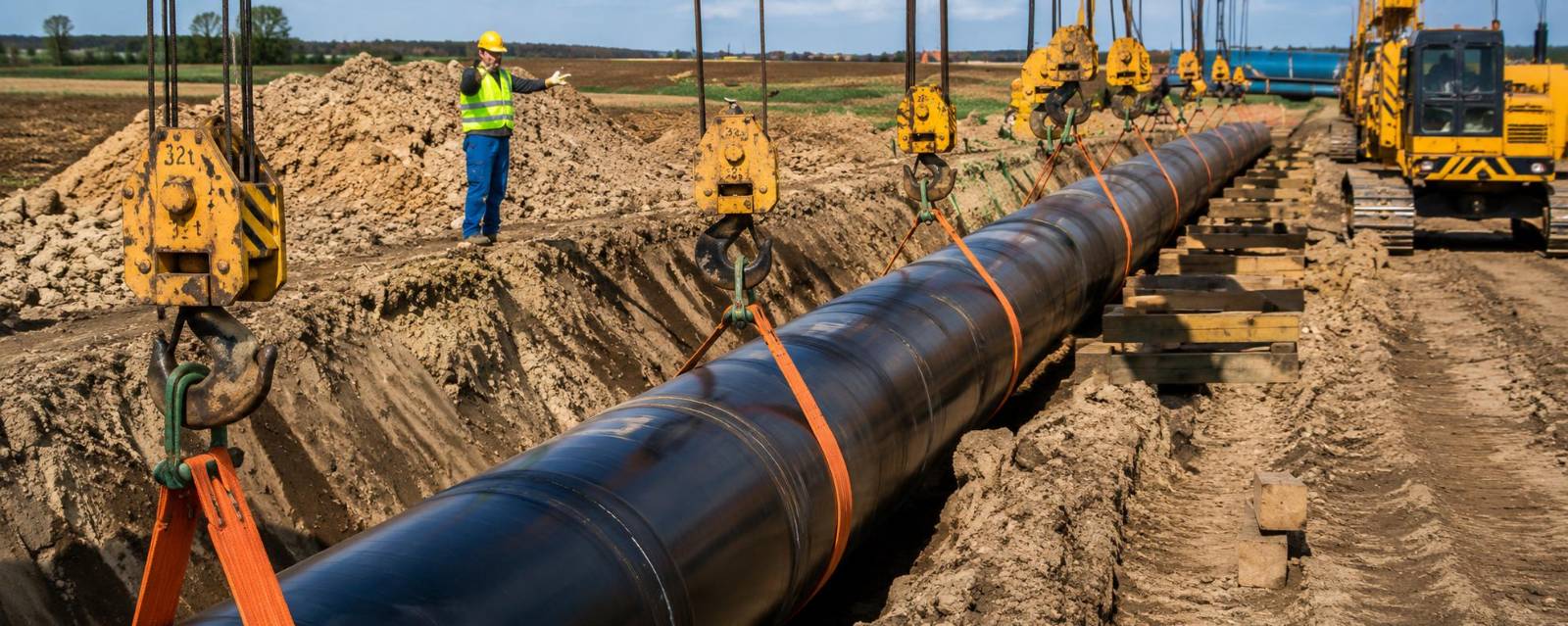
For months, authorities in Niger’s capital had maintained a defiant stance against Chinese oil majors, insisting on sweeping revisions to the terms governing crude extraction and the West African Pipeline Company (WAPCO) infrastructure. Yet, the stern rhetoric collided with harsh economic realities. With key regional and international financial backers stepping back, the government had little choice but to return to the negotiating table—not as an equal partner, but as a desperate borrower.
While officials celebrated the deal as a milestone in ‘Nigerienizing’ jobs and boosting state participation to 45% in WAPCO, the underlying motive was far more immediate: securing swift oil flows to inject much-needed foreign exchange into a near-empty treasury. The clock was ticking, and the cost of inaction—suspended public services, delayed salaries, and stalled development—was becoming unsustainable.
Whispers of a lifeline for the regime
Critics, both within political circles and among independent financial analysts, argue that the haste to finalize these agreements reveals deeper, less transparent motives. Rather than serving the broader public good, they suggest, the newfound liquidity could become a tool for regime survival—one that bypasses conventional international oversight and risks further eroding governance standards. The fear? That oil revenues, instead of funding schools, hospitals, or roads, may vanish into opaque financial channels, fueling patronage networks rather than national progress.
From rhetoric to reality: trading one dependence for another
By deepening its ties with Chinese state-owned enterprises, Niger has not reduced its reliance on external actors—it has merely recast it. The concessions secured, such as adjusted wage frameworks at the Soraz refinery or local subcontracting quotas, are overshadowed by the entrenched control Chinese firms retain across the entire oil value chain, from drilling to maritime export. In a region where extractive industries often empower central authorities at the expense of inclusive growth, Niger now faces a critical test: will these Chinese-led funds flow into the coffers of the nation or into the pockets of a leadership scrambling to legitimize its rule?
The stakes could not be higher. With public confidence eroding and international partners watching closely, the government’s next moves will determine whether this pivot toward Beijing translates into lasting stability—or merely another chapter in the cycle of resource-driven mismanagement.