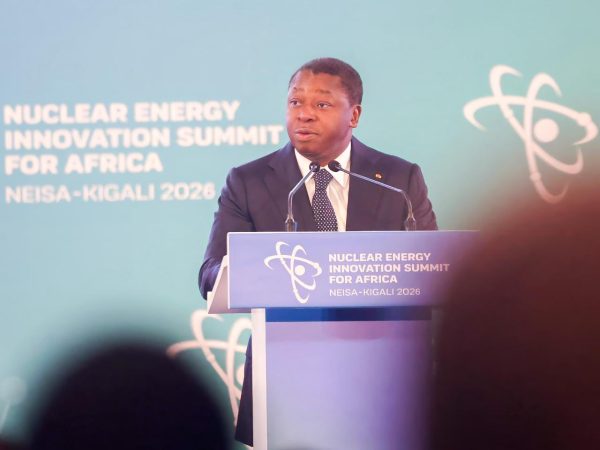
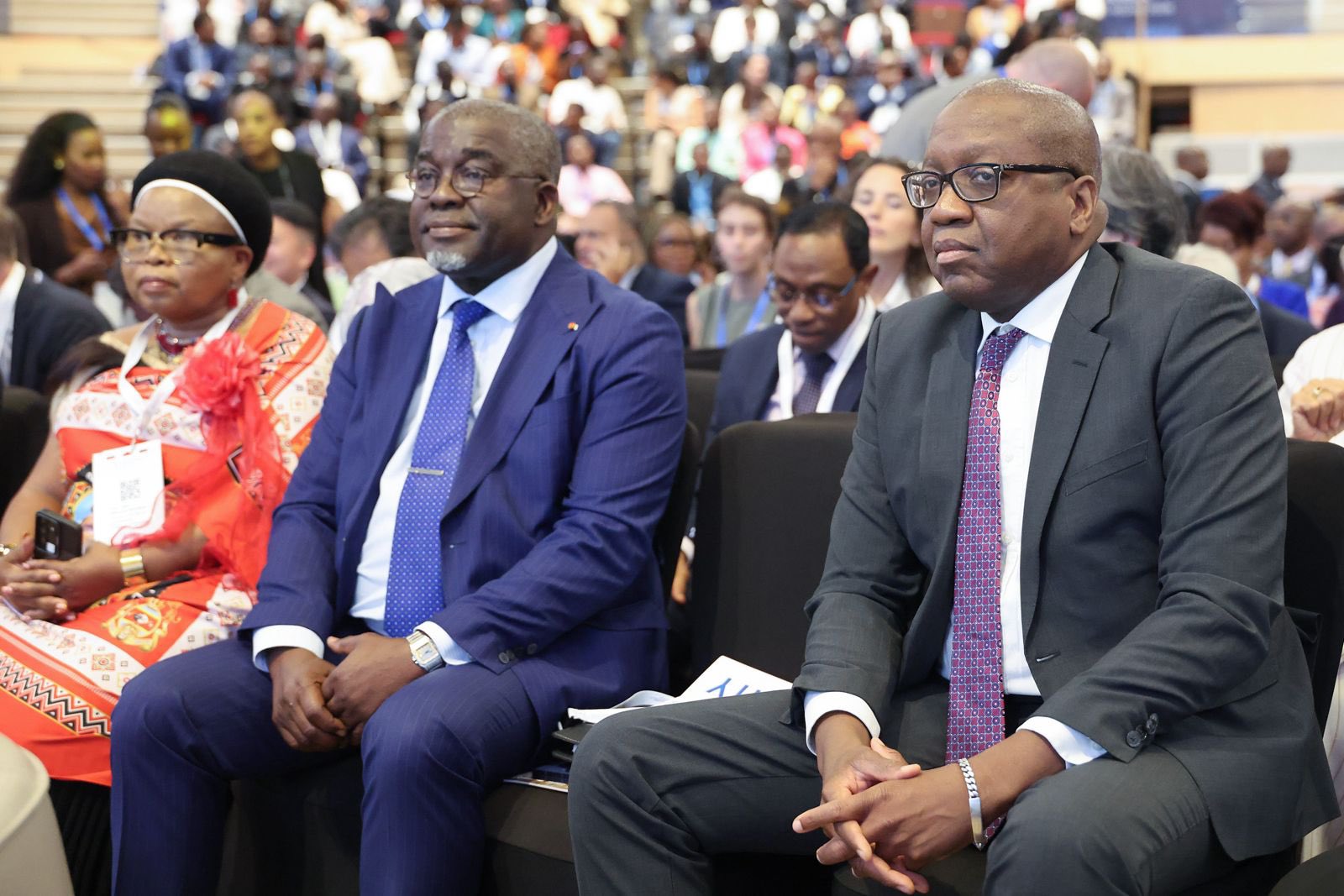
Kigali, May 20, 2026 — The air in Kigali’s convention center buzzed with urgency as African leaders, nuclear energy experts, investors, and international partners gathered for the second edition of the Nuclear Energy Innovation Summit in Africa (NEISA 2026). The event, held on May 19, crystallized the continent’s growing resolve to reshape its energy landscape amid pressing shortages and soaring ambitions.
ADVERTISING
Among the delegates, Faure Essozimna Gnassingbé, President of Togo, delivered a powerful message: Africa cannot afford to merely react to today’s energy crises—it must invest in technologies that will power tomorrow’s economic transformation.
In his address, the Togolese leader underscored the critical need for African nations to align their energy strategies with industrialization, demographic growth, and the rapid expansion of digital economies. The summit’s discussions revealed a shared conviction across the continent: without reliable, cost-effective, and sustainable energy, Africa’s industrial ambitions risk stalling.
Nuclear energy emerges as Africa’s next frontier
At NEISA 2026, civil nuclear energy emerged as a pivotal topic. Once dismissed as financially and technically out of reach for many African nations, this sector is now being reconsidered as a cornerstone of the continent’s energy strategies.
For many participants, the focus has shifted beyond mere electricity generation. The discussions centered on sovereignty, industrial competitiveness, and energy security. Togo, in particular, championed an approach built on innovative partnerships, diversified energy sources, and strengthened regional cooperation.
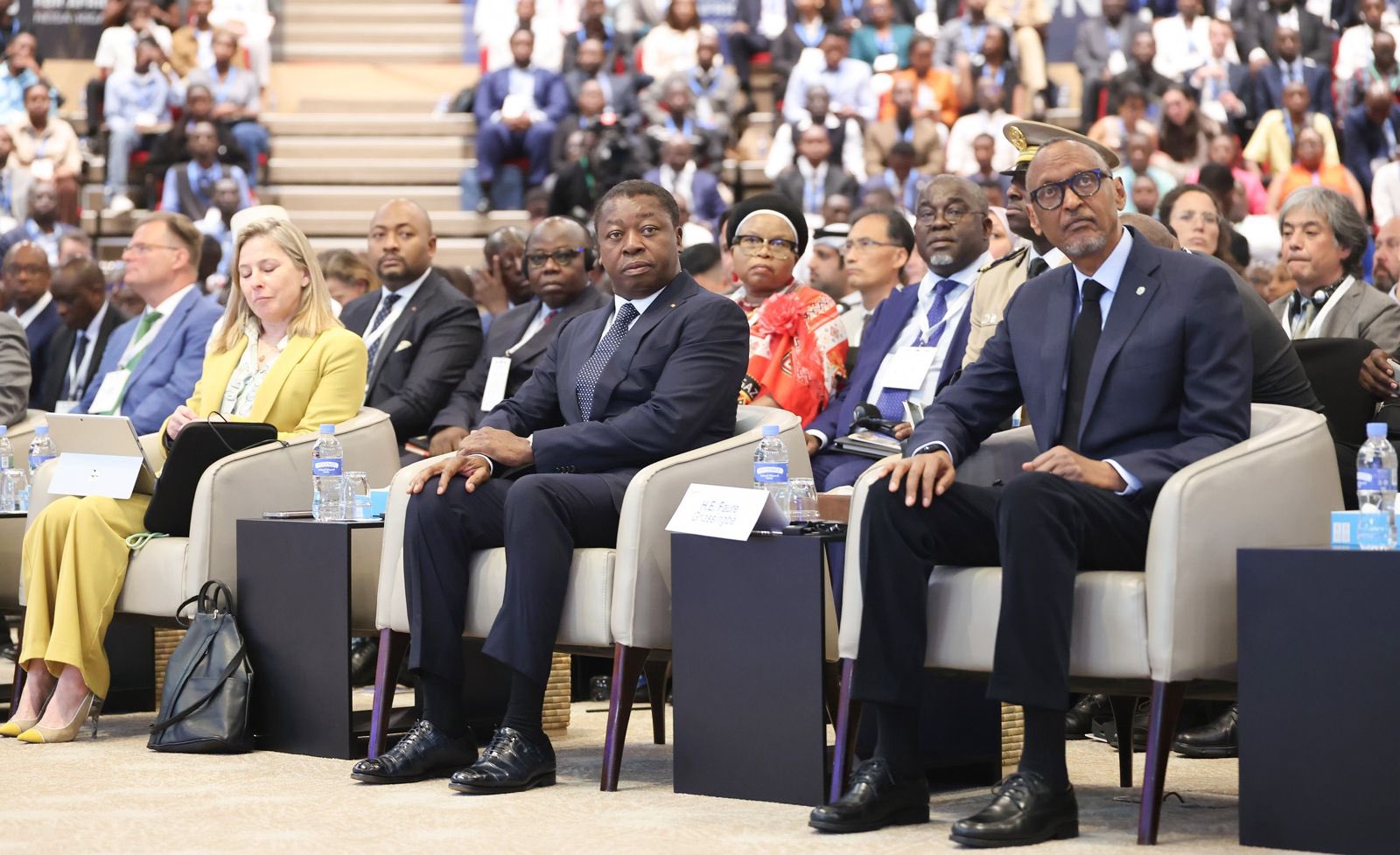
Togo’s vision: cooperation, innovation, and energy sovereignty
Faure Essozimna Gnassingbé’s vision for Africa’s energy future is clear: energy access must become a catalyst for economic transformation. Togo is banking on international collaborations that bring technical expertise, financing, and cutting-edge technology to the table.
The summit’s agenda extended beyond nuclear power, covering energy infrastructure, smart grids, financing for the energy transition, and local skills development. These issues are vital for African economies grappling with surging energy demand and the imperative to build resilient, future-proof systems.
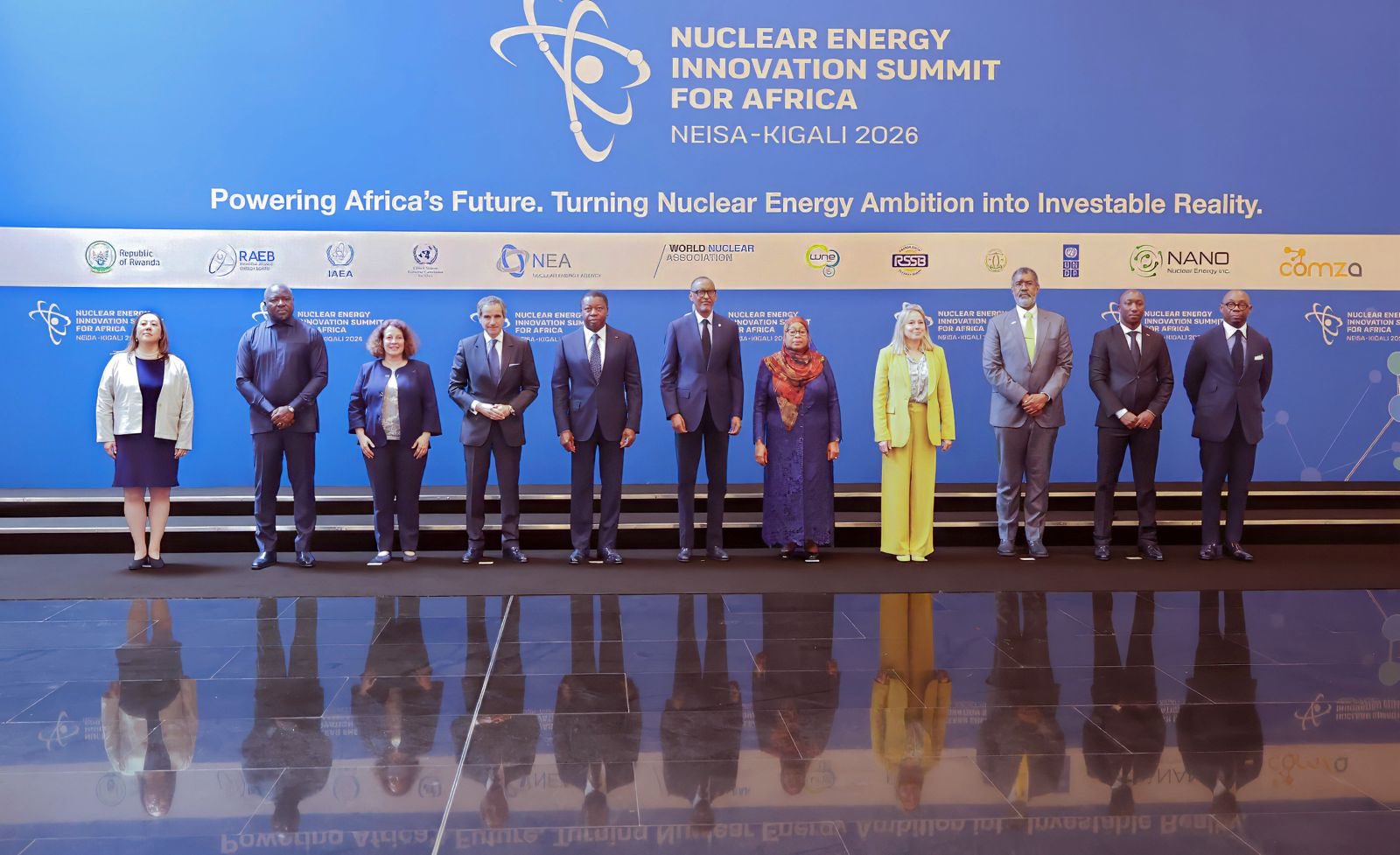
Kigali’s summit: a turning point for African energy sovereignty
The NEISA 2026 discussions in Kigali reflected a continent ready to move beyond reactive energy policies. Leaders emphasized the need for long-term solutions that align with Africa’s growing technological and industrial ambitions.
Togo positioned itself as a proactive advocate for this shift, advocating for stronger African cooperation, greater energy autonomy, and a bold embrace of innovation. The summit underscored a pivotal shift: Africa is increasingly determined to shape its own energy destiny on its own terms.