Sénégal space week kicks off in Dakar to drive aerospace innovation
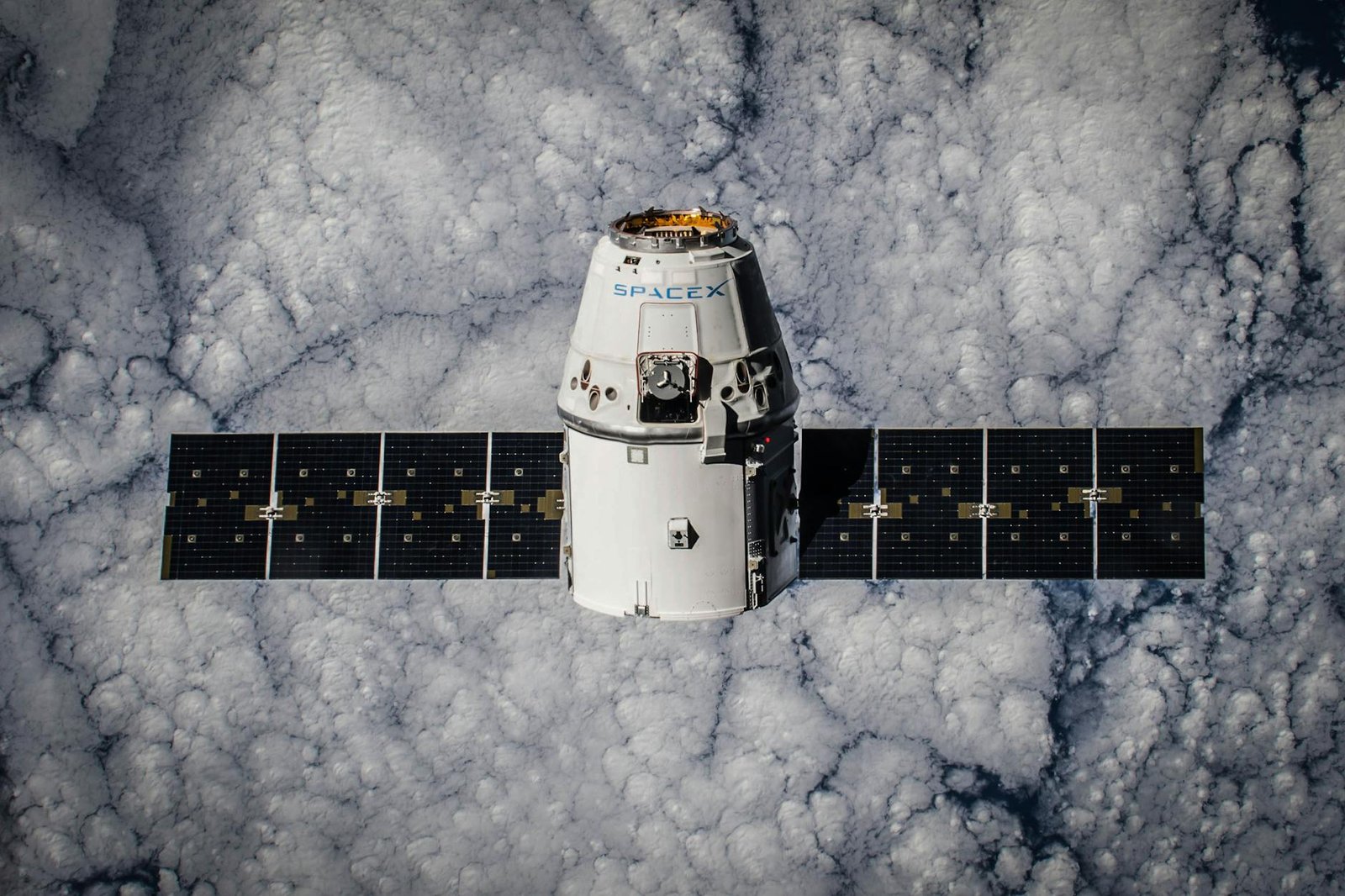
The inaugural Sénégal Space Week has officially launched in Dakar, signaling the nation’s clear intent to establish itself as a premier African center for space and technology. Organized by the Agence sénégalaise d’études spatiales (ASES), this landmark event brings together government officials, industrial leaders, and academic experts to discuss the strategic future of the sector. This initiative builds on the momentum generated in 2023 by the launch of GaindeSAT-1A, the first satellite designed with significant input from local engineers.
Technological sovereignty through space exploration
For the authorities in Sénégal, the space sector is more than just a scientific endeavor; it is a vital tool for national sovereignty and economic growth. The applications are diverse, ranging from Earth observation and telecommunications to the management of natural resources and maritime surveillance. These tools are essential for the country’s key economic sectors, such as agriculture, fisheries, and urban development. By developing internal capabilities, Dakar aims to decrease its reliance on international providers for critical satellite imagery and geolocation services.
This strategic shift mirrors a broader trend in African politics regarding technological independence. Roughly twenty African nations now manage their own space programs, supported by the African Space Agency, which opened its headquarters in Cairo in 2023. While Sénégal is a newer entrant in this field, it is focusing on specialized niches like nanosatellites and data processing, rather than attempting to build a heavy industrial infrastructure immediately.
Training the next generation and attracting investment
A major focus of the discussions during Space Week is the development of human capital. Local institutions, including the Université Cheikh Anta Diop and the École polytechnique de Thiès, are integrating space technology into their curricula. The goal is to produce a skilled workforce capable of designing and operating complex orbital systems. This educational push is bolstered by collaborations with international partners, including agencies from France and Turkey.
Beyond academia, the event is a platform to attract private capital. Meetings with investment funds and satellite service companies highlight the massive potential of the regional market, which experts value at over $22 billion by 2026. Driven by the need for better connectivity and climate data, Sénégal hopes to position itself as a regional gateway between West African markets and Atlantic trade routes.
Navigating regional competition and funding challenges
Sénégal faces stiff competition from established players like Nigeria, South Africa, Egypt, and Morocco, all of which possess more mature aerospace ecosystems. Additionally, Rwanda has made significant strides through partnerships with global firms. To stand out, Sénégal is emphasizing its institutional stability and its strategic role within ECOWAS to attract foreign investors looking for reliable partners in Africa news English coverage of the sector.
However, financial hurdles remain. The budget for ASES is currently modest compared to its continental peers, necessitating a hybrid funding model. This approach will likely combine government subsidies with public-private partnerships and international cooperation. Several major contracts regarding coastal surveillance and agricultural monitoring are expected to be announced before the event concludes.
Ultimately, Sénégal Space Week functions as a diplomatic showcase. By hosting international delegations, Dakar is asserting its role in the global conversation on digital and space sovereignty. The long-term success of this vision will depend on turning political will into sustainable scientific programs and concrete industrial orders.