Niger resolves oil dispute with China amid economic stakes
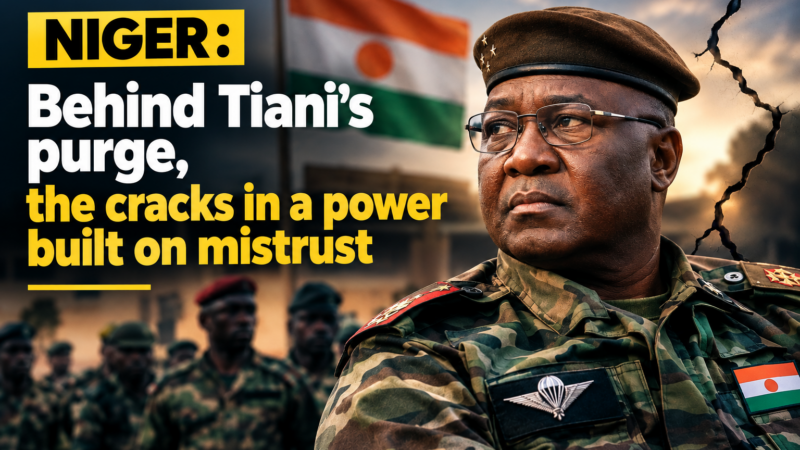
After months of simmering tensions, Niger and its Chinese oil partners have officially closed a prolonged dispute that threatened the nation’s most vital revenue stream. Niamey announced the successful conclusion of negotiations with companies managing upstream oil production and the pipeline transporting Nigerien crude to the Atlantic. The resolution marks the end of a lingering conflict that emerged shortly after General Abdourahamane Tiani’s rise to leadership in July 2023, a crisis that risked derailing the country’s economic lifeline.
Oil tensions escalate under military leadership
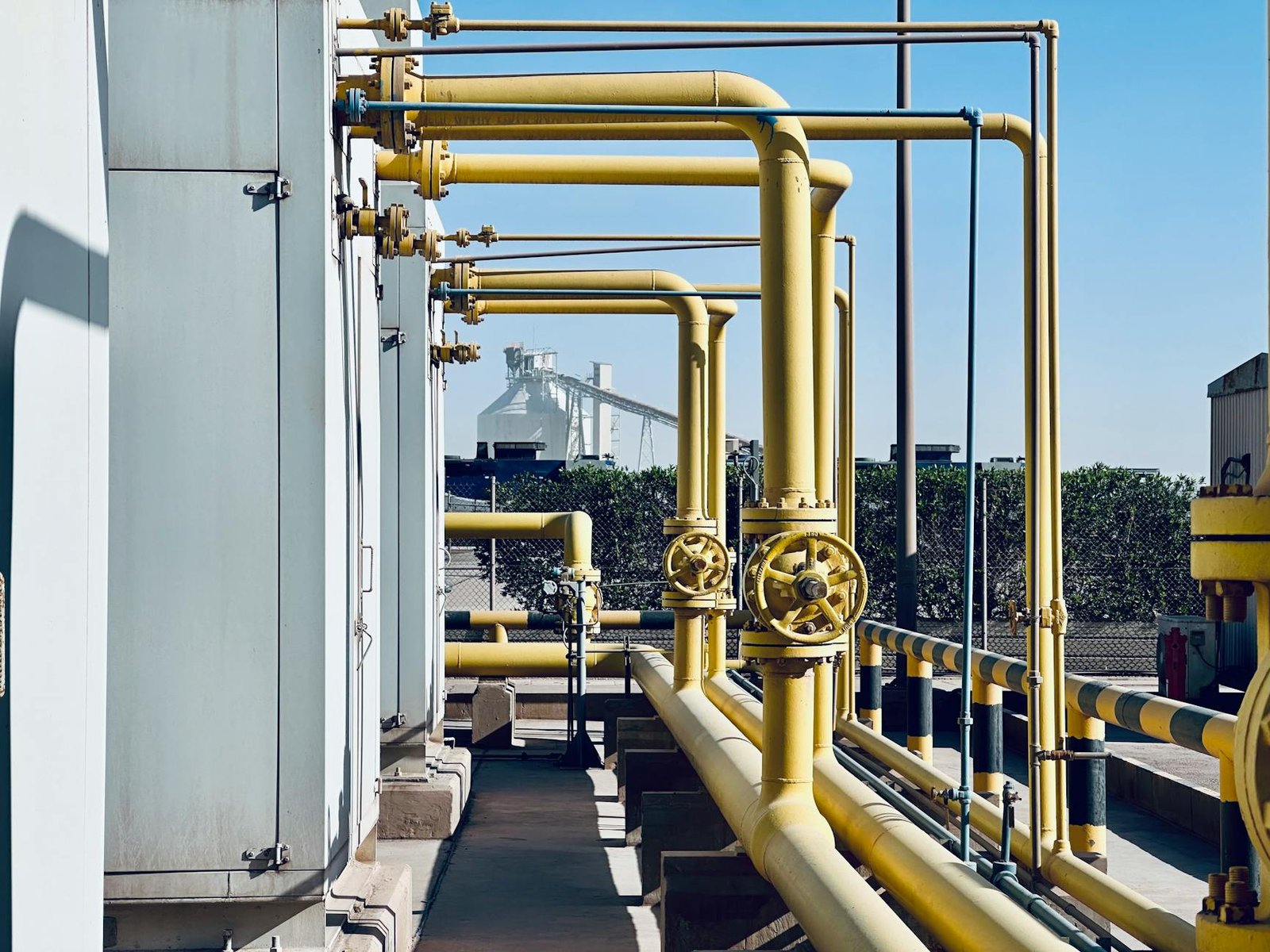
The confrontation between Nigerien authorities and Chinese operators centered on critical issues: contract financial terms, tax obligations, local governance of joint ventures, and employment conditions for expatriate staff. The China National Petroleum Corporation (CNPC), a long-standing key player in Niger’s oil sector, oversees both the Agadem oilfield and a majority stake in the pipeline linking southeastern Niger to the port of Sèmè in Bénin. This 2,000-kilometer conduit, operational since 2024, was intended to position Niger among net hydrocarbon exporters. However, strained political ties between Niamey and Cotonou—stemming from the 2023 coup and subsequent regional sanctions—complicated project execution. Chinese teams faced expulsions and work permit revocations early this year, while Niamey accused partners of delaying a $400 million advance tied to future oil sales.
Behind-the-scenes mediation yields breakthrough
Intensive, closed-door negotiations involved envoys dispatched from Beijing alongside Nigerien petroleum ministry officials. The final compromise addresses revised tax structures, staggered financial commitments, and updated protocols for Chinese personnel deployment. The transitional government frames this resolution as a testament to its economic sovereignty agenda, achieved without severing ties with a two-decade-long strategic partner. The timing carries strategic weight: amid regional instability and severed Western partnerships, Niger views oil revenue as a cornerstone for short-term macroeconomic stability. Authorities anticipate a sharp rise in pipeline exports, contingent on restored logistical ties with Bénin and full reactivation of Chinese-operated facilities.
China’s Sahel strategy gains momentum
For Beijing, resolving the dispute carries implications beyond Niger’s borders. The CNPC and affiliates have invested billions across Niger’s oil value chain; a failed resolution would have undermined China’s credibility in other Sahelian markets revising mining and energy partnerships. Conversely, a negotiated outcome—without rupture—reinforces China’s narrative as a pragmatic partner, willing to engage with contested regimes on equal footing. Yet unresolved hurdles remain: until relations with Cotonou fully normalize, pipeline throughput will lag behind its 90,000-barrel daily capacity. Niamey is exploring alternative routes, including a potential link through Tchad, though industrial feasibility remains uncertain. The agreement with Chinese firms buys time but does not eliminate all structural bottlenecks in the oil sector.