How Mali’s leader tightened grip on power after april 25 attacks
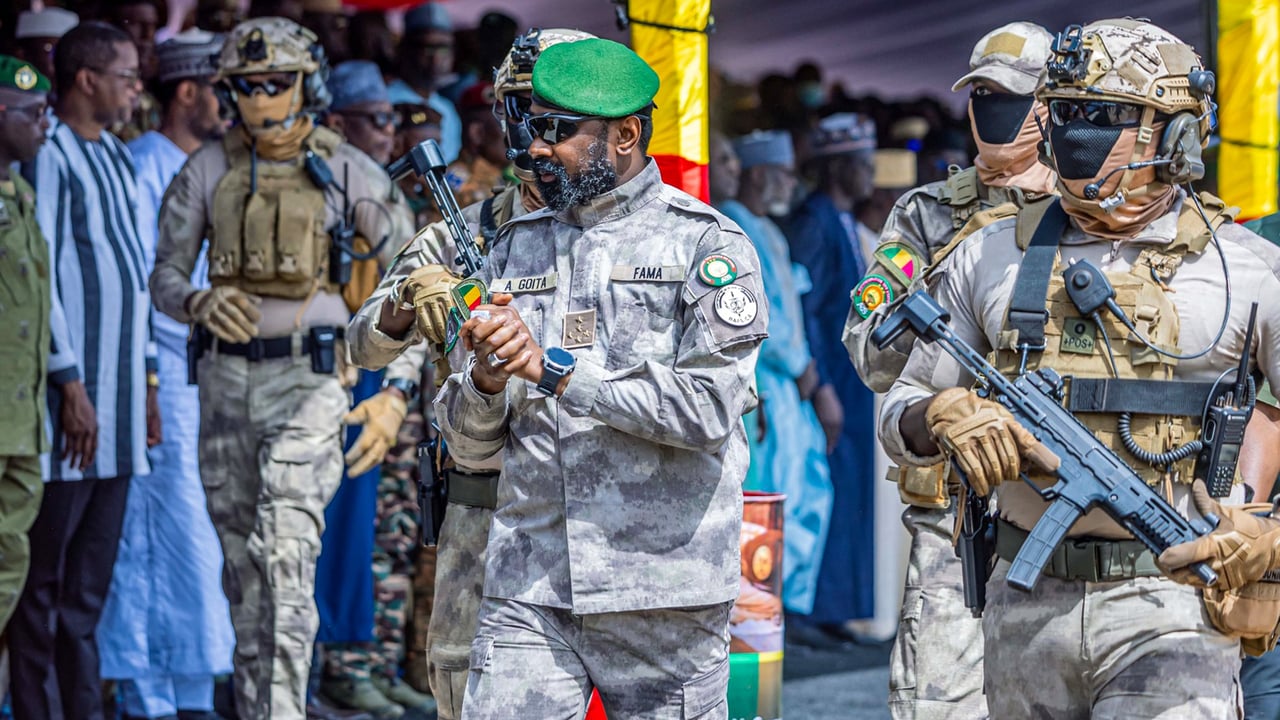

Following the deadly attacks that rocked Bamako on April 25, 2026, Mali’s transitional leader Assimi Goïta has taken decisive steps to consolidate his authority and reshape the country’s political landscape. The events of that day, which left scores dead and exposed vulnerabilities in national security, served as a catalyst for a series of strategic moves by the interim administration.
From crisis to control: Goïta’s post-attack strategy
The April 25 assaults, attributed to extremist factions, not only claimed lives but also shook public confidence in the transitional government’s ability to ensure stability. In response, Assimi Goïta launched a bold political offensive, repositioning key allies and reinforcing military structures. By mid-May, the government had announced sweeping reforms aimed at tightening governance and accelerating the return to constitutional order.
Key appointments and military reshuffles
Central to Goïta’s strategy was a meticulous overhaul of the security apparatus. Several high-ranking officers, including those linked to the controversial Africa Corps, were reassigned to critical posts. These changes were framed as necessary to streamline decision-making and eliminate bureaucratic bottlenecks that had hindered previous counter-terrorism efforts.
Meanwhile, the transitional government moved swiftly to appoint loyalists to pivotal civilian roles, ensuring that both the military and administrative branches aligned with the president’s vision. These appointments were not merely symbolic; they reflected a calculated effort to centralize power under a unified command structure.
Public response and political fallout
While some citizens praised the government’s firm stance against instability, others voiced concerns over the rapid consolidation of authority. Critics argue that the reforms risk undermining democratic principles, particularly as the transitional timeline for elections remains ambiguous. Protests erupted in parts of Bamako, with demonstrators demanding transparency and a clear roadmap for civilian rule.
The government’s narrative, however, has framed these measures as essential to restoring peace and thwarting external interference. Official statements highlighted the need to counter foreign-backed destabilization efforts, a recurring theme in recent political discourse.
Economic and diplomatic maneuvers
Beyond domestic restructuring, Assimi Goïta has leveraged the post-attack momentum to renegotiate Mali’s international partnerships. Discussions with regional blocs and global powers have intensified, with the transitional leader positioning himself as a key player in Sahel security dynamics. Analysts note that these diplomatic overtures aim to secure much-needed financial and logistical support while reducing reliance on former colonial allies.
The government’s pivot toward alternative alliances, including tentative engagements with Moscow, has drawn both praise and skepticism. Proponents argue that diversifying partnerships is a pragmatic response to geopolitical shifts, while detractors warn of potential long-term consequences for Mali’s sovereignty.
What’s next for Mali?
As Mali navigates this critical juncture, the coming months will be decisive. The transitional government faces mounting pressure to deliver on its promises of stability and credible elections. Yet, the shadow of April’s attacks looms large, serving as both a justification for Goïta’s actions and a reminder of the challenges ahead.
For now, the leader’s grip on power appears stronger than ever, but the true test will be whether these reforms translate into tangible security and governance improvements for the Malian people.