Senegal’s students bridge campus and political arena
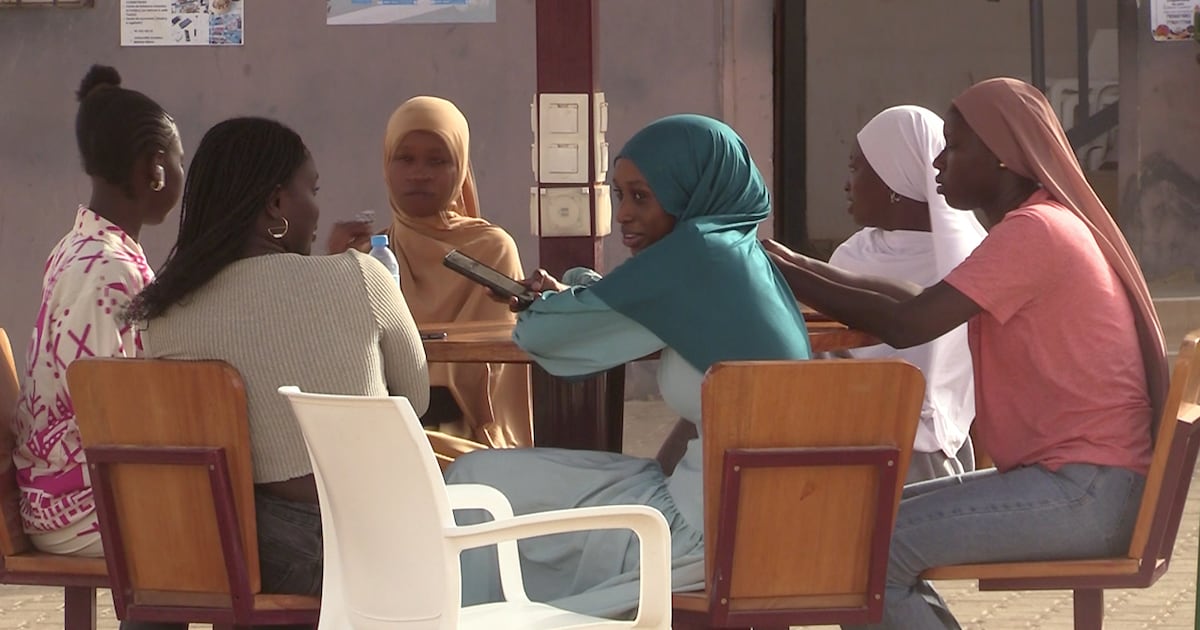
In Senegal, a growing number of university students are embracing politics as a meaningful extension of their academic journeys. For these young minds, active citizenship is not a distraction but a vital component of their personal and professional development.
The idea of merging classroom learning with political engagement resonates deeply with many. Students view this approach as a way to bridge theory and practice, gaining firsthand insights into the challenges facing their nation. Rather than seeing politics as a barrier to academic success, they perceive it as a complementary force that enriches their understanding of governance and society.
From lecture halls to political platforms
For Adama Lam, a law student, joining a political movement is a strategic step toward building a future career. He believes that engaging with diverse political groups helps shape critical thinking and prepares students for leadership roles. Reflecting on his perspective, he says:
«As a law student, I see political involvement as an extension of my academic pursuits. The classroom provides knowledge, but the political arena offers the chance to apply it meaningfully. Striking the right balance between the two is essential—studies lay the foundation, while politics gives purpose to that knowledge.»
Balancing ambition and civic duty
Not all students view politics as a career path. Some, like Amadou Saliou Diallo, see it as a moral obligation to contribute to their country’s progress. He emphasizes that political engagement does not require abandoning other professional aspirations:
«Politics isn’t a profession—it’s a calling. One can be a professional in any field while still contributing to national development. A chartered accountant, for instance, can actively participate in politics without sacrificing their career.»
The dual advantage of academic and political learning
For others, like Ousmane Seck, the fusion of academic and political experiences is a strategic advantage. He highlights how such engagement provides early exposure to policy frameworks, preparing students for future leadership:
«The combination of academic rigor and political awareness is invaluable. It allows us to familiarize ourselves with national programs and governance models early on. Whether we envision leading a political party or shaping national policies, this dual experience equips us with the tools to make informed decisions.»
The debate continues: should universities remain purely academic spaces, or should they also cultivate the next generation of political leaders? For these students, the answer is clear—they are already taking the initiative to shape their country’s future.