UNESCO Yaoundé hosts chadian delegation for digital education study mission
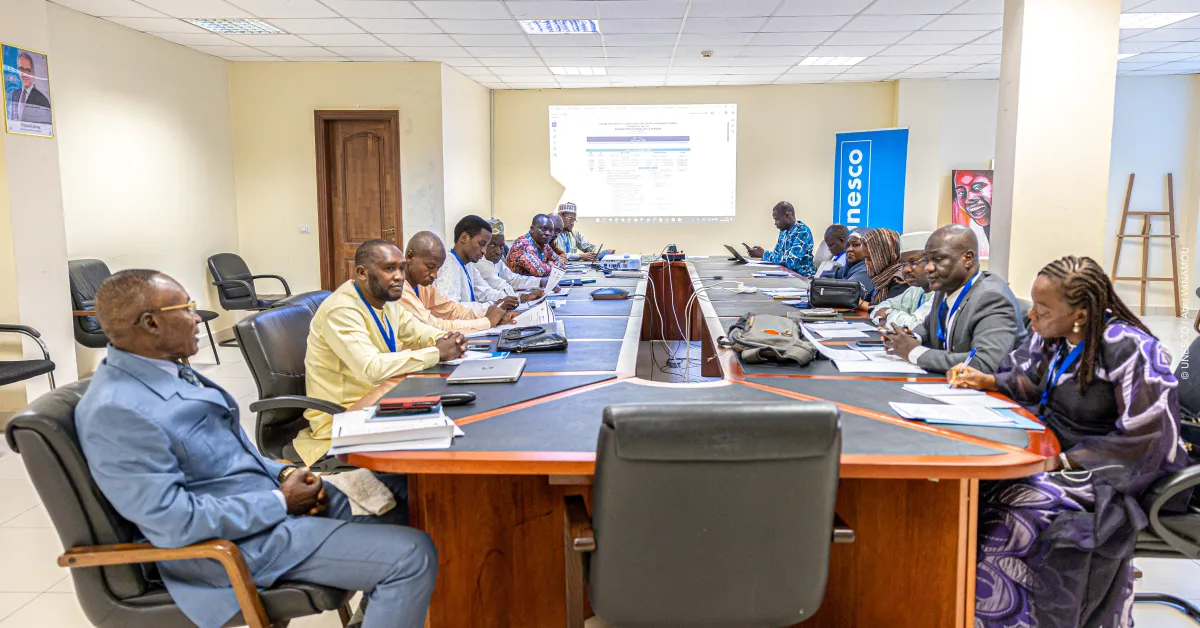
UNESCO Yaoundé hosts chadian delegation for digital education study mission
Study mission in Yaoundé strengthens digital education strategies for Chad’s evolving educational landscape
Regional collaboration drives digital transformation in African education
The UNESCO Regional Office for Central Africa in Yaoundé recently hosted a high-profile delegation from Chad as part of a strategic study mission focused on integrating Information and Communication Technologies (ICT) into education systems. The week-long program, held from April 20 to 24, 2026, aimed to foster peer learning and knowledge exchange between African nations committed to modernizing education through digital innovation.
This initiative aligns with Chad’s broader national development goals, including the 2022–2026 National Development Plan, the « Tchad Connexion 2030 » vision, the National Teacher Policy (PNET), and the Chadian School Refoundation Program (PRET). These frameworks emphasize inclusive, equitable, and quality education, supported by partnerships with global education initiatives such as the Global Partnership for Education, alongside technical assistance from UNESCO and UNICEF.
ICT as a catalyst for educational reform in Chad
In a context where structural challenges limit access to quality education, the integration of ICT emerges as a transformative solution. Chad’s PRET aims to gradually introduce digital tools that are accessible, low-tech, and adapted to local realities, ensuring sustainable systemic change.
The delegation’s visit to Cameroon—recognized for its advancements in digital education across formal and informal sectors—served as a key reference point. The study mission was meticulously designed to draw lessons from Cameroon’s experience, particularly in teacher training, digital tool deployment, and institutional coordination mechanisms.
Structured exchanges and technical workshops
The program included institutional meetings, technical workshops, and field visits, engaging educators, policymakers, and academic partners. At the Ministry of Basic Education (MINEDUB) in Cameroon, discussions covered pedagogical innovations, curriculum integration, infrastructure development, and partnership strategies essential for scaling digital education initiatives.
Participants examined Cameroon’s ICT integration model in depth, analyzing its pedagogical, curricular, and organizational dimensions. The sessions also highlighted teacher training programs, digital resource mobilization, and governance structures that support systemic digital transformation.
Methodology and expected outcomes
Beyond experience sharing, the mission employed a rigorous methodology combining document reviews, stakeholder interviews, field observations, and collaborative working sessions. This approach aimed to identify best practices, document transferable solutions, and tailor recommendations to Chad’s specific educational challenges.
Key deliverables include a comprehensive mission report, actionable policy recommendations, and a prioritized implementation roadmap to guide Chad’s ICT integration efforts. These outcomes are expected to accelerate the country’s transition toward a more resilient and digitally inclusive education system.
Strengthening regional cooperation for educational resilience
This initiative underscores the UNESCO Regional Office’s role as a catalyst for cross-border collaboration and knowledge exchange in Central Africa. By fostering mutual learning and adapting proven solutions, the mission contributes to building more resilient education systems across the sub-region—paving the way for sustainable digital transformation in African education.