Human rights groups urge jihadists to lift blockade in Mali
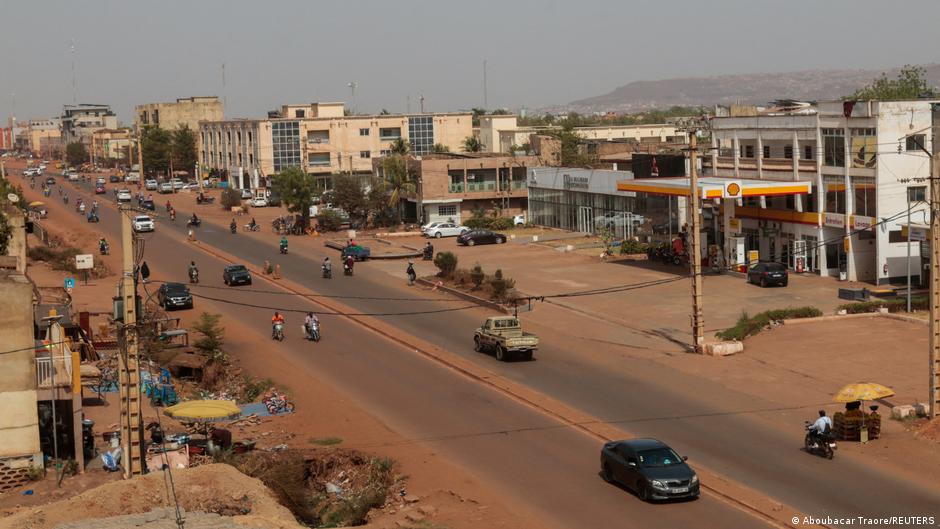
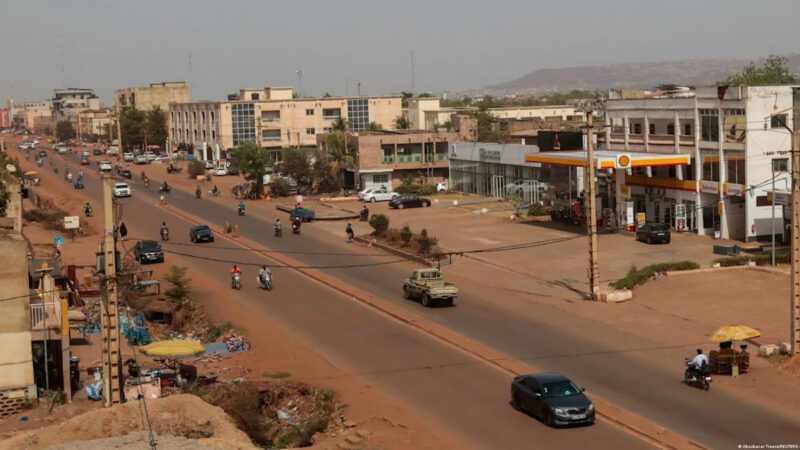
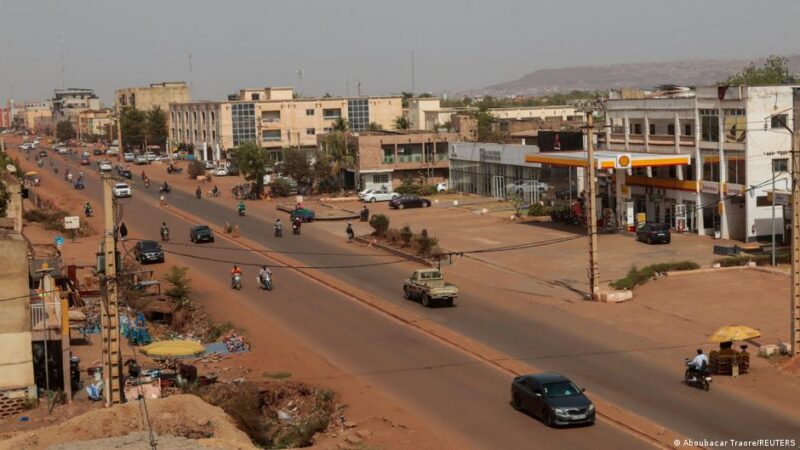
As the Group for the Support of Islam and Muslims (JNIM) tightens its grip on Bamako with a two-week blockade, civilians in central and northern Mali are bearing the brunt of escalating attacks. The humanitarian fallout is severe, with critical lifelines severed and communities cut off from essential supplies.
Amnesty International has issued an urgent appeal to the JNIM to restore civilian mobility and uphold international humanitarian law. The blockade, now in its third week, has choked off vital supply routes to Bamako, a landlocked capital heavily dependent on road imports. “The current blockade is inflicting unacceptable suffering on civilians, threatening their access to food, healthcare, and safety,” the organization stated.
On May 6, jihadist forces targeted a civilian convoy transporting goods—including fresh produce—between Bamako and Bougouni. According to Amnesty, the trucks carried no military personnel or equipment and lacked military escort, violating international norms.
military escalation in Kidal intensifies
The Malian army has vowed to intensify airstrikes on Kidal, a city under the control of Tuareg separatists from the Azawad Liberation Front (FLA) and their jihadist allies since late April. Military officials claim to have conducted multiple strikes on the city, while separatist leaders report holding 200 Malian soldiers captive following April 25 attacks.
A resident of Kidal described worsening conditions, citing power outages and disrupted phone lines to other northern cities. “People are confused and don’t know who to trust anymore,” she said.
In Gao, under government control, residents face rising food prices. A kilogram of onions has doubled in cost, and residents are urged to rely solely on official government statements for updates, reflecting deep mistrust in the region.
Independent analyst Hervé Lankoandé Wendyam warns of a growing divide: “There’s a clear push to separate the North from the rest of Mali. What’s unfolding in central Mali signals the JNIM’s intent to escalate hostilities by seizing urban centers.”
central Mali under jihadist sway
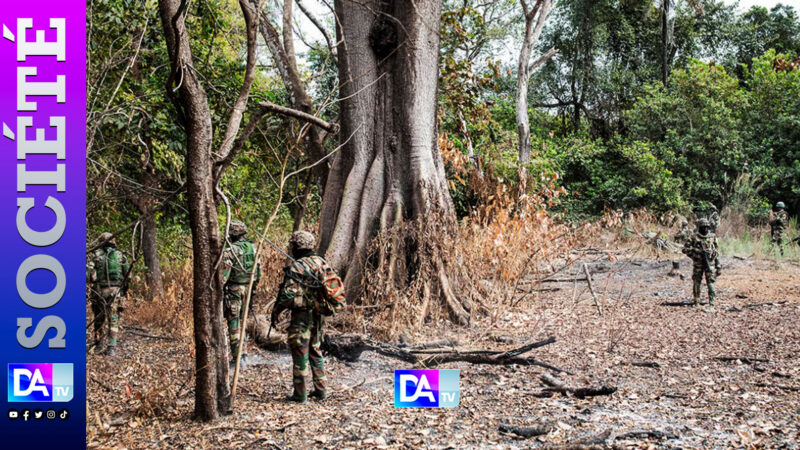
Local sources report jihadist control over key areas in central Mali, including the left bank of the Niger River in Ségou and parts of Koulikoro. Government presence is absent in these zones, where jihadists enforce zakat (religious tax) collection and shutter schools. Data from January indicates over 2,300 schools remain closed nationwide, with northern and central regions hit hardest.
Researcher Abdoulaye Sounaye notes both sides are in a phase of observation and rearmament. “The government appears poised to retaliate, while the JNIM and FLA prepare for potential military offensives. Civilians will inevitably suffer the consequences of renewed clashes.”
Experts emphasize that resolving Mali’s security crisis requires inclusive dialogue with all factions. “The government must engage with national elites across the political spectrum to negotiate a lasting solution,” argues Ahmed Ould Abdallah of the 4S Center. “Ignoring political grievances will only prolong the conflict.”
Ahmed Ould Abdallah predicts: “Eventually, all parties will be forced to the negotiating table to reach a compromise.” Meanwhile, Mali’s official stance remains opposed to talks with the FLA and JNIM, labeling them terrorist groups—but secret negotiations have occurred to secure fuel supplies.
key challenges ahead
- Restoration of civilian mobility and humanitarian access
- De-escalation of military tensions in Kidal and central Mali
- Implementation of inclusive dialogue to address political grievances