Human rights group urges jihadists to end blockade of Bamako
Human rights group urges jihadists to end blockade of Bamako
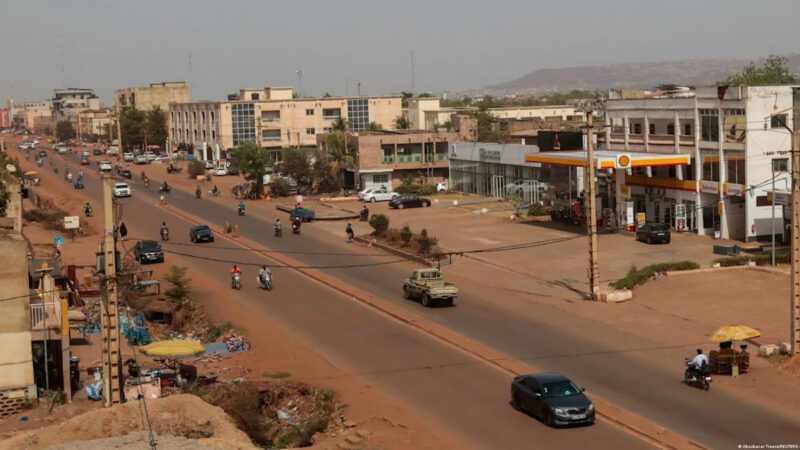
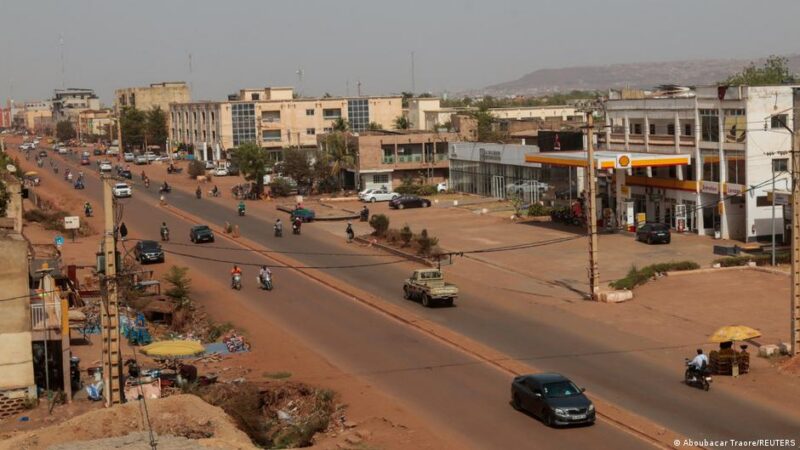
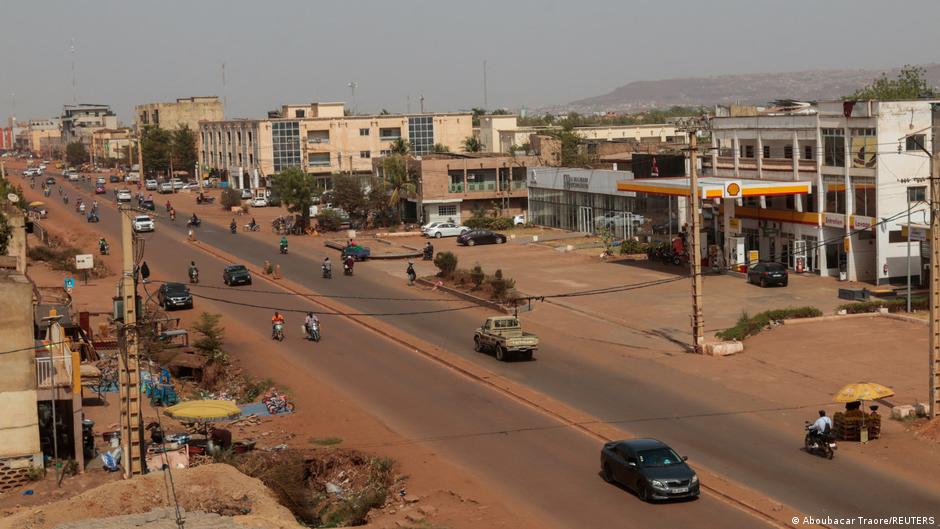
The international human rights organization Amnesty International has issued an urgent appeal to jihadist groups in Mali to cease their blockade of Bamako and restore the free movement of civilians. The ongoing road blockade, now in its third week, has severely disrupted supplies to the capital, which relies heavily on land-based imports due to the country’s landlocked geography.
“The current blockade of Bamako is creating unacceptable hardships for civilians and risks severe violations of their fundamental rights, including access to food, healthcare, and safety,” stated Amnesty International in a formal statement released this week.
The organization highlighted a recent incident on May 6 in which a civilian convoy transporting goods—including fruits—from Bamako to Bougouni in southern Mali was attacked. The convoy, which was not accompanied by military escort and contained no military personnel or equipment, underscores the escalating threats to commercial activity in regions affected by insurgency.
Military escalation in northern Mali
The Malian Armed Forces have announced plans to intensify airstrikes in the coming days, particularly targeting the city of Kidal in northern Mali. The city has been under the control of Tuareg separatist rebels from the Azawad Liberation Front (FLA) and their jihadist allies, the Group for the Support of Islam and Muslims (JNIM), since late April.
Local residents report persistent power outages and severely disrupted telecommunications in Kidal, further isolating the region. Inhabitants are caught in a precarious situation, struggling to discern reliable sources of information amid conflicting narratives.
A resident of Gao, a city under government control, shared concerns about rising food prices and a growing atmosphere of distrust. “We are instructed to trust official government statements,” she explained, noting that the price of onions has doubled in recent weeks.
Escalating tensions in central Mali
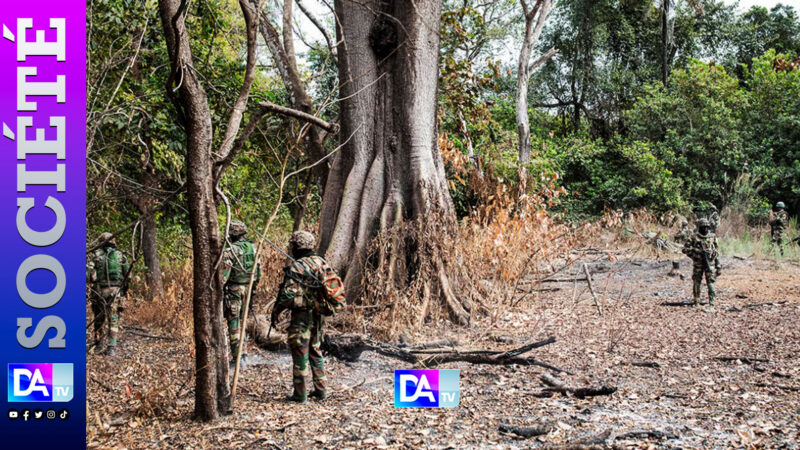
Analysts warn that the situation in central Mali is deteriorating, with jihadist groups extending their influence along the left bank of the Niger River in the Ségou and Koulikoro regions. These areas are effectively outside the reach of government administration, as local authorities are absent.
In regions under jihadist control, civilians face additional burdens, including the imposition of zakat (religious tax) and the closure of schools. As of January, more than 2,300 schools across Mali remain shut down, with the north and central regions bearing the brunt of the closures.
Abdoulaye Sounaye, a researcher specializing in jihadist movements in the Sahel, suggests that both the Malian Armed Forces and insurgent groups are currently in a phase of observation, reorganization, and rearmament.
“The government and military regime appear to be preparing for a decisive response. Meanwhile, the JNIM and FLA are also biding their time, anticipating potential military action. Amid this standoff, civilians continue to suffer the consequences of violence from all sides.”
Experts emphasize that a sustainable solution to the security crisis in northern and central Mali—indeed, across the country—requires inclusive dialogue involving all stakeholders. Ahmed Ould Abdallah of the 4S Center argues that the Malian government must take the initiative to engage in meaningful negotiations with all segments of society to address the underlying political crisis.
“The crisis is widespread and affects multiple social groups. It is the government’s responsibility to unite the national elite and all political opinions to resolve the crisis through dialogue and negotiation. There is a political problem that must be addressed, and the current administration can do so by opening channels of communication.”
Despite the official stance rejecting negotiations with groups like the FLA and JNIM—both labeled as terrorist organizations by the Malian government—secret talks have reportedly taken place to facilitate fuel supply agreements between military authorities and jihadist factions.