Human rights groups urge end to Bamako blockade by Mali jihadists
International human rights organization Amnesty International has urgently called on Mali‘s jihadist coalition, the Group for the Support of Islam and Muslims (JNIM), to immediately lift the two-week blockade of the capital Bamako that has crippled civilian movement and access to essential goods.
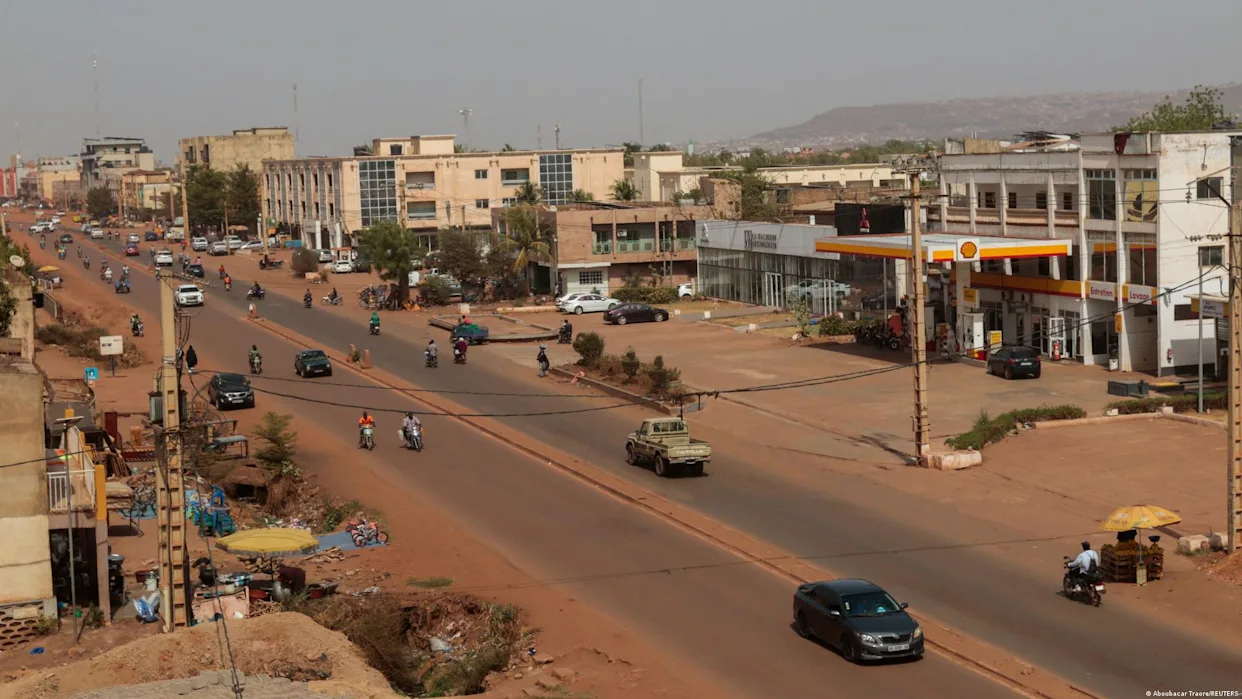
The blockade, which began on April 30, has severely restricted the flow of commercial goods into Bamako, a landlocked nation heavily dependent on road imports. Amnesty International warns the restrictions are creating “unacceptable consequences on civilians’ freedom of movement” and risk causing “serious violations of their rights to food security, health, and life”.
In a strongly worded statement, the organization condemned an attack on May 6 against a civilian convoy transporting fruits from Bamako to Bougouni in southern Mali. The convoy, which was not escorted by military personnel and carried no weapons or military equipment, was reportedly targeted by JNIM fighters.
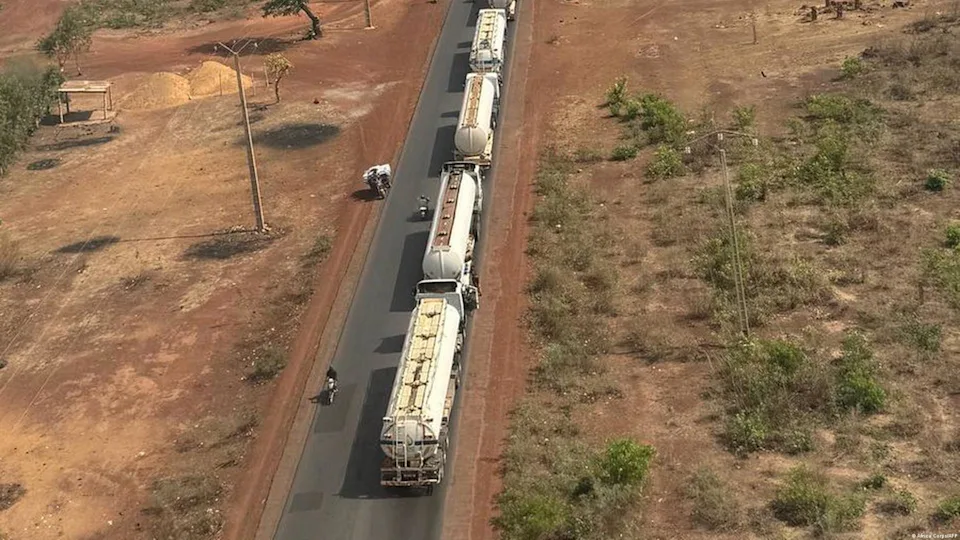
Impact on civilian life and regional trade
The blockade has forced over a dozen transport companies to suspend operations to and from Bamako, further disrupting supply chains and increasing food prices. Residents report growing distrust toward all parties involved, with electricity and phone connectivity cut off in several northern cities.
In Gao, under government control, residents say they are instructed to trust official government statements while facing sharply rising food costs—particularly for staples like onions, whose price has doubled.
Military escalation and humanitarian concerns
The Mali armed forces have announced intensified airstrikes on Kidal, a city controlled by the National Movement for the Liberation of Azawad (MNLA) and their JNIM allies since late April. A local resident confirmed the city faces regular power cuts and communication blackouts.
In central Mali, local sources report jihadist control over areas along the Niger River in the Ségou and Koulikoro regions, where state administration is absent. Over 2,300 schools remain closed nationwide, with the north and center worst affected. Schools are closed, taxes are imposed, and communities live under de facto jihadist rule.
Calls for dialogue and political resolution
As tensions rise, analysts warn both sides are preparing for renewed conflict. Hervé Lankoandé Wendyam, an independent analyst specializing in West African security dynamics, suggests that JNIM may be attempting to scale up hostilities by seizing urban centers, while the military government prepares to respond.
Abdoulaye Sounaye, a Sahel jihadism researcher, notes both sides are in a phase of observation and rearmament. “The government and military regime appear determined to respond forcefully. Meanwhile, JNIM and MNLA forces are also preparing for potential military action. At the heart of this stand-off are ordinary Malians who continue to suffer at the hands of both sides.”
Experts stress the need for inclusive dialogue involving all political and social stakeholders to resolve the crisis. Ahmed Ould Abdallah of the 4S Center emphasizes, “The Malian government must open genuine negotiations with all national components to address the political crisis driving this conflict. Avoiding dialogue will only prolong suffering.”
Sounaye adds, “Ultimately, these forces will need to come to the table. A negotiated settlement remains the only viable path to lasting peace.”
Despite official government refusal to negotiate with groups it labels as terrorists, sources indicate secret talks have occurred to facilitate fuel supplies, highlighting the complex and contradictory nature of current efforts to stabilize the country.