Grand magal touba transport costs soar ahead of pilgrimage
Grand Magal pilgrims grapple with soaring transport costs
The annual spiritual migration to Touba, Senegal’s sacred heart of Mouride Islam, is underway, but this year’s Grand Magal pilgrimage is being overshadowed by a crushing financial burden: exorbitant transport fares.
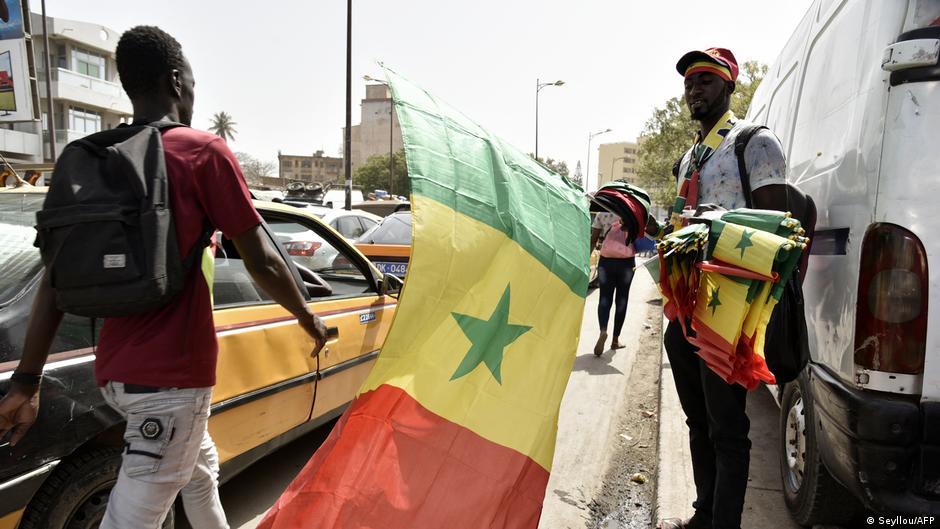
As dawn broke over Dakar, the Baux Maraîchers station in Pikine teemed with life, yet the usual hustle carried a sharp edge. Where a standard ticket typically ranges between 3,000 and 5,000 CFA francs, pilgrims now face prices surging to 8,000 or even 10,000 CFA francs, depending on the level of comfort—and the desperation to reach Touba.
Last-minute price hikes frustrate pilgrims
Fallou, a seasoned transport broker at the station, didn’t mince words. “All these vehicles are heading to Touba,” he said, gesturing toward a fleet of packed minibuses and buses. “You can choose the small, non-air-conditioned van for 10,000 francs, or the air-conditioned bus at 8,000 francs. Take it or leave it—but these are today’s prices. Traffic jams on the road to Touba are brutal, and we have to cover our costs.”
Mamadou, a lifelong attendee of the Grand Magal, stood in line, his expression a mix of frustration and resignation. “They always hike prices during events like this,” he muttered. “Touba isn’t far—why must we pay double? Life is already hard; they shouldn’t exploit us like this. But I have no choice—I must go. My family is waiting, and we have guests to welcome.”
Transport operators cite rising costs as justification
Bour Guewel, a veteran driver with nearly 30 years of experience navigating the Dakar-Touba route, defended the price surge. “We fill up with fuel twice for this trip,” he explained. “On the way there, we’re packed. But returning? Empty seats. How can we not raise prices to make up for the losses?”
The bottleneck at Touba’s entrance compounds the problem. “Traffic is unbearable,” Bour Guewel added. “Delays stretch for hours, and fuel consumption skyrockets. The math is simple: higher fares keep our operations afloat.”
While state-backed transport operator Dakar Dem Dikk offers a flat rate of 4,000 CFA francs, its buses are cramped and restrict luggage—hardly ideal for pilgrims traveling with essentials. Demand far outstrips supply, leaving most travelers with no alternative but to pay the inflated private sector rates.
Pilgrims caught between faith and financial strain
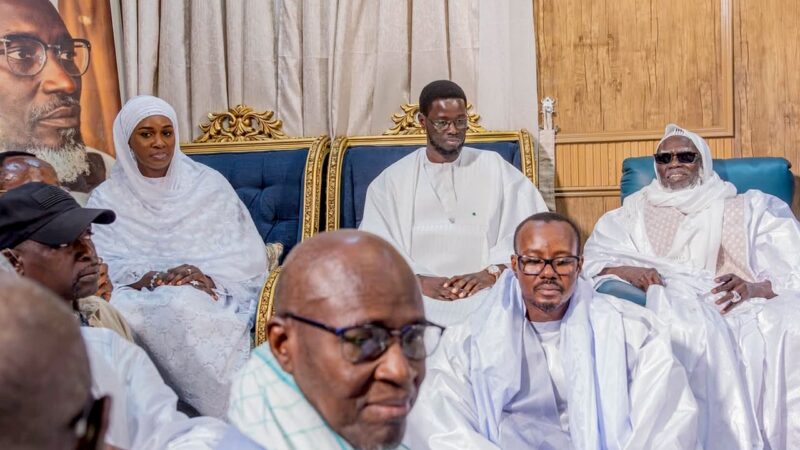
The Grand Magal is a cornerstone of Senegalese Mouride culture, drawing millions to Touba each year. Yet as transport costs spiral, the economic strain weighs heavily on devotees. For many, the pilgrimage is a non-negotiable act of devotion—even if it means emptying their wallets.
As the sun climbed higher, the lines at Baux Maraîchers grew longer. Pilgrims exchanged knowing glances, their wallets lighter but their resolve unshaken. The journey to Touba would be costly—but for them, the spiritual reward outweighs the price.