Key challenges
How can Cotonou’s port-area street vendors maintain sustainable livelihoods while ensuring food hygiene and safety for both sellers and customers?
Initiative highlights
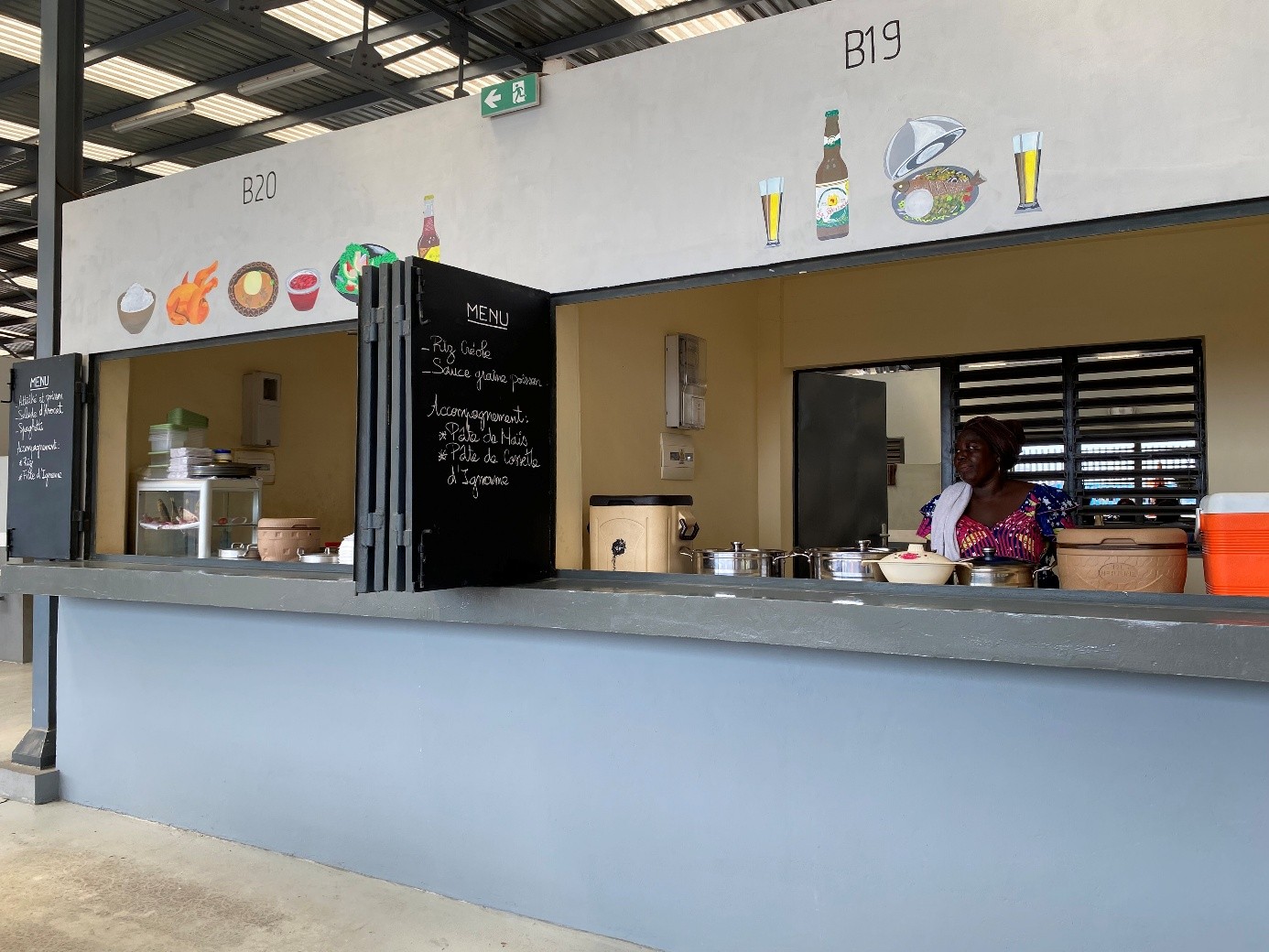
After observing the hazardous working conditions faced by food vendors along the port access road, the Port Autonome de Cotonou (PAC) launched an ambitious consultation process to address hygiene and safety concerns. The outcome was the establishment of modern, weatherproof vending spaces equipped with running water and electricity. This initiative exemplifies the port authority’s commitment to social and environmental responsibility for neighboring communities.
Transforming port-side food vending
The Port Autonome de Cotonou has long prioritized social and environmental upgrades, including programs benefiting local populations. In 2024, the port inaugurated a 3,000m² covered facility featuring fully equipped vendor stalls with kitchen facilities, water access, and electricity. Previously, 98 women vendors operated along the roadside without protection from traffic or weather, unable to cook on-site or store inventory. Their new workspace now provides hygienic conditions, improved safety, and expanded customer access—serving both port employees and neighborhood residents with higher food safety standards.
The project, costing over 600 million FCFA, involved stakeholder consultations throughout development. Beyond enhancing working conditions and financial stability for vendors, the relocation attracted a more diverse clientele, including senior staff and dockworkers. Early data indicates a 20% sales increase, while ongoing monitoring tracks reductions in incidents and waste. This initiative demonstrates how infrastructure upgrades can create inclusive economic opportunities while elevating public health standards.