Bamako’s organic markets thrive with short supply chains in Mali
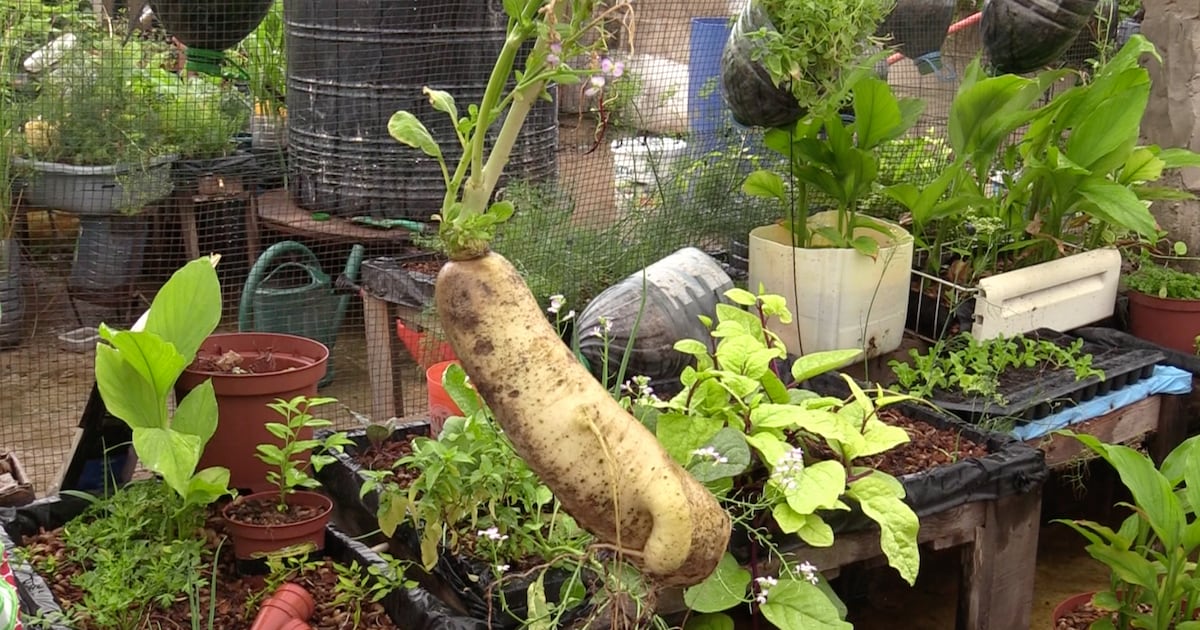
In Bamako, Mali, a growing demand for fresh, locally sourced, and affordable food is reshaping how consumers approach their grocery shopping. The Réseau Solidaire en Agroécologie Paysanne et Citoyenne (Resapac) has championed this shift for over a decade by fostering short supply chains and responsible consumption. Its mission? To provide urban residents with high-quality, locally grown produce while ensuring producers receive fair compensation for their labor.
Building Trust Between Producers and Consumers
The Resapac model thrives on transparency and collective governance. By connecting farmers, processors, and buyers directly, it eliminates unnecessary intermediaries, allowing consumers to trace the origin of their food and understand the sustainable practices behind it. This hands-on approach transforms shoppers into informed participants in the food system, not just passive purchasers.
From Sotuba to Four Markets: A Decade of Growth
What began as a single organic market in Sotuba has expanded into a network of four thriving locations across Bamako: Sotuba, Badalabougou, Magnambougou, and Hippodrome. Each market serves as a bridge between local farmers and urban consumers, reinforcing the importance of proximity in food distribution. The coordinator of Resapac’s markets, Djènèba Diallo, highlights the network’s evolution:
«When we started over ten years ago, we had just one market stall in Sotuba. Today, our reach extends to four vibrant hubs, all dedicated to bringing agroecological products to the people of Bamako.»
A Farmer’s Success Story
Abdoulaye Sacko, a vegetable producer and Resapac member, shares how the network transformed his livelihood. By adopting organic farming methods and partnering with Resapac, he eliminated chemical inputs entirely, cultivating a variety of crops using only biological fertilizers. His experience underscores the network’s impact:
«Joining Resapac was a turning point. My income has improved significantly, and I now encourage fellow farmers to embrace organic agriculture. The direct link to consumers means better prices and a stronger sense of purpose in my work.»
Why Organic Matters in Bamako’s Markets
Consumers like Amina Traoré, a cardiologist who recently discovered Resapac through social media, attest to the tangible benefits of organic produce. She notes a stark difference between conventional and agroecological products:
«The fruits and vegetables sold in conventional markets often spoil within 24 hours due to excessive pesticide use. In contrast, the organic produce from Resapac markets stays fresh for days, and the taste is incomparable.»
This initiative reflects a broader trend in Mali, where both producers and consumers are prioritizing food quality, farmer livelihoods, and sustainable agriculture. By championing short supply chains, Resapac is not just selling food—it’s cultivating a healthier, more equitable food culture in Bamako.