Northern Benin relocates its schools before the storm, while the Sahel counts its losses

Along its northern frontiers, where the terrorist threat has never genuinely receded, Benin has settled on a firm line of action: the country will not allow an asymmetric war to dictate its calendar. That conviction has now taken a concrete shape — the closure and relocation of several schools located inside the “red zones” of the Atacora and Alibori departments, moved toward protected perimeters. This is statecraft built on foresight rather than repair.
By stepping ahead of the danger, public authorities strip non-state armed groups of their favourite mechanism: surprise. Ambushes and strikes on vulnerable targets only succeed when the target is unprepared. Across the sub-region, classrooms have repeatedly become scenes of violence, a tactic designed to dismantle education systems and spread fear through rural communities. Benin breaks that logic by pulling its classes back to safety before any major incident occurs, refusing the reflex of reacting once the damage is already done.
A doctrine that refuses to let armed groups set the tempo
Advancing the retreat of schools ahead of any tragedy carries a clear political meaning. It signals that prevention, and the prudence of the state, outweigh improvisation. Rather than waiting for an attack to redraw its educational map, the government has chosen to redraw it first, on its own terms, and in a manner that keeps teaching alive.
Three guarantees written into the northern school plan
- Human life above everything — safeguarding the physical integrity of pupils, teachers and administrative staff is treated as the absolute precondition for any public action.
- An unbroken school pathway — relocating to secure areas comes with an emergency framework: learners are transferred, teaching staff receive logistical backing, and the school canteen programme is extended so that children do not drop out and the pedagogical link survives the move.
- Sovereign control of the land — refusing to abandon the country’s youth to insecurity forms part of the wider security grid that defence and security forces are operating on the ground.
Adapting the school map to the realities of the terrain is, in itself, a demonstration of what responsible governance looks like. Its worth is not measured by how efficiently damage is managed after a tragedy, but by the capacity to assess risks and act upstream. Anticipation remains the most solid rampart for preserving national unity and securing the education of future generations.
The Sahel’s hard lesson, and Benin’s different path
Over 10,000 schools lost to armed pressure
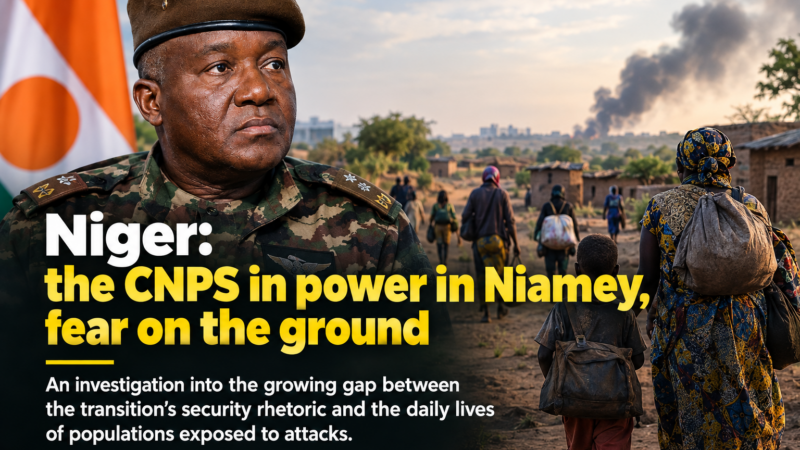
The full weight of this approach becomes visible when set against what prevails among the Sahel States Alliance — Burkina Faso, Mali and Niger. Compelled to manage a security emergency after the fact, those states have endured the abrupt and disorderly shutdown of more than 10,000 schools under direct pressure from armed groups, pushing millions of children out of education and into wandering.
Prevention chosen over chaos endured
Where the Sahel absorbs a major educational crisis imposed by the enemy after repeated attacks, Benin has opted for proactivity. By reading the threat early and orchestrating the methodical transfer of its schools before any drama unfolds, the state averts the collapse of teaching in the north: it surrenders no ground, retains command of its territory, and proves that lucid governance would rather reorganise its structures upstream than count its losses along the front lines.