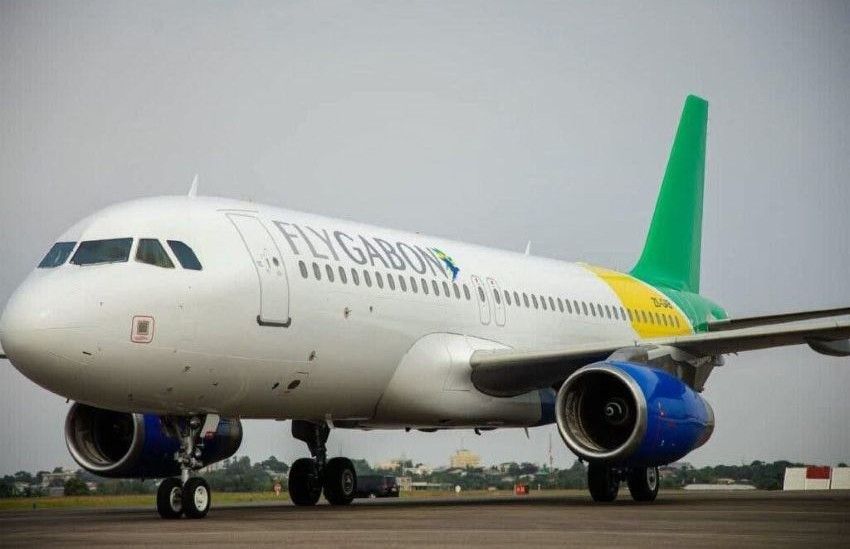
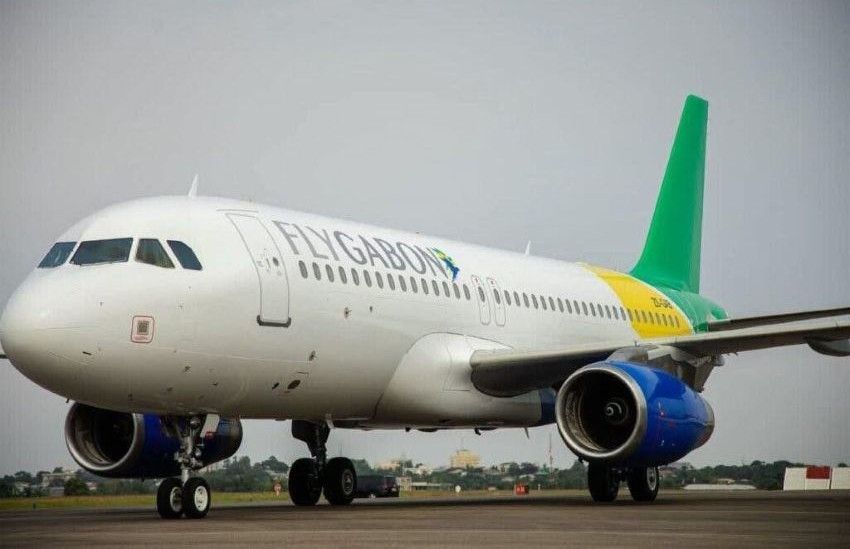
Libreville, Gabon – For years, Gabonese air transport primarily served domestic and regional routes. Now, a historic shift is underway as FlyGabon, the national carrier, prepares to launch direct flights to major European capitals like Paris and London. This ambitious move goes far beyond simply expanding its network; it represents a strategic effort to reposition Gabon within the crucial global flows of mobility, commerce, and investment that define the modern world economy.
In an era where air connectivity signifies economic strength and national sovereignty, this initiative transcends mere passenger transport. It is a deliberate strategic choice designed to lessen the country’s reliance on foreign airlines while significantly enhancing Libreville’s international appeal and connectivity.
FlyGabon’s bold European venture
FlyGabon, predominantly owned by the Gabonese state through Fly Air Gabon Holding, is actively working on integrating new Boeing aircraft to bolster its operational capacity. The models currently under consideration are from the esteemed Boeing 737 Next Generation and Boeing 737 MAX families, both globally recognized for their performance in the medium-haul segment.
The selection of the Boeing 737 MAX aligns perfectly with FlyGabon’s aspirations. With an impressive range of approximately 6,500 kilometers, this aircraft can comfortably facilitate direct services between Libreville and key Western European capitals. The distance to Paris is roughly 5,450 kilometers, while London lies approximately 5,750 kilometers away.
This enhanced capability unlocks a new era for Gabon. Previously, a significant portion of travel to Europe depended on foreign carriers or inconvenient regional connections. Soon, Libreville is poised to become a direct gateway to and from some of Europe’s most vital economic centers.
The commercial implications are equally significant. Economic exchanges between Gabon and Europe remain among the country’s most important, encompassing vital sectors such as petroleum, manganese, processed timber, and private investments. Strengthened air links are a decisive factor in streamlining and accelerating these crucial relationships.
A global strategy tailored for African realities
Beyond aircraft selection, FlyGabon is embracing an approach that mirrors global aviation industry trends. The airline is prioritizing the use of leasing, specifically operational leases, for its fleet.
This model has become an international standard, with nearly two-thirds of airlines worldwide operating part or all of their fleet under such arrangements. The advantages are substantial: reduced initial capital investment, preservation of cash flow, and considerable operational flexibility.
For African airlines, this strategy holds even greater appeal. Delivery times from major manufacturers often extend beyond four or five years. Leasing aircraft allows carriers to respond swiftly to market demands without being constrained by the particularly lengthy industrial cycles of giants like Boeing or Airbus.
This strategic choice reflects a growing economic maturity. Rather than tying up substantial resources in immediate aircraft purchases, FlyGabon is opting for a progressive ramp-up, consistent with the demands of profitability and sustainable growth.
Libreville’s ambition: a regional entry point
Underlying these technical considerations is a much broader national ambition. The Gabonese government intends to establish Libreville as a strategic crossroads connecting Central Africa and Europe.
This vision is integral to a comprehensive drive to modernize the country’s infrastructure. Ports, logistics, air transport, and economic corridors are now conceived as interconnected components of a unified ecosystem designed to support economic diversification.
Within this architectural framework, FlyGabon plays a pivotal role. A robust national airline is not merely a symbol of sovereignty; it transforms into an instrument of competitiveness. It can facilitate investments, boost tourism, streamline business travel, and accelerate regional integration efforts.
The challenge remains considerable. European routes are among the most competitive globally, demanding stringent standards in safety, punctuality, service quality, and profitability. However, the chosen trajectory clearly signals a determination to move beyond a simple national service model and become a continental player capable of durably connecting Gabon to major international economic hubs.
The announcement of these future routes to Paris and London thus signifies more than just a commercial evolution. It heralds the emergence of a new national connectivity strategy where aviation becomes a powerful lever for economic development, international influence, and national sovereignty. For FlyGabon, the true takeoff may well be unfolding over the Atlantic.