Senegal political tensions: can opposition seize the sonko-faye divide

Political rifts in Senegal: a strategic opening for opposition forces?
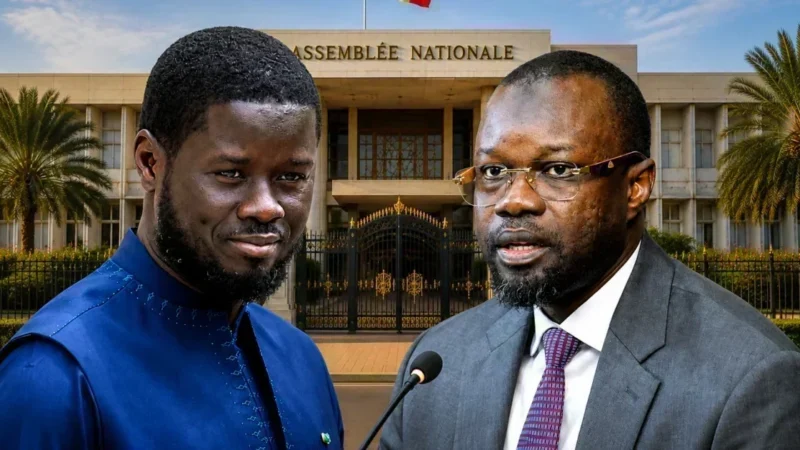
The evolving relationship between prominent figures within Senegal’s political landscape is creating unexpected opportunities for opposition groups. With tensions escalating between key allies, analysts are closely examining how this divide might reshape the balance of power in the country’s governance.
Following a period of collaboration that once defined their shared vision, the current fractures within this alliance are drawing significant attention. The question on many observers’ minds is whether opposition parties can capitalize on this discord to strengthen their own positions ahead of upcoming challenges.
Understanding the roots of the division
The split between these influential leaders did not emerge overnight. Years of strategic alignment and joint political initiatives have given way to contrasting priorities and diverging interpretations of governance. This growing disconnect has left both supporters and critics speculating about the long-term implications for Senegal’s political stability and democratic processes.
Potential consequences for Senegal’s political scene
The unfolding situation presents a complex scenario for political observers. On one hand, the opposition could see this as a chance to consolidate support by addressing the concerns of citizens disillusioned with the ruling establishment. On the other, the fractured alliance may seek to regroup, potentially regaining momentum through renewed public engagement or strategic concessions.
The coming weeks will be critical in determining whether this division will serve as a catalyst for political transformation or merely a temporary setback for the ruling coalition.
Key factors to watch
- Public sentiment: How citizens react to these developments will play a decisive role in shaping the opposition’s strategy and effectiveness.
- Alliance dynamics: The ability of the divided factions to reconcile—or their failure to do so—could redefine political alliances in the near future.
- Opposition cohesion: The capacity of opposition groups to present a united front will determine their success in challenging the status quo.
- Institutional responses: Government institutions may introduce measures to address the growing unrest or further tighten control, influencing the trajectory of these political shifts.
As Senegal navigates this period of uncertainty, the actions of both opposition forces and the ruling establishment will be closely scrutinized. The outcome could either reinforce democratic resilience or signal a turning point in the country’s political direction.