Cameroun: power vacuum fears as military reshuffle raises ethnic succession concerns
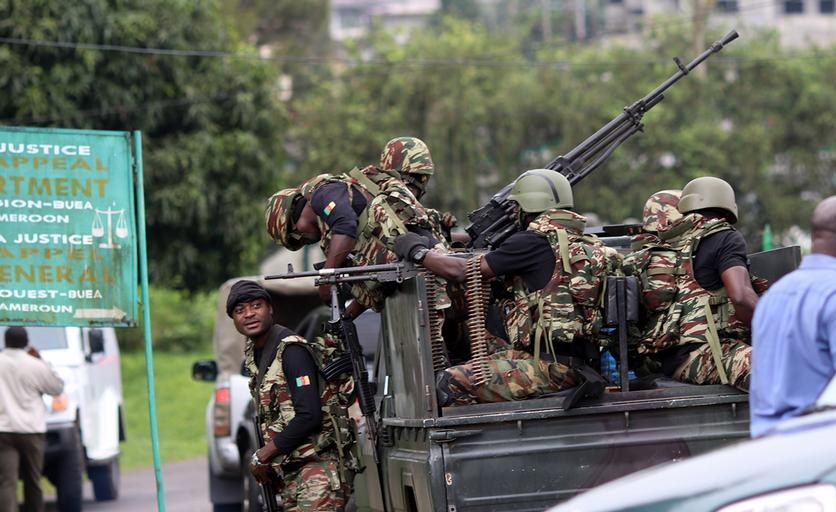
The Cameroon of today is a nation holding its breath. For 57 days, President Paul Biya has remained out of public view, sparking deepening concerns about his health and the stability of the state. Official explanations of a “private stay in Europe” have done little to quell mounting anxieties among citizens and observers alike.
An unprecedented absence and shifting power dynamics
On June 7, 2026, President Biya departed Yaoundé for Switzerland, accompanied by his wife Chantal. His absence has now stretched beyond two months, with no public appearances or official engagements to confirm his condition. While government spokesperson René Sadi insists the president remains in good health and will return soon, skepticism grows with each passing day.
At 93, every additional day without visible leadership amplifies speculation. Reports suggest a knee surgery in early July, yet complications or other undisclosed conditions continue to fuel rumors. Cameroonians demand clarity: why conceal a health issue that could destabilize the nation?
Military reshuffle sparks fears of ethnic consolidation
In the president’s absence, a sweeping military reshuffle has raised alarm bells. Presidential Decree No. 2026/265, signed in his name, appointed General Beko’o Abondo Raymond Jean Charles as head of the Presidential Guard—a critical role responsible for the president’s personal security and the integrity of the presidency.
This was not an isolated move. Five new brigadier generals, a new army chief of staff (General Ebaka Hippolyte), and six regional commanders across four of Cameroon’s five military zones were also installed. Such sweeping changes, executed without the president’s public presence, suggest a deliberate shift in power structures.
A retired colonel, speaking on condition of anonymity, emphasized the gravity: “No one, not even the defense minister, can authorize such appointments in the president’s absence. Only the head of state can make these decisions.”
Two rival factions vie for control
Behind the scenes, Yaoundé’s corridors of power are alive with factional infighting. Two dominant blocs have emerged:
- The Biya dynasty faction, centered around the president’s eldest son, Franck Biya, seen as a symbol of regime continuity.
- The First Lady’s faction, led by Chantal Biya and Ferdinand Ngoh Ngoh, the powerful Secretary-General of the Presidency.
This division is further complicated by a constitutional revision adopted in April 2026. While the change reintroduced the vice-presidential position to ensure automatic succession, the role remains unfilled. The result? A blocked transition mechanism and escalating power struggles.
Tribalization of the military: a dangerous precedent
The timing and nature of these appointments have ignited fears of ethnic favoritism within the armed forces. Observers warn that such militarization of power could mirror Rwanda’s 1994 tragedy, where ethnically skewed military leadership contributed to genocide. In Cameroon, where tribal tensions simmer beneath the surface, the risk of escalation is real.
Critics argue that the absence of vice-presidential leadership has left a dangerous void. Opposition leader Maurice Kamto’s Movement for the Rebirth of Cameroon (MRC) has intensified calls for the Constitutional Council to declare a power vacuum. Deputy Jean-Michel Nintcheu declared, “The council must recognize the vacancy at the helm of the state.”
Yet without a vice president, the constitutional process for succession cannot proceed. Cameroon now faces an institutional paralysis.
Government silence deepens the crisis
Why proceed with such sensitive military appointments while the president remains incommunicado? The question, raised by political analyst Jean-Pierre Bekolo, hangs unanswered. If Paul Biya’s return is imminent, why not wait for his oversight? If not, what does this reveal about the true intentions behind these decrees?
Rumors of falsified documents and suspect signatures have further eroded trust. While the government has dismissed claims of forged decrees, the damage is done. Doubt, once sown, festers.
Can Cameroon avert disaster?
The path forward is narrow but not impossible. Key steps could still stabilize the situation:
- Transparency: The government must disclose Biya’s health status and expected return timeline.
- National dialogue: A structured dialogue among political forces to address communal tensions.
- Vice-presidential appointment: Filling the vacant role to restore institutional legitimacy.
Bekolo’s warning resonates: “History will judge not only our actions but our silences.” Cameroon stands at a precipice. Will its leaders choose unity over division, transparency over secrecy? The clock is ticking.