Gabon’s economic outlook: growth, challenges, and the call for african coordination
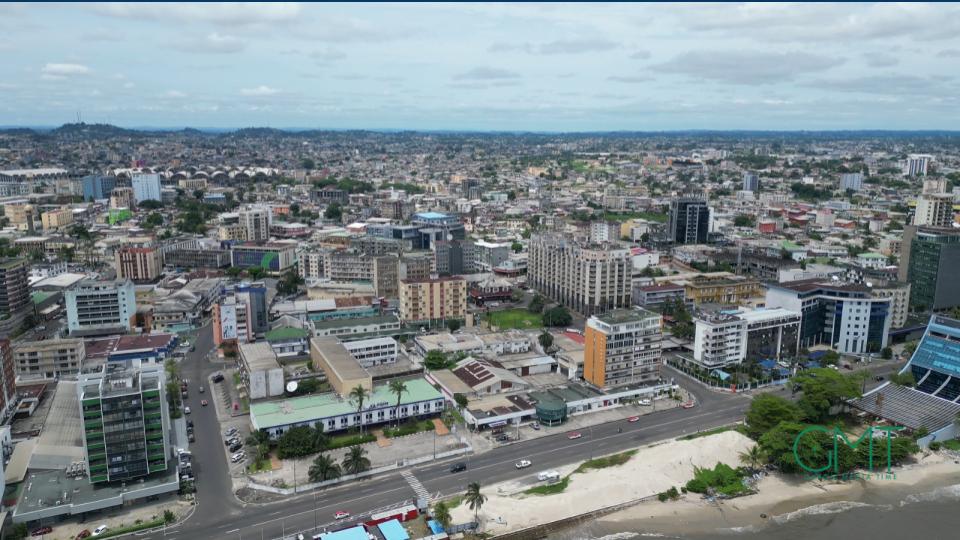
Gabon is set to embark on a positive economic trajectory, with the African Development Bank (AfDB) projecting robust growth in its latest African Economic Outlook 2026 report, updated on June 23, 2026. The pan-African institution forecasts a 3.0% growth rate for 2026, anticipating a slight acceleration to 3.1% in 2027.
Libreville’s economic resurgence is not solely reliant on traditional resources; instead, it is bolstered by the strengthening of several strategic pillars. The AfDB attributes this anticipated rebound to the expected dynamism across key sectors, including construction, services, manufacturing, and agro-industry. Furthermore, the agricultural sector, particularly driven by poultry farming and the palm oil industry, is emerging as a vital engine for this recovery.
Regarding external accounts, the current account is predicted to show a surplus of 1.1% of GDP in 2026, although projections indicate a return to a deficit of 2.4% the following year. This overall recovery will be sustained by an increase in household consumption and a revitalization of both public and private investments. Additionally, a proposed central purchasing body is expected to play a crucial role in curbing speculation on imports, thereby stabilizing inflation at 3.1% in 2026 and further reducing it to 2.3% in 2027.
The burden of debt and public expenditure
Despite these positive indicators, the AfDB expresses concerns regarding Gabon’s persistent budgetary imbalances. The surge in public spending, which reached 3.2% of GDP in 2024, has impeded reform efforts. While the government has modernized its tools through digitization, electronic invoicing, and the implementation of property and green taxes, revenue generation continues to lag. This shortfall is primarily attributed to shortcomings in governance Africa and the pervasive influence of a large informal sector. Consequently, Gabon’s debt profile has deteriorated, limiting its access to financial markets and dampening private investor enthusiasm.
A call for coordination amid global crises
To reverse these trends, the executive branch is focusing on social dialogue and implementing courageous macroeconomic reforms. However, Gabon must navigate a challenging international landscape, characterized by trade disputes, regional conflicts, and a reduction in global financial flows.
In response to this fragmented global environment, the AfDB issues a clear warning: there is an urgent need for African politics to move beyond isolated national policies. Instead, it advocates for coordinated African strategies capable of mobilizing local capital to finance the continent’s future development.