Senegal’s constitutional council blocks controversial reform amid political tensions
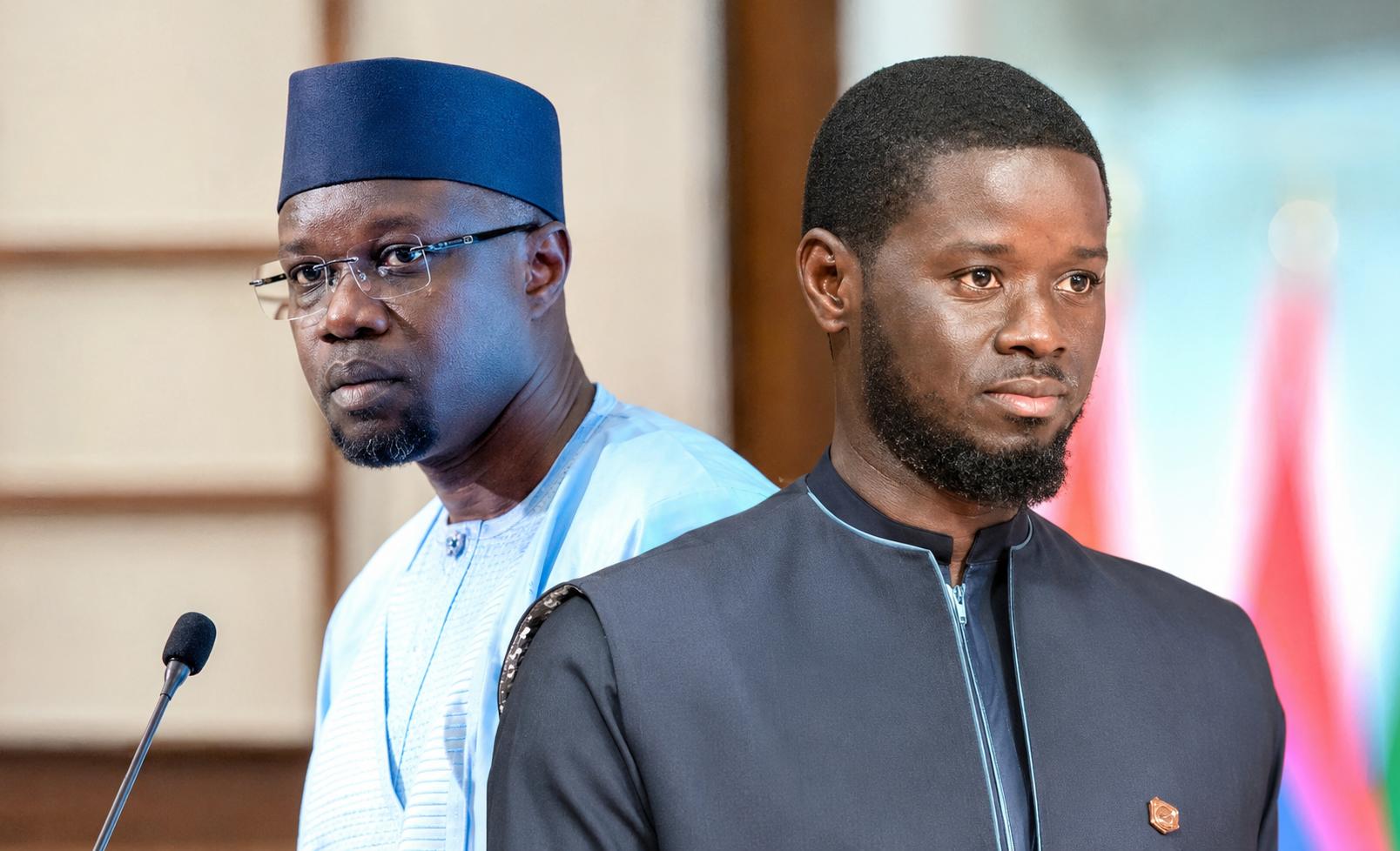
In a landmark ruling delivered on Thursday, July 9, 2026, Senegal’s Constitutional Council struck down a constitutional reform bill passed by the National Assembly late last month. The decision, prompted by an urgent request from President Bassirou Diomaye Faye, exposed serious procedural flaws in the adoption process while reinforcing the judiciary’s role as a safeguard of Senegal’s democratic framework.
Presidential intervention reshapes the constitutional debate
The proposed reform aimed to overhaul the country’s institutional architecture, including a rebalancing of powers between the executive and legislative branches, a ban on the president leading a political party, and the establishment of a dedicated constitutional court. Despite its passage in the National Assembly on June 29, 2026, the president took the unprecedented step of referring the bill to the Constitutional Council on July 6. Unlike typical challenges targeting the substance of reforms, this appeal focused exclusively on procedural irregularities in the parliamentary process. The presidency submitted a comprehensive dossier, including transcripts of debates, rejected government amendments, and audio-visual recordings of Assembly sessions, to support its case.
Legal breaches seal the reform’s fate
The Constitutional Council’s decision hinged on two critical violations of Senegal’s Constitution, particularly Article 82. First, it ruled that the bill introduced unfunded mandates—new public positions without allocated resources—violating the constitutional requirement that any legislative proposal increasing public expenditure must include compensatory revenue measures. Second, the court found that the Assembly had ignored the executive’s objections, failing to adjourn debates or exclude problematic provisions despite the government’s explicit requests. These procedural lapses rendered the entire reform invalid, nullifying it before it could be signed into law or put to a national vote.
A judicial ruling with far-reaching political implications
This ruling has sent shockwaves through Senegal’s political landscape. While government supporters view it as a technical setback necessitating a more meticulous legislative approach, opposition factions celebrate it as a triumph of constitutional law over hasty policymaking. Far from undermining state institutions, the decision underscores the resilience and independence of Senegal’s judiciary, which has once again demonstrated its capacity to mediate high-stakes disputes between the presidency and Parliament.
By invalidating the reform, the Constitutional Council has sent a clear message: even the most ambitious constitutional amendments must adhere strictly to the procedural safeguards enshrined in the nation’s foundational laws. For President Bassirou Diomaye Faye and his administration, the path forward now requires a strategic reassessment—whether through a revised bill or a direct appeal to the public via referendum—to fulfill the reforms promised to the Senegalese people.