Gabon’s democratic trajectory: a positive turn in african politics
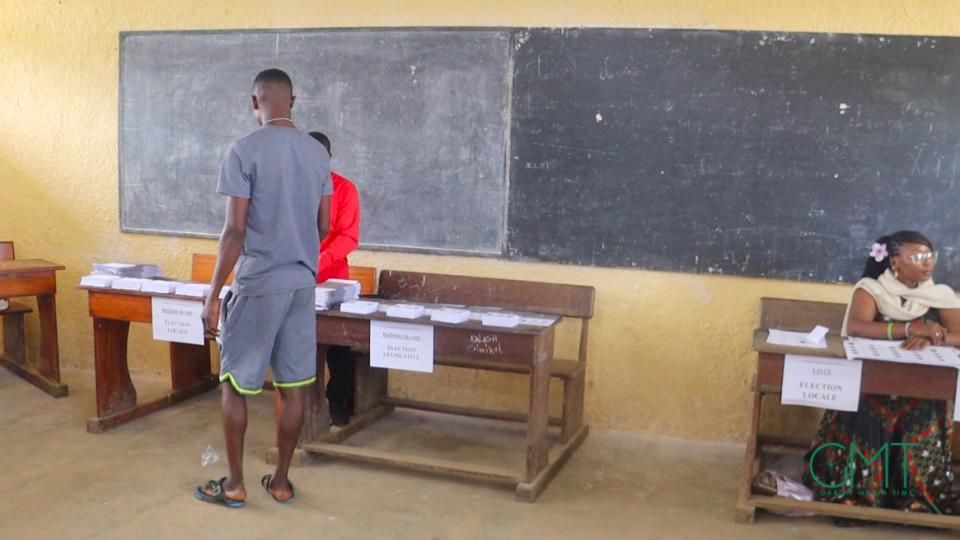
Gabon stands out as one of the few nations earning special mention in the Varieties of Democracy (V-Dem) Institute’s 2026 report for its evolving democratic path. While numerous African states are experiencing a decline in democratic indicators, Gabon is celebrated as a beacon of progress, particularly following its return to constitutional governance post-Transition and the upcoming 2025 elections.
A significant positive signal has emerged regarding democratic governance in Gabon. The Swedish-based V-Dem Institute, a globally recognized authority in evaluating political systems, released its 2026 report in June, removing Gabon from the list of countries facing democratic regression and instead classifying it among those demonstrating positive global democratic evolution.
V-Dem’s data places Gabon at 114th out of 179 countries assessed. While this ranking indicates ongoing challenges, it undeniably represents a departure from recent years, when the nation was consistently categorized among states experiencing a deterioration in their democratic metrics.
The 2025 elections as a key driver identified by V-Dem
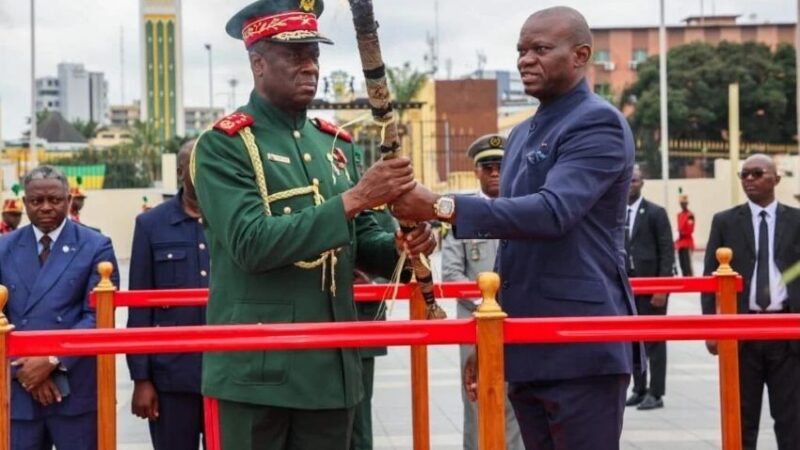
The report attributes this positive shift to the institutional reforms implemented after the Transition period, specifically highlighting the organization of the 2025 general elections and the re-establishment of civilian rule. V-Dem views these developments as positioning Gabon among a select group of countries exhibiting a dynamic of democratic advancement. The report also cites Lebanon, Mauritius, and South Korea as other examples of positive international democratic evolution.
This commendation comes at a time when many Sub-Saharan African nations, according to V-Dem’s analysis, continue to record a decline in their democratic indicators, underscoring Gabon’s distinct progress in African politics.
While this evolution offers encouraging prospects for governance Africa, it does not imply that Gabon has achieved top-tier democratic status. Its 114th global ranking suggests the country still faces substantial hurdles in areas such as governance, institutional strengthening, citizen participation, and upholding the rule of law.
The report further emphasizes that democratic progress is inherently reversible, noting that several nations previously experiencing improvements have subsequently regressed. Therefore, the advancement observed by V-Dem should be viewed as an important milestone rather than a final destination.
An indicator closely monitored by international partners
V-Dem’s research is widely utilized by academics, international organizations, funding bodies, and diplomatic missions to track the trajectory of political systems worldwide. For Gabon, this positive development could significantly enhance its international standing, especially as authorities are committed to continuing the institutional reforms initiated since the political Transition began on August 30, 2023.
The challenge now lies in transforming this momentum, spearheaded by President Brice Clotaire Oligui Nguema, into sustainable progress. This will ensure that subsequent international evaluations confirm Gabon’s firm commitment to a path of democratic consolidation, strengthening society Africa’s democratic fabric.