Paul Biya’s two-month absence fuels succession debate in Cameroon
Since June 7, President Paul Biya has been absent from Cameroon, and his prolonged absence continues to raise concerns. Recent military appointments have intensified speculation about his health and the future of leadership in the country.
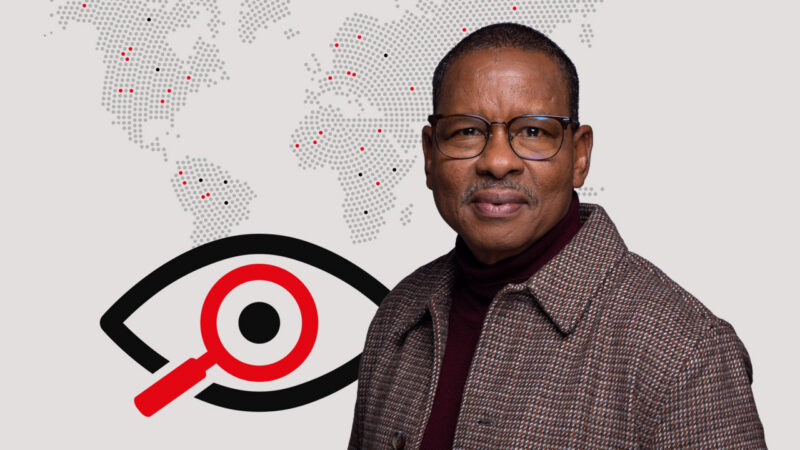
Journalist and political commentator Jean-Bruno Tagne, co-director of the Naja web-TV, suggests these changes may signal a strategic move to secure the government apparatus ahead of a potential transition. « The timing of these appointments is striking. No official explanation has been provided, but many interpret them as preparations for Paul Biya’s eventual replacement,» he explains.
Military reshuffles spark security concerns
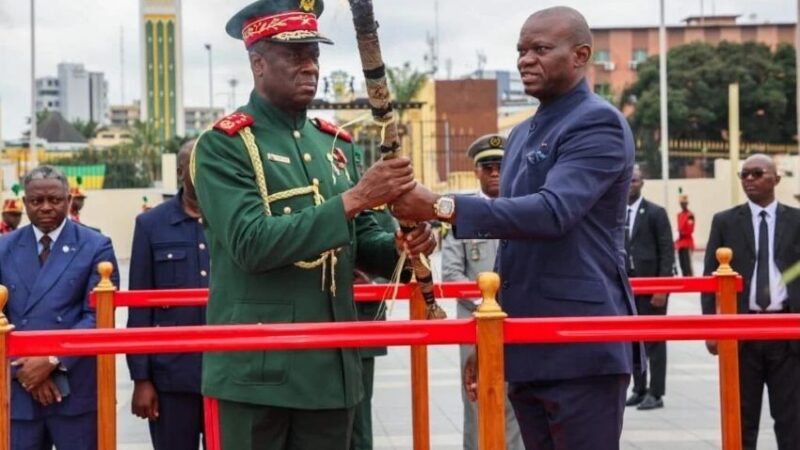
On August 3, several high-ranking officers were appointed to key military positions, including General Raymond Jean Charles Beko’o Abondo, who now leads the presidential guard—a role traditionally reserved for senior officers. Tagne believes this shift could be part of a broader effort to tighten control over critical security institutions. « This appears to be a form of security lockdown while awaiting the appointment of a vice-president, as outlined in the recently amended Constitution,» he notes.
Vice-presidency takes center stage in political speculation
The constitutional reform introducing the vice-presidency has become a focal point of debate. Under the new rules, the vice-president would assume office in case of vacancy and complete Biya’s term. However, Tagne warns this could deepen public distrust. « The vice-president would govern without ever being elected by the people. This raises serious concerns,» he argues. He suggests the government may be reinforcing its security framework to manage potential resistance to this newly created position.
Two months in the dark: health and governance under scrutiny
Biya, now 93, left Cameroon in June for what officials described as a private trip to Europe. Since then, no official updates have been released regarding his whereabouts or health. Tagne highlights the growing unease: « At his age, with no clear information, many wonder if he is still in good health, where he is, or even if he is still alive».
The government has dismissed health concerns, insisting Biya will return soon. Yet Tagne remains skeptical: « It’s my firm belief that his health is deteriorating. Reports suggest he underwent surgery and is in rehabilitation, though this remains unconfirmed.»
He also points to a critical gap in Cameroon’s legal framework: « There is no law limiting how long a president can stay abroad. Biya could legally remain overseas for six months without consequences—leaving citizens in the dark about his actual status.»
As the silence persists and security appointments multiply, Cameroon’s political landscape grows increasingly uncertain.