Cameroon’s prolonged presidential absence fuels national uncertainty
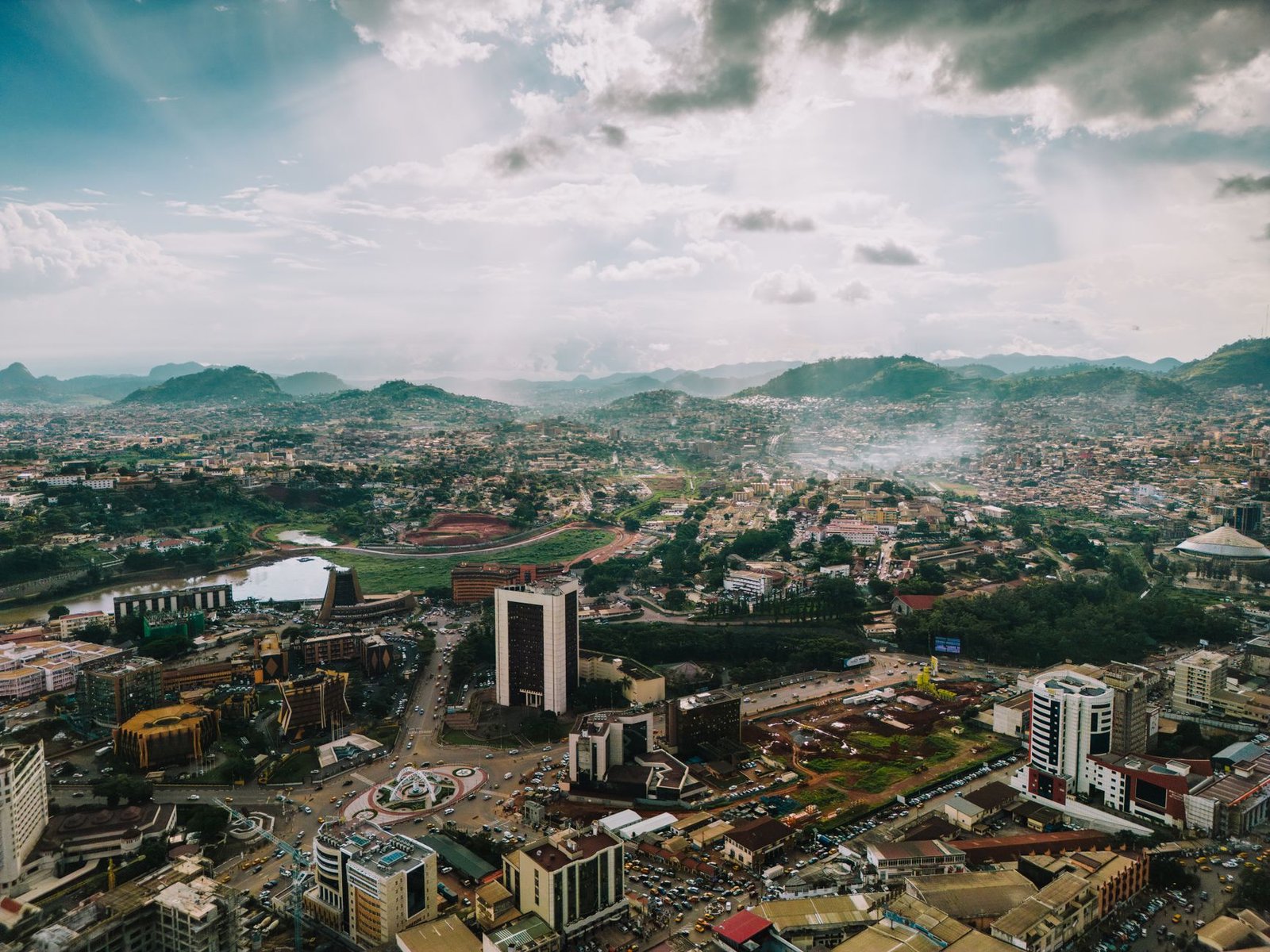
The prolonged absence of Cameroon’s long-serving President Paul Biya continues to dominate political discussions in Yaoundé. The uncharacteristic silence from the Éttoudi Palace regarding the president’s whereabouts and activities has fueled widespread speculation, extending far beyond opposition circles. Across social media platforms, newsrooms, and diplomatic missions, the same pressing question lingers: where is the president, and how is he currently discharging his duties?
The challenges of a nonagenarian leader shrouded in secrecy
Now 91 years old, President Biya has led Cameroon for over four decades, a tenure his supporters often cite as a pillar of stability. Yet this longevity, once a source of confidence, now collides with the inevitable realities of age—realities his inner circle struggles to obscure. Health-related rumors, which have circulated for years, gained fresh momentum during his recent extended stays abroad, particularly in Europe. Official statements, brief and uninformative, have done little to quell public curiosity.
The infrequency of his public appearances carries tangible institutional consequences. Cameroon’s executive branch operates under extreme centralization, with the president at its core—approving critical administrative, security, and financial decisions. Without his signature, key state functions stall. Local observers note that numerous economic and diplomatic files remain pending, awaiting presidential approvals that never arrive.
Public skepticism spreads beyond the opposition
Once confined to the opposition, doubt now permeates broader segments of society. Even within the ruling Rassemblement démocratique du peuple camerounais (RDPC), party members privately express concern over the lack of presidential guidance. The government, forced to navigate this uncertainty in silence, has repeatedly dismissed alarmist claims—yet none of its efforts have succeeded in restoring credibility to its narrative on the president’s daily activities.
This opacity is fueling whispers of a potential transition. Cameroon’s 2008 constitutional reforms stipulate that in the event of a presidential vacancy, power would temporarily transfer to the Senate President—currently Marcel Niat Njifenji, himself in his 80s. While the process is legally sound, its political implications are fraught with tension, given the fragile balance of factions within the ruling establishment. Potential successors, embedded in government and military circles, are moving cautiously, aware of the risks involved.
A regional concern for Central Africa
The uncertainty surrounding President Biya extends well beyond Cameroon’s borders. The country serves as the economic engine of the Communauté économique et monétaire de l’Afrique centrale (CEMAC), contributing significantly to the subregion’s GDP. Any instability in Yaoundé could destabilize the Central African CFA franc, disrupt trade routes vital to Chad and the Central African Republic, and undermine regional security cooperation in the fight against Boko Haram in the Lake Chad basin.
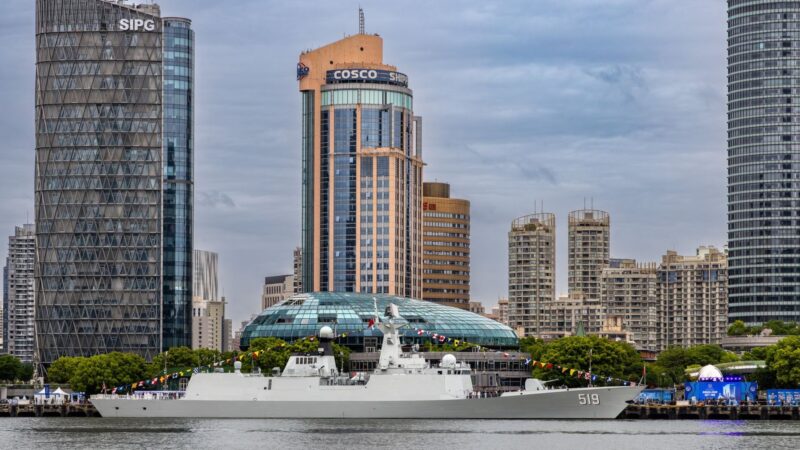
International partners, including France, the United States, and China, are monitoring the situation with quiet vigilance. Paris, historically aligned with Cameroon’s government, views the country as a linchpin of its residual African policy. Meanwhile, Beijing has poured substantial investments into the nation’s infrastructure, particularly the deep-water port of Kribi. These long-term commitments underscore how Cameroon’s institutional stability is now inseparable from foreign strategic interests.
The unresolved Anglophone crisis in the North-West and South-West regions—ongoing since 2016—continues to strain the nation. Add to this the unrest in the Far North and persistent economic vulnerabilities, and the need for decisive political leadership becomes clear. The president’s prolonged absence only reinforces the perception of a government drifting without direction, vulnerable to any sudden crisis that could force a reckoning.
How long this precarious status quo can endure remains uncertain. The coming months may prove pivotal—not only for Cameroon’s political trajectory but for the broader stability of Central Africa. One thing is clear: the prolonged absence of Paul Biya is no longer just a matter of curiosity—it is a matter of national and regional consequence.