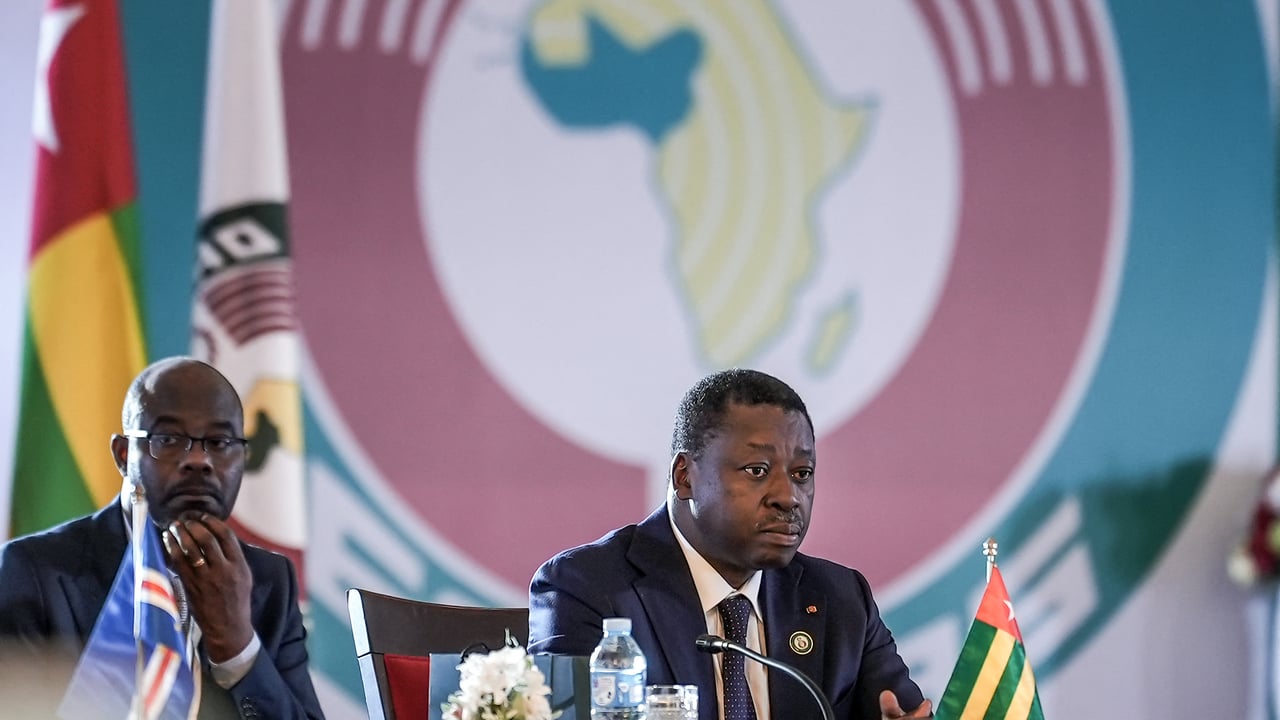
In a bold move, 43 civil society organisations across Africa have escalated their opposition to President Faure Gnassingbé by formally petitioning the Economic Community of West African States (ECOWAS) and the African Union (AU). Their complaint centres on the latest amendments to Togo’s constitution, which they argue undermine democratic principles and concentrate power in the hands of a single leader.

Why the complaint against Faure Gnassingbé’s constitutional changes?
The coalition of 43 civil society groups has expressed deep concerns over the recent constitutional reforms in Togo, which they claim erode checks and balances. Among the most contentious changes is the removal of term limits, allowing President Faure Gnassingbé to remain in power indefinitely. Critics argue this move contravenes democratic norms and threatens the stability of the region.
The petitioners highlight that Togo’s political landscape has long been dominated by a single family, raising questions about transparency and inclusivity in governance. By bypassing public consultation and parliamentary debate, the amendments were pushed through quickly, fueling accusations of authoritarianism.
ECOWAS and AU’s role in Togo’s constitutional crisis
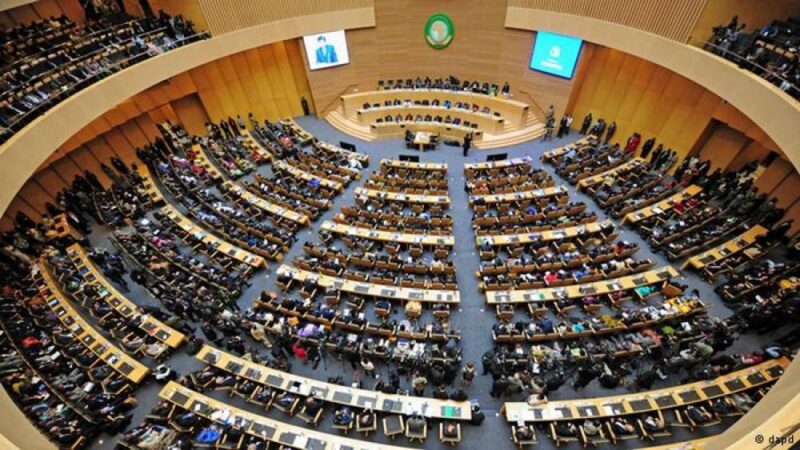
With the complaint now in the hands of ECOWAS and the African Union, regional leaders face mounting pressure to intervene. The petitioners are urging both bodies to uphold constitutional democracy and ensure Togo adheres to the principles of good governance. They are calling for a review of the amendments and a return to term limits to prevent the consolidation of power.
The case has drawn international attention, with many observers questioning whether regional bodies have the political will to enforce democratic standards. The outcome of this complaint could set a precedent for how ECOWAS and the AU address similar constitutional crises in the future.
Civil society’s growing influence in African governance
This is not the first time African civil society has taken a stand against unconstitutional power grabs. The petition reflects a broader trend where grassroots movements are increasingly challenging leaders who overstep democratic boundaries. In Togo, opposition groups, human rights activists, and regional partners are demanding accountability, signalling a shift toward greater civic engagement in political processes.
The complaint underscores the role of civil society as a watchdog in Africa’s evolving governance landscape. By holding leaders accountable, these organisations aim to foster a culture of transparency and respect for constitutional order across the continent.
What happens next?
Now that the complaint has been filed, the ball is in the court of ECOWAS and the African Union. Both organisations will review the allegations and determine whether Togo’s constitutional amendments violate regional democratic standards. If the complaint is upheld, sanctions or diplomatic pressure could follow, potentially forcing Faure Gnassingbé’s government to reconsider its reforms.
For now, the 43 civil society groups remain vigilant, prepared to escalate their campaign if no action is taken. Their actions serve as a reminder that the fight for democracy in Africa is far from over, and that public pressure can play a decisive role in shaping the continent’s political future.