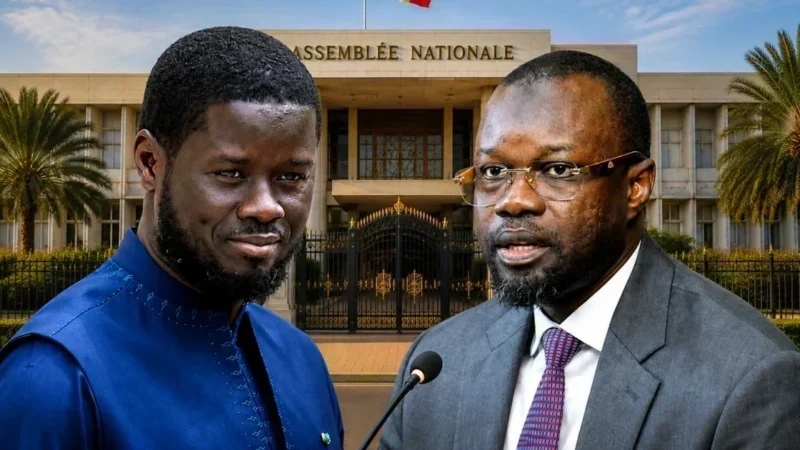
Senegal’s parliament tackles key reforms as Sonko’s agenda takes shape
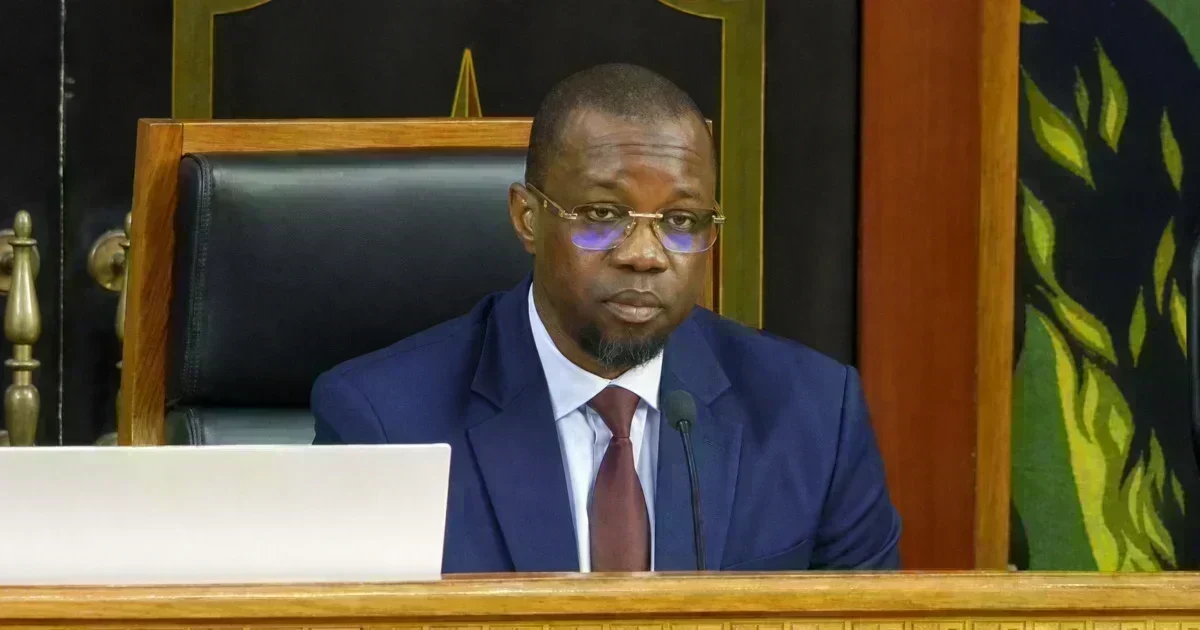
The National Assembly of Senegal convened this Wednesday, August 12, 2026, for a decisive round of technical commission meetings, marking a pivotal moment in the legislative agenda under the leadership of President Ousmane Sonko.
Critical legislative texts at the center of discussions
The day began at 9 a.m. with the Law, Decentralization, Labor, and Human Rights Commission tackling two major legislative proposals: the Labor Code and the Social Security Code. These texts, central to the government’s reform agenda, aim to modernize labor relations and strengthen social protections for Senegalese workers.
In the afternoon, the same commission turned its attention to a constitutional amendment—specifically Article 37—regarding the mandatory declaration of assets by outgoing officials. This initiative, spearheaded by Amadou Bâ, seeks to enhance transparency and combat corruption within public institutions.
A packed legislative agenda
The momentum continued the following day, Thursday, August 13, with two additional texts slated for review. At 10 a.m., deputies will examine legislation aimed at protecting critical information infrastructures and bolstering cybersecurity—a response to growing digital threats in the region. Later, at 3 p.m., focus shifts to a bill on the legal framework for special credits, introduced by Guy Marius Sagna and co-sponsors, addressing fiscal measures to support public investment.
Why these reforms matter for Senegal
- Labor Code: Expected to overhaul employment contracts, working conditions, and dispute resolution mechanisms, fostering a more dynamic and equitable labor market.
- Transparency in asset declaration: A cornerstone of Sonko’s governance agenda, this reform aims to restore public trust by ensuring officials account for their financial dealings post-service.
- Cybersecurity framework: With digital infrastructure increasingly vital, this law will establish protocols to safeguard national data and critical systems from cyber threats.
- Special credits regime: Designed to streamline funding for priority sectors, this bill reflects the government’s commitment to inclusive economic growth.