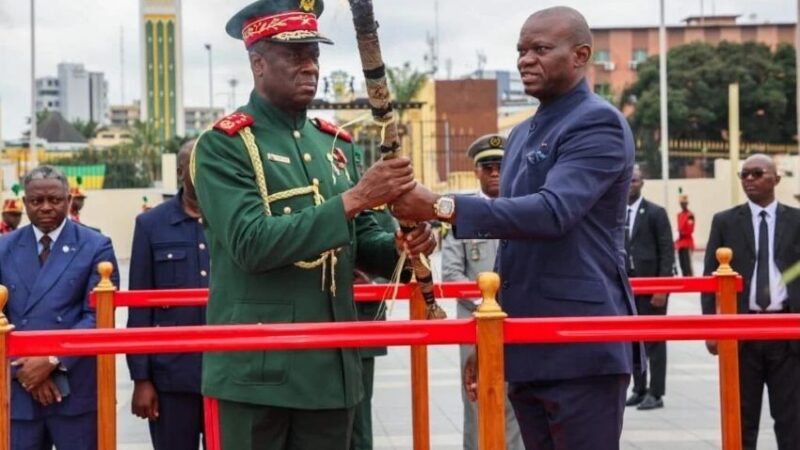
Cameroun: Paul Biya’s return fuels political speculation ahead of 2025 vote
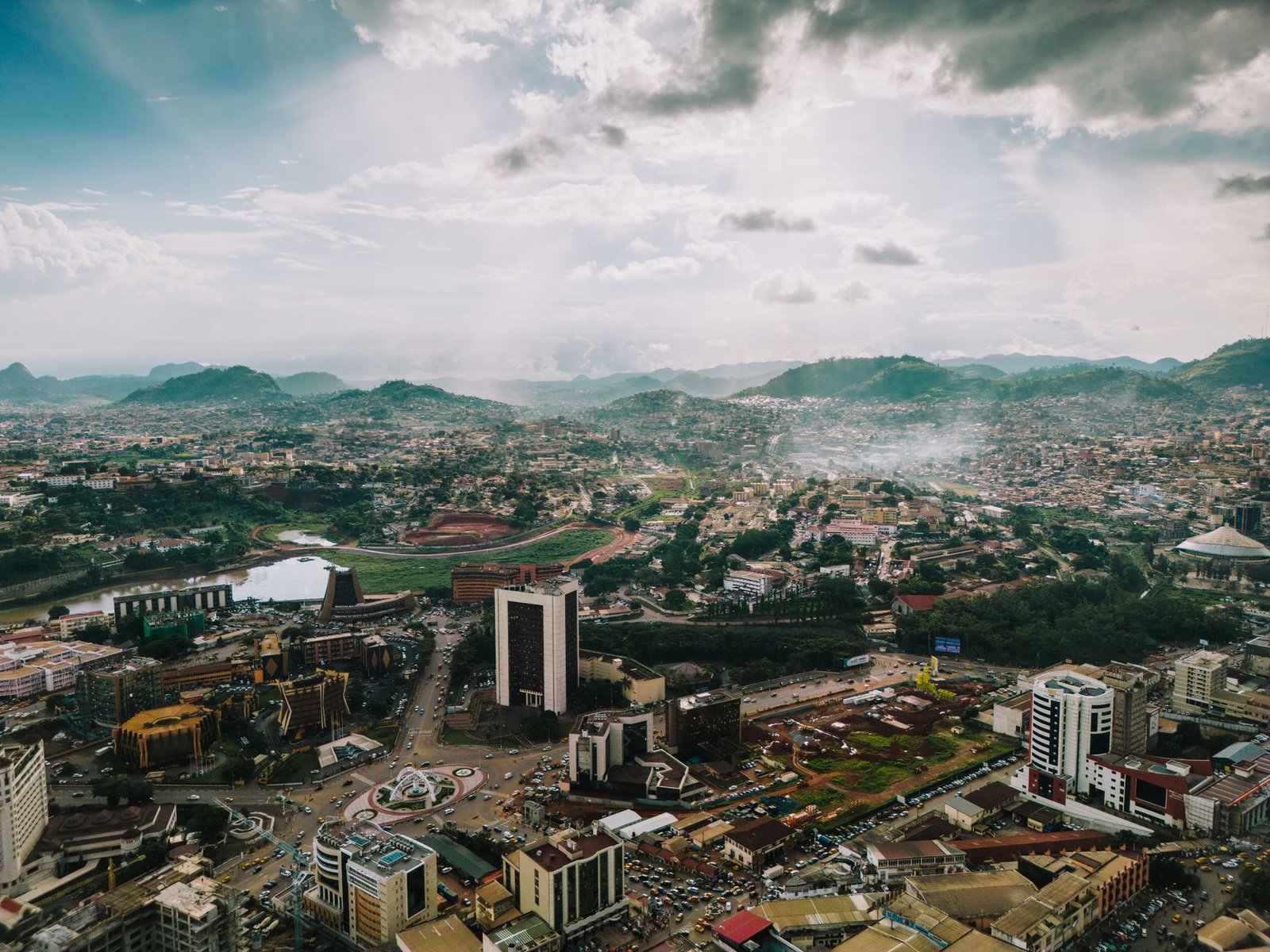
Yaoundé is bracing for the imminent return of President Paul Biya, a development that has set off fresh waves of speculation about his health and the stability of Cameroon’s leadership. At 91, the veteran head of state has spent prolonged periods abroad in recent months, each absence sparking fresh questions among citizens, diplomats, and political observers about his capacity to govern from a distance.
The presidential communication team has moved quickly to dispel rumors circulating on social media and in diplomatic circles, where debates about a potential power vacuum continue to resurface. The Élysée Palace in Yaoundé insists that the president remains fully in control, despite the prolonged silence and geographical distance that often accompany his private travels.
Leadership in question: a presidency tested by distance
Since assuming office in November 1982, Paul Biya has built a political system defined by centralized authority and a strongman leadership style. His repeated absences have raised serious institutional concerns about how the government functions when its highest authority is physically removed from the scene. Cabinet meetings are infrequent, presidential public addresses are rare—often limited to a handful per year—and major policy decisions are typically enacted through decrees signed remotely.
This fragmented leadership model has fueled growing unease within Cameroon’s political landscape. Opposition leaders, including Maurice Kamto of the Movement for the Renaissance of Cameroon (MRC), have openly questioned whether the president remains fully capable of performing his duties. In response, the ruling Cameroon People’s Democratic Movement (CPDM) has maintained a unified front, vigorously defending the narrative of a fully alert and active head of state.
Election year tensions: the 2025 ballot looms large
The announcement of Biya’s return comes at a pivotal moment, with the 2025 presidential election fast approaching. The upcoming vote is widely seen as a defining moment for Cameroon’s political future, with speculation mounting over whether the incumbent will seek an eighth term. To date, neither the CPDM nor the president himself has offered a definitive answer, leaving the political landscape shrouded in strategic ambiguity that effectively freezes internal maneuvering.
Economically, Cameroon faces significant challenges. With growth hovering around 4% according to international financial institutions, the country’s expansion falls short of meeting the needs of a rapidly growing and youthful population. Persistent security threats—from the Anglophone crisis in the Northwest and Southwest regions, Boko Haram’s insurgency in the Far North, and recurring communal tensions in several areas—demand responsive and hands-on governance to maintain stability.
International partners watch closely amid uncertainty
For Cameroon’s international partners, including France, China, and the United States, stability in Yaoundé is a strategic priority. The country serves as a critical hub linking Central Africa to the Gulf of Guinea, boasts a significant oil sector, and plays a key logistical role for landlocked neighbors such as Chad and the Central African Republic. Prolonged uncertainty over the direction of the state is viewed as a potential regional risk.
Locally, business leaders have adapted, albeit reluctantly, to this pattern of intermittent governance. Major decisions—particularly in telecommunications, infrastructure, and hydrocarbons—are often delayed or slowed by the wait for presidential approval. Yet, the administrative machinery, conditioned by decades of this system, continues to function by inertia, avoiding visible disruption.
The announcement of Biya’s imminent return reinforces the status quo rather than signaling a new political chapter. In Yaoundé and abroad, all eyes are now on the coming weeks to see whether official statements align with reality. Insiders close to the presidency have confirmed that the head of state is expected to return to the capital shortly.