Tchad: turning plastic waste into economic opportunity through recycling
Plastic pollution: a growing challenge in N’Djamena
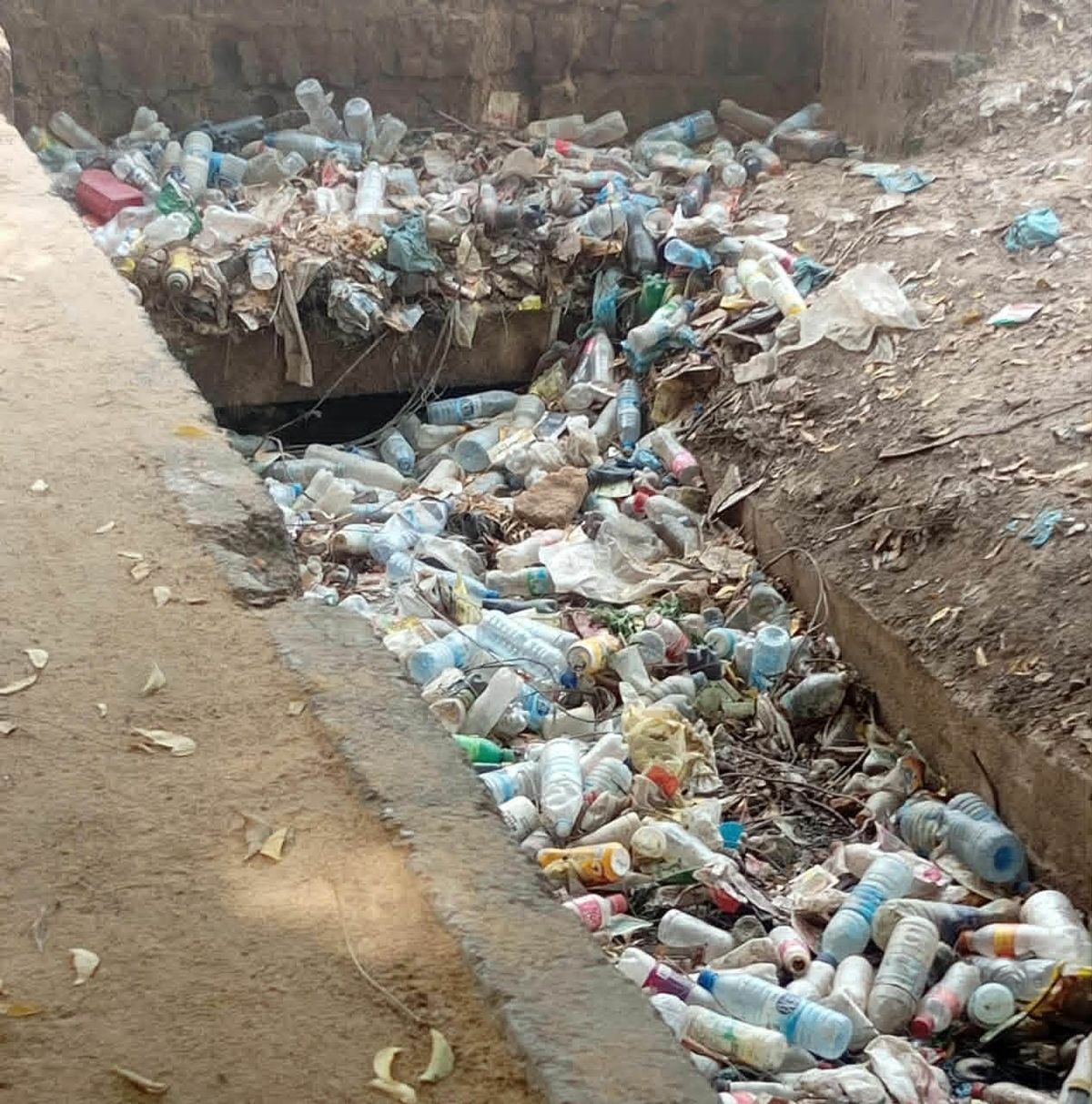
Every day, plastic bags, bottles, and packaging pile up across the streets, gutters, and wastelands of N’Djamena. While these materials provide convenience for consumers, they have become one of the capital’s most pressing environmental concerns. Recent observations indicate that N’Djamena alone generates approximately 20,000 tons of plastic waste annually, with the average resident discarding four to five plastic items daily.
Despite this staggering volume, only a fraction of these plastics is collected, and an even smaller portion is recycled. This gap highlights a critical question: why has plastic recycling struggled to gain momentum in Chad? The primary hurdle lies in the absence of an organized system for selective waste collection. In most neighborhoods, household waste is discarded indiscriminately—plastics, organic matter, metals, and glass all end up in the same dumps or scattered across public spaces.
This lack of source separation makes it nearly impossible to recover and reuse materials effectively. Compounding the issue is the severe shortage of specialized infrastructure. Chad currently operates very few facilities capable of processing plastic waste into reusable raw materials. The few existing initiatives are driven by private entrepreneurs or NGOs, but they often lack funding, modern equipment, and viable market outlets. Without a dedicated recycling industry, most plastic waste ends up in unregulated landfills or is burned openly, releasing toxic fumes that pose serious health risks.
The informal sector: a fragile lifeline
The informal sector plays a vital role in plastic recovery. Hundreds of women and youth rely on collecting bottles and other recyclable packaging for their livelihoods. Their efforts help mitigate some pollution, but their work remains unregulated, unprotected, and precarious. Despite their contributions, these workers are largely excluded from public waste management policies. The absence of a circular economy further stifles progress.
In other African nations, plastic waste has been transformed into economic value through the production of tiles, furniture, pipes, and construction materials. In Chad, however, this sector remains underdeveloped due to insufficient investment, technical support, and fiscal incentives for businesses venturing into recycling.
Public awareness and policy gaps
Public awareness about the environmental impact of plastic waste is also alarmingly low. During the rainy season, plastic bags clog drainage systems, worsening flooding in vulnerable neighborhoods. Wind carries discarded plastics into waterways, where they endanger wildlife and ecosystems. Plastics can take centuries to decompose, leaving a lasting environmental footprint.
Local authorities have launched cleanliness campaigns and called for greater civic responsibility, but these efforts are limited without a robust national strategy. An effective solution must include waste separation at the source, strengthened local governance, support for recycling enterprises, innovation promotion, and incentives for producers to reduce single-use packaging.
Technical and financial partners could play a pivotal role by fostering the growth of a sustainable recycling industry. Beyond environmental benefits, this sector presents a significant economic opportunity. It could generate thousands of jobs, boost local entrepreneurship, and create new revenue streams while enhancing public health and urban resilience.
A path forward for Chad’s recycling future
The challenges are substantial, but not insurmountable. Turning plastic waste into economic assets demands strong political will, strategic investments, and behavioral change. For Chad, recycling is no longer just an environmental issue—it is a public health imperative, an economic development lever, and a cornerstone of urban resilience. Until waste is viewed not as a burden but as a potential resource, the recycling sector will remain stunted.