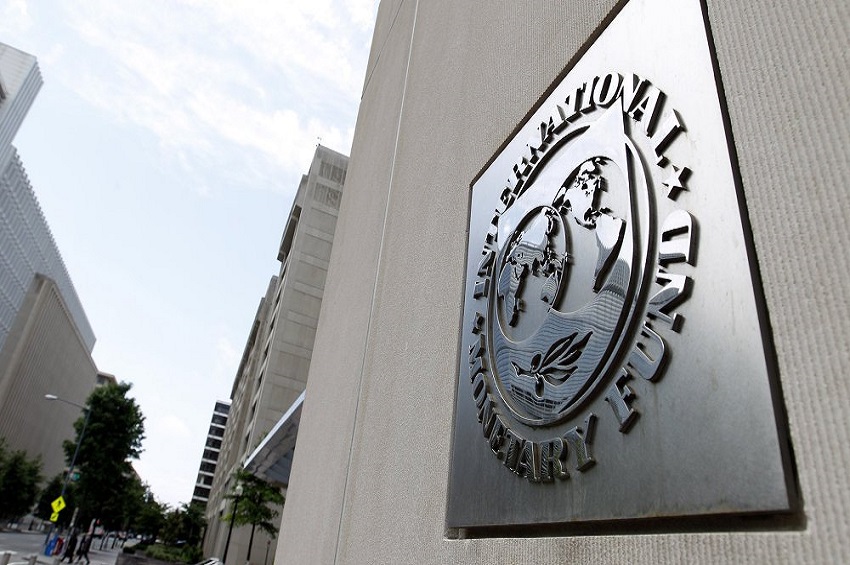
Libreville, June 4, 2026 — For months, whispers echoed through economic circles and diplomatic corridors about an imminent agreement between Gabon and the International Monetary Fund (IMF). Yet, despite repeated announcements, the deal remained unsigned. In a rare interview, President Brice Clotaire Oligui Nguema shed light on the real reasons behind this delay—a question far deeper than mere financial negotiations.
The crux of the matter? The true scale of Gabon’s public debt remains shrouded in uncertainty. While preliminary estimates suggested a debt of 7,500 billion CFA francs, a subsequent assessment pointed to nearly 8,000 billion. Such discrepancies raised red flags at the highest levels of government.
Transparency as the cornerstone of reform
President Oligui Nguema made a bold decision: no IMF agreement would be signed until a comprehensive audit of Gabon’s finances was completed. This unprecedented demand reflects a commitment to clarity that has long been absent in African economic governance. But it also raises a critical question: How can a nation rich in oil resources lack a precise, up-to-date picture of its debt?
The answer lies in decades of opaque financial practices. Years of off-budget spending, weak oversight, and inconsistent fiscal reporting have left Gabon’s economic landscape murky. The audit isn’t just a formality—it’s a necessity to rebuild trust with international partners and investors.
The IMF’s pragmatic response
Far from resisting this demand, the IMF recognized its validity. The institution agreed to postpone the finalization of a program until the audit’s completion—a decision rooted in pragmatism. The IMF, too, needs certainty before committing its resources. Gabon’s economic importance in the CEMAC region—its oil wealth, mineral resources, and financial stability—makes this verification phase all the more vital.
Discussions now revolve around more than just funding. Transparency in budgetary processes, governance reforms, and fiscal discipline are equally critical. An IMF program isn’t merely a financial lifeline; it’s a blueprint for structural change that will shape Gabon’s future economic trajectory.
A delayed agreement, but a step forward
The president’s announcement that a deal is now expected by the end of 2026 marks progress. Yet, the journey doesn’t end there. IMF programs often come with stringent conditions—spending cuts, tax reforms, improved revenue collection, and modernization of financial administration. These measures, while necessary, will have real-world consequences for Gabon’s citizens.
While the specifics of the agreement remain under negotiation, one thing is clear: Gabon is not just seeking funds. It’s aiming to restore its financial credibility after years of opacity. For international partners, the audit could signal the dawn of a new era—one built on transparency, accountability, and trust.
In the world of public finance, trust isn’t granted—it’s earned through hard numbers and uncompromising honesty. Gabon’s delay in signing with the IMF may have been frustrating, but it could ultimately be the price of securing a sustainable and transparent economic future.