Gabon tightens control over sacred iboga plant through new regulations
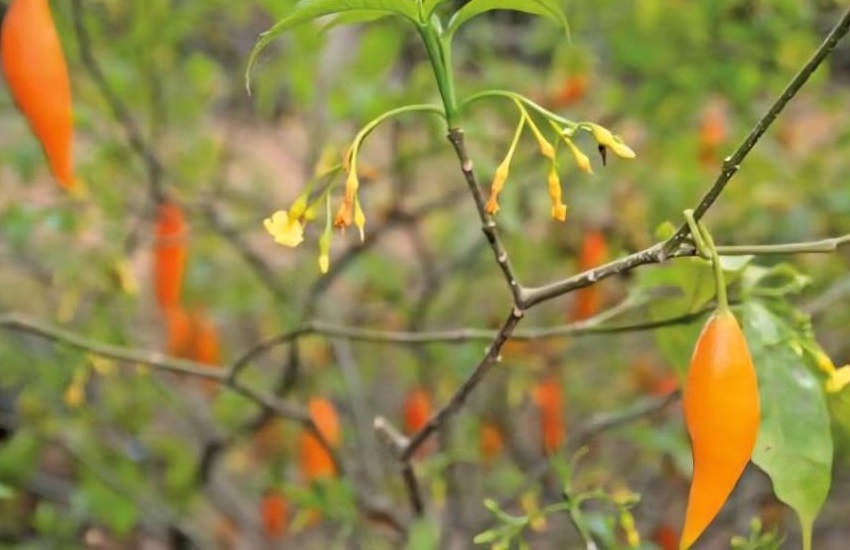
Libreville, June 10, 2026 – Gabon has taken a decisive step in protecting its sacred iboga plant by implementing strict regulations on its use and exploitation. This move places the country at the forefront of Africa’s battle to preserve cultural and biological heritage.
The new decree, signed on May 22, 2026, establishes that any activity involving the iboga plant or its derivatives—whether research, transformation, commercialization, or traditional knowledge—must now receive prior authorization from state authorities. This landmark decision reflects Gabon’s commitment to asserting sovereignty over a resource that has become increasingly valuable on the global stage.
A cultural treasure under international pressure
The iboga plant, long revered in Gabonese spiritual traditions, particularly within the Bwiti initiation rites, has gained global attention in recent years. Its primary alkaloid, ibogaine, is being studied for potential therapeutic applications in treating addictions and psychological disorders. This surge in international interest has raised concerns about uncontrolled exploitation and the risk of biopiracy.
The decree, designated as No. 0239/PR/MJSRCAVA, mandates that all operations related to iboga must be approved by the Ministry of Culture, following a review by an interministerial technical commission. This oversight extends to both local and foreign operators, ensuring that Gabon maintains full control over the plant’s future.
Balancing tradition and modernization
While the new regulations aim to protect iboga from exploitation, they also pose challenges. The plant is deeply embedded in Gabonese spiritual and healing practices, with countless practitioners across the country relying on it daily. In remote regions where state presence is limited, enforcing these rules may prove difficult without displacing traditional communities.
The government faces a delicate balancing act: ensuring strict compliance without marginalizing those who have safeguarded iboga for generations. Too rigid an approach could alienate local custodians, while too lenient a system might fail to curb unauthorized activities.
A strategic move for Gabon’s future
This regulatory shift aligns with Gabon’s broader economic strategy, which prioritizes local value addition and resource sovereignty. From timber to minerals and now iboga, the country is asserting control over its natural and cultural assets to maximize benefits for its people.
The success of this initiative will depend on effective implementation. If managed well, it could position Gabon as a leader in sustainable and ethical exploitation of its unique heritage. If poorly executed, it risks destabilizing the very traditions it seeks to protect.
One thing is clear: Iboga is no longer just a sacred plant—it is a symbol of Gabon’s determination to shape its own future. In taking this bold step, Libreville sends a powerful message: the era of unchecked exploitation of Africa’s resources is coming to an end.