Gabon revamps its legal framework with major legislative overhaul
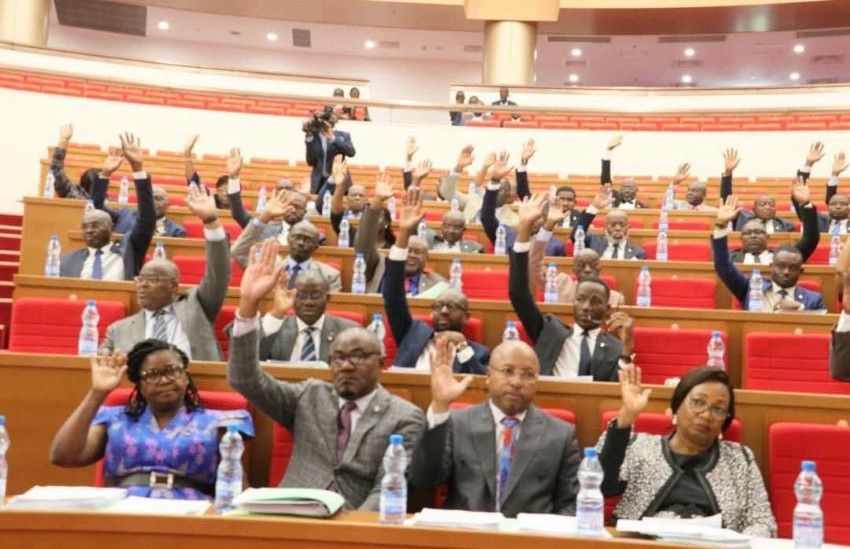
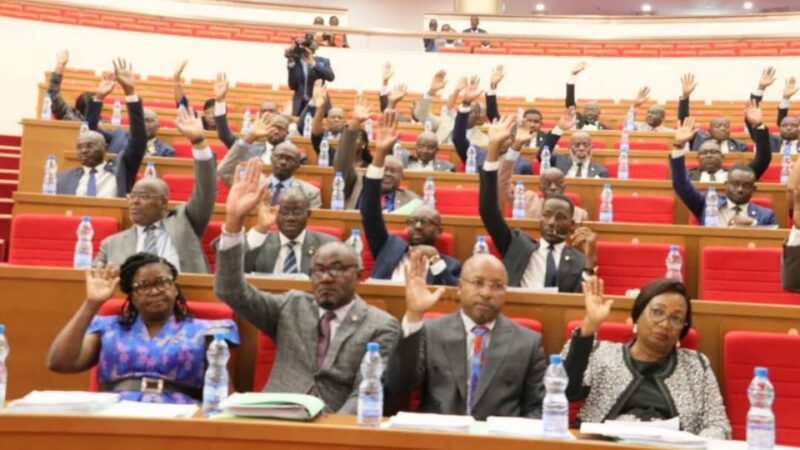
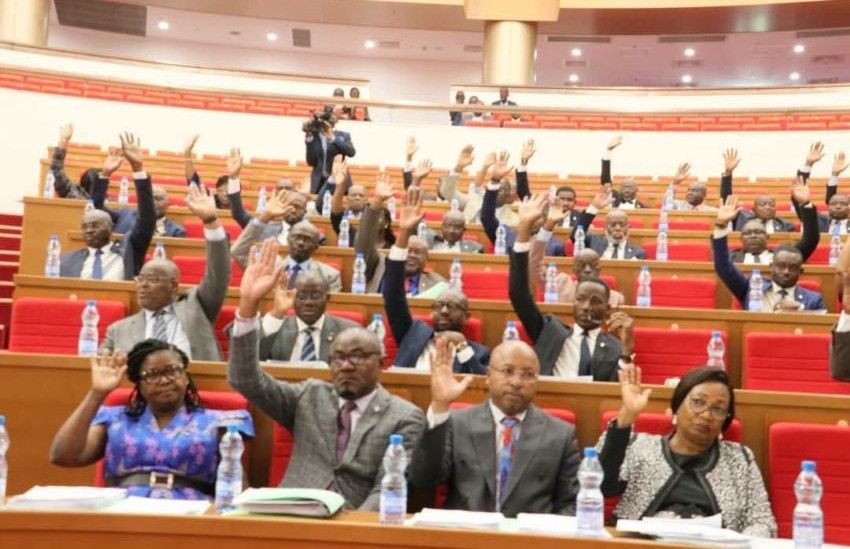
Libreville — In a decisive move for the nation’s institutional future, the National Assembly of Gabon has unanimously greenlit eighteen separate bills during a single plenary session. This massive legislative output serves as a clear signal of the country’s commitment to the structural transformation promised under the 5th Republic.
The new legal package addresses critical sectors including digital technology, national identity, land ownership, and media regulation. By modernizing these administrative and legal frameworks, Gabon aims to bolster its economic appeal and internal security through a more robust governance structure.
A comprehensive legislative package
Gathered at the Palais Léon-Mba and led by Michel Régis Onanga M. Ndiaye, lawmakers reviewed and passed every text submitted by the government. The sheer volume and variety of these reforms are noteworthy, as they simultaneously touch upon the most vital levers of public governance in Gabon.
Modernizing media and identity
Among the key updates is the reform of the High Authority of Communication (HAC). This body is now better equipped to oversee a media landscape transformed by digital platforms and the rapid flow of information. Additionally, the Assembly ratified a new Nationality Code, providing a modern legal tool to handle contemporary issues of identity and mobility within African politics.
Land ownership laws also received a significant update. In the context of emerging economies, securing property rights is a fundamental requirement for attracting investment, managing urban growth, and generating national wealth. This move is expected to provide greater clarity for both citizens and developers.
Strengthening the rule of law
The unanimous support for these texts reflects a shared institutional vision to reinforce the rule of law. There is a clear consensus between the government and the legislature on the urgency of aligning Gabon’s legal tools with current economic and technological challenges. This alignment is a cornerstone of modern governance in Africa.
This legislative push is also a matter of international competitiveness. Global investors prioritize regulatory stability and legal clarity. By updating its normative framework, Gabon is positioning itself as a more attractive destination in a global environment where institutional quality is a deciding factor for capital allocation.
The challenge of implementation
While this legislative session represents a major milestone, the focus now shifts toward execution. The effectiveness of these laws will depend on how efficiently administrations, courts, and economic stakeholders integrate them into daily practice. The true test of these reforms begins with their application on the ground.
As the current session nears its conclusion, eight additional bills are still being scrutinized by parliamentary committees. Their eventual passage will further solidify a legal structure that has already been significantly enhanced. This moment marks a new era for Gabon, where legal modernization serves as a primary engine for administrative and social development, reflecting a broader shift in society Africa.