Gabon-Ghana : African Diplomacy Takes a New Turn
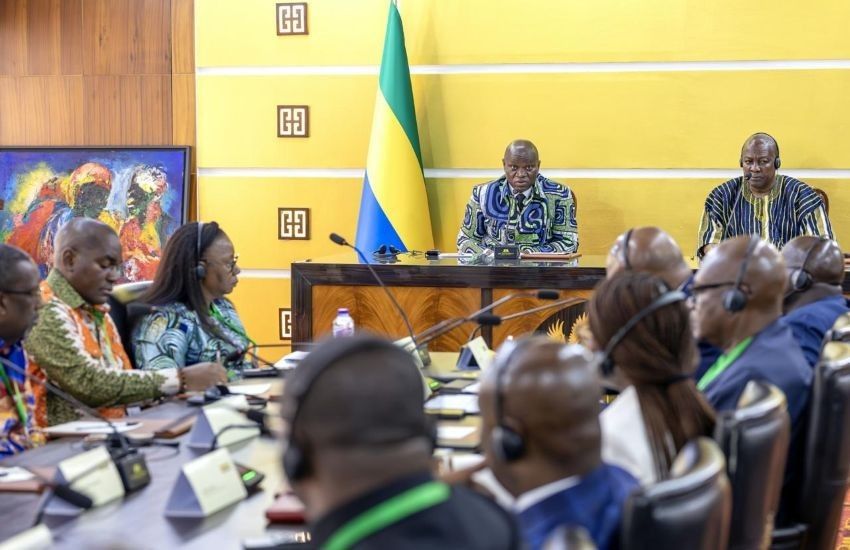
The Gabonese president, Brice Clotaire Oligui Nguema, has sent a strong signal by choosing Accra for his first major diplomatic sequence after being elected. This move marks a significant shift in the country’s approach to international relations.
As African economies seek to accelerate their integration, Libreville is opting for a more continental approach to diplomacy, with the goal of transforming political relations into growth drivers, investments, and industrialization.
The visit to Ghana illustrated this new orientation, where African cooperation becomes both an economic development tool and a strategic influence instrument.
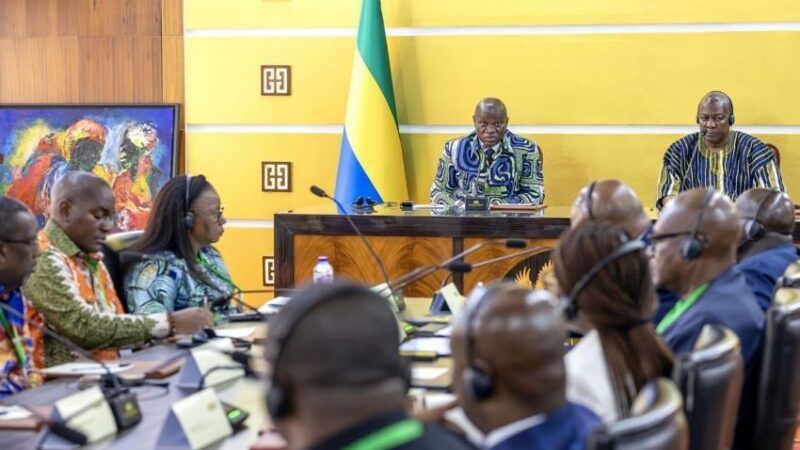
During his official visit to Accra, President Oligui Nguema met with his Ghanaian counterpart, John Dramani Mahama, to discuss the complementary economic relationship between the two countries. Both nations possess complementary strengths that can enhance each other’s economies.
The discussions led to the signing of two major agreements: one on reciprocal diplomatic training to strengthen institutional capacities and another establishing a permanent coordination mechanism for political positions in regional and international organizations.
This visit marks a significant evolution in African diplomacy. Long focused on traditional external partners, African states are now seeking to strengthen economic exchanges between themselves.
The Libreville-Accra rapprochement embodies this trend. Both capitals demonstrate their commitment to building partnerships based on shared interests rather than aid-oriented relationships.
This approach could contribute to consolidating intra-African trade, which remains significantly lower compared to other major regions worldwide.
The symbolic gesture of planting the tree of friendship at the end of the visit underscores the countries’ commitment to environmental protection, climate change mitigation, and sustainable development.
The success of this visit will depend on the implementation of the commitments made during the meeting. The agreements signed should translate into concrete projects, investments, educational exchanges, industrial collaborations, and business opportunities for both nations.
Furthermore, this visit signals a significant shift in African diplomacy, where states are increasingly recognizing the importance of economic cooperation to drive their development.
The Gabonese strategy now marks an inflection point. The country is moving away from traditional international partnerships and embracing regional alliances that can support its industrialization, innovation, and value creation.